Starting a new beehive can be an exciting yet challenging endeavor, and understanding how to effectively use an entrance reducer is crucial for fostering a thriving colony. An entrance reducer serves as a vital tool in beekeeping, designed to enhance the security and efficiency of the hive entrance. By carefully selecting and implementing the right entrance reducer, beekeepers can significantly improve the chances of a successful colony establishment.
Entrance reducers not only help regulate temperature but also assist in managing foraging activities during the critical early stages of a colony’s development. With various types available on the market, each offering unique benefits, choosing the appropriate reducer can make a substantial difference in the overall health and productivity of your bees.
Introduction to Entrance Reducers
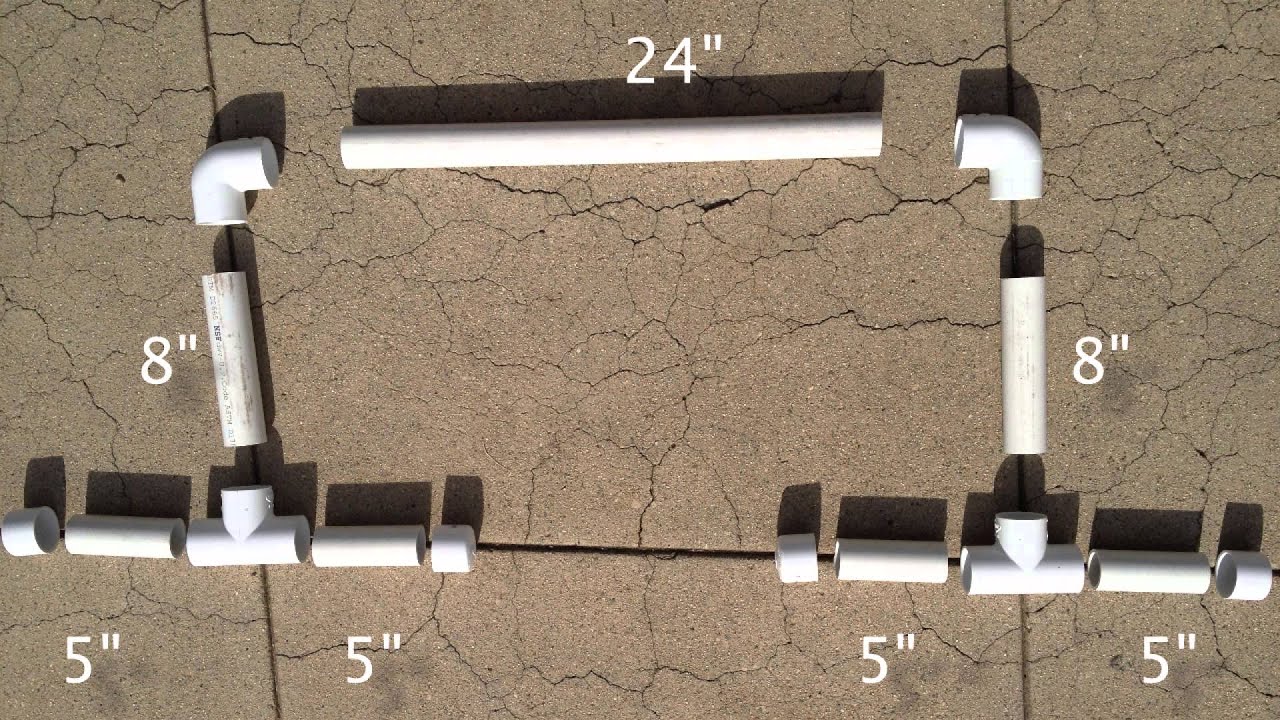
An entrance reducer is a beekeeping tool designed to control the size of the entrance to a hive. Its primary purpose is to aid bees in defending their colony, particularly in the early stages of establishing a new colony. By limiting access to the hive, entrance reducers help manage the flow of bees, making it easier for the colony to acclimatize and thrive in their new environment.The benefits of using an entrance reducer for a new colony are multifaceted.
Firstly, it enhances security by reducing the entrance size, which makes it more challenging for intruders, such as wasps and other pests, to invade the hive. Secondly, it helps regulate temperature and humidity within the hive, creating a more stable environment crucial for the development of the colony. Thirdly, it encourages the bees to organize better for foraging and returning to the hive, which is vital during their initial integration period.
Types of Entrance Reducers
Several types of entrance reducers are available on the market, each designed to meet specific needs in beekeeping. Understanding these options can help beekeepers choose the most suitable reducer for their colonies. Below are the common types of entrance reducers:
- Wooden Entrance Reducers: These are typically made from untreated wood and can be customized to fit various hive sizes. They are durable and provide a natural look that blends well with the hive’s aesthetics.
- Plastic Entrance Reducers: Lightweight and often adjustable, plastic entrance reducers are easy to install and clean. They are resistant to moisture and rotting, making them a practical choice for long-term use.
- Adjustable Entrance Reducers: This type allows beekeepers to modify the size of the entrance as the colony grows. They can be beneficial for new colonies needing gradual exposure to the outside environment.
- Entrance Screens: These are mesh-like barriers that allow bees to move in and out while preventing larger pests from entering. They can be particularly useful in areas with high pest populations.
The selection of an entrance reducer should consider the specific conditions of the hive’s location and the needs of the colony. For instance, in a region with high wasp activity, a robust and secure entrance reducer may be necessary to protect the bees. A well-chosen entrance reducer can significantly enhance the survivability and productivity of a new colony.
Importance of Entrance Reducers for New Colonies

Entrance reducers play a crucial role in the establishment and success of new bee colonies. By creating a controlled environment, they significantly enhance the security and thermal stability of the hive. The strategic use of entrance reducers facilitates the initial phases of colony development, ensuring that the bees can acclimate and thrive in their new habitat.The first essential aspect of entrance reducers is their contribution to colony security and temperature regulation.
A newly established colony is vulnerable to various threats, including predators and environmental fluctuations. By limiting the entrance size, entrance reducers help to fortify the hive against potential intruders, such as wasps and other pests. Moreover, reducing the entrance aids in maintaining a stable internal temperature. This is crucial during the early stages of colony establishment when bees are still building their population and need a consistent environment to thrive.
Management of Foraging Activities
Properly managing foraging activities during the early establishment of a colony is vital for ensuring the bees can efficiently gather resources. Entrance reducers serve as an effective tool for optimizing these activities. By constricting the entrance, they help regulate the flow of bees entering and exiting the hive, allowing the colony to maintain better control over foraging efforts. This controlled access has several advantages:
- Reduced Foraging Disarray: A smaller entrance prevents bees from becoming overwhelmed by foraging options, leading to more organized foraging activities.
- Enhanced Communication: With fewer bees entering and exiting, communication among the foragers becomes more streamlined, facilitating efficient resource gathering.
- Optimized Resource Utilization: The restricted entrance allows for better monitoring of external conditions, enabling bees to adapt their foraging strategies based on availability and environmental factors.
Prevention of Robbing
Robbing from other bees and pests poses a significant threat to new colonies, particularly during their establishment phase. Entrance reducers act as a deterrent against such threats by narrowing the entry point into the hive. This narrowing makes it challenging for robbing bees to access the colony’s resources, thereby safeguarding the new inhabitants. The effectiveness of entrance reducers in preventing robbing can be illustrated by the following points:
- Limited Access for Intruders: A smaller entrance decreases the chances of robbing bees overwhelming the colony’s defenses, allowing resident bees to better protect their resources.
- Strengthening Defense Mechanisms: With a reduced entrance, the colony can focus its defensive efforts on a smaller area, enhancing the bees’ ability to guard against intruders.
- Improved Resource Management: By restricting access, entrance reducers help the colony safeguard its foraged resources, ensuring the survival and continued growth of the new colony.
Selecting the Right Entrance Reducer
Choosing the appropriate entrance reducer for a new colony is crucial for the successful establishment and growth of the hive. An entrance reducer not only helps manage the entrance size for the bees but also provides protection against intruders and environmental conditions. Various designs and features should be considered to ensure compatibility with the specific needs of the colony and the type of hive being used.When selecting an entrance reducer, several key features need to be evaluated to determine the best fit for your new colony.
Key Features to Consider
Understanding the essential features of entrance reducers can greatly facilitate the decision-making process. Here are some critical factors to keep in mind:
- Size and Adjustability: The entrance reducer should allow for size adjustments to accommodate the colony as it grows. Some reducers have multiple openings or sliding mechanisms to modify the entrance size.
- Material Durability: The material of the entrance reducer affects its longevity. Options like plastic, metal, or wood each have their advantages, such as resistance to weather or ease of cleaning.
- Ease of Installation: Look for entrance reducers that can be easily installed and removed, as this will facilitate hive management activities.
- Ventilation Features: Some reducers include ventilation options to help maintain airflow within the hive, crucial for regulating humidity and temperature.
Comparison of Entrance Reducer Designs
There are various designs of entrance reducers, each with its own set of pros and cons. Evaluating these can help you make an informed decision based on the specific requirements of your colony.
| Design Type | Pros | Cons |
|---|---|---|
| Slotted Reducers | Easy to adjust; allows for gradual entry size change. | May not fit all hive styles perfectly; potential for debris blockage. |
| Fixed Block Reducers | Simple design; often more durable. | Limited adjustability; may require replacement as colony grows. |
| Sliding Reducers | Highly adjustable; user-friendly for quick modifications. | Potentially more complex design increases the risk of failure. |
Compatibility Considerations with Different Hive Types
Entrance reducers must also be compatible with the specific type of hive you are using. Various hive designs, such as Langstroth, Top Bar, and Warre, have different entrance configurations and sizes. It is essential to ensure that the reducer fits securely while allowing for proper functioning of the hive.
- Langstroth Hives: Most entrance reducers are designed for Langstroth hives, which typically have standardized entrance sizes.
- Top Bar Hives: These hives require specially designed reducers that accommodate the narrower entrances commonly found in top bar designs.
- Warre Hives: Ensure the entrance reducer is appropriately sized to maintain the Warre hive’s unique entrance shape while allowing adequate ventilation.
Ultimately, selecting the right entrance reducer involves a careful evaluation of the colony’s needs, the specific features of the reducer, and its compatibility with the hive type. This thoughtful approach will contribute to the colony’s health and productivity.
How to Install an Entrance Reducer
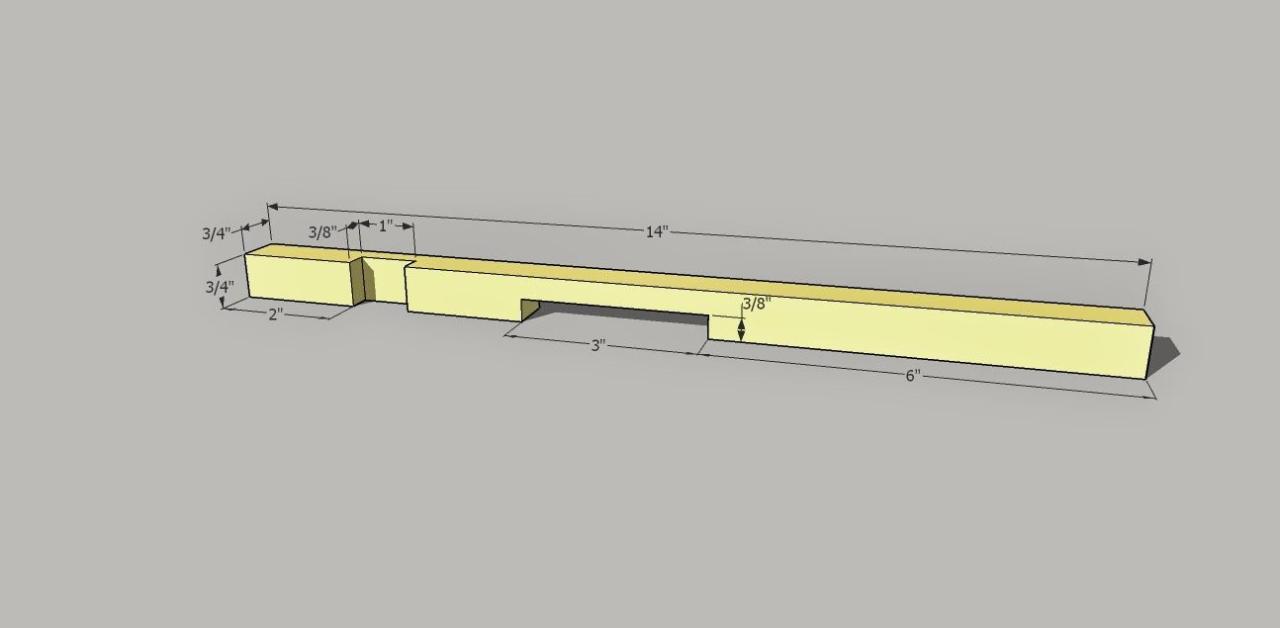
Installing an entrance reducer is a fundamental task for beekeepers managing new colonies. An entrance reducer serves to control the opening through which bees enter and exit their hive, facilitating better security and management. Proper installation ensures the hive environment is optimal for the colony’s growth and security, which is crucial during the early stages of establishment.The installation process is straightforward, but attention to detail is essential.
This section will Artikel the necessary steps to install an entrance reducer effectively, along with tips to ensure a secure fit and avoid common mistakes.
Step-by-Step Installation Process
The following steps detail the process for installing an entrance reducer in a new hive. Each step is designed to guide you through the installation while emphasizing key considerations for securing the reducer.
- Gather Your Materials: Before starting, ensure you have your entrance reducer, a hive tool, and any additional materials required for securing the reducer, such as small screws or adhesive if necessary.
- Prepare the Hive Entrance: Clean the area around the hive entrance to remove any debris or wax buildup. This ensures that the entrance reducer fits snugly without obstruction.
- Position the Entrance Reducer: Align the reducer with the entrance of the hive. Ensure that the narrow end of the reducer is facing outward, which allows bees to enter and exit easily.
- Secure the Reducer: Using a hive tool, gently press the reducer into place. If additional security is needed, use small screws or adhesive to ensure it remains fixed during strong winds or hive activity.
- Check the Fit: After installation, check that the reducer fits securely and does not shift easily. This will help prevent bees from escaping or predators from entering.
Tips for a Secure Fit and Avoiding Common Mistakes
To ensure that your entrance reducer is installed correctly and remains effective, consider the following tips. These will help minimize the risk of errors during installation.
- Inspect for Gaps: After installation, inspect for any gaps between the reducer and the hive. Gaps can allow pests to enter the hive, so ensure a tight fit.
- Choose the Right Size: Entrance reducers come in various sizes. Always select one that is appropriate for your specific hive model to avoid instability.
- Avoid Over-tightening: If using screws to secure the reducer, be cautious not to over-tighten them, as this can lead to cracks in the hive material.
- Regular Checks: Periodically check the entrance reducer for any signs of wear or shifting, especially after high winds or severe weather.
- Educate Others: If working in a shared apiary, educate fellow beekeepers on the importance of proper installation to promote a standard of care for all colonies.
Illustration of the Installation Process
To aid in understanding the installation process visually, imagine a simplified diagram where the following elements are clearly labeled:
- The hive structure, showing the entrance area.
- The entrance reducer in position, illustrating the narrow end facing outward.
- An arrow indicating the airflow direction for bees entering and exiting.
- Labels indicating areas to check for secure fitting and potential gaps.
- An inset showing tools such as a hive tool and screws used for installation.
This visual representation will assist in ensuring that all components are correctly positioned and that the installation process is clear.
Monitoring and Adjusting the Entrance Reducer
Monitoring bee activity after installing an entrance reducer is crucial for maintaining a healthy and thriving colony. The entrance reducer serves as a tool to manage the entrance size, providing protection against intruders and helping maintain optimal temperature and humidity levels within the hive. However, as the colony grows, it becomes essential to observe their behavior and adapt the reducer accordingly.Regular monitoring allows beekeepers to assess how effectively the entrance reducer is serving the colony’s needs.
One of the primary indicators is the activity level at the entrance. Observing the speed and volume of bees entering and exiting can provide insights into whether the entrance is adequately sized for the current population of the hive.
Adjusting or Removing the Entrance Reducer
As the colony expands, specific signs indicate the necessity to adjust or remove the entrance reducer. It is important to remain vigilant and responsive to these changes to ensure the bees can thrive. The following conditions may signal the need for modification:
- Increased Foraging Activity: When bees are frequently seen entering and exiting the hive in large numbers, this may indicate that the colony has reached a size where a larger entrance is necessary to accommodate their foraging efforts.
- Swarming Behavior: A colony preparing to swarm may exhibit heightened activity at the entrance. This behavior often necessitates a larger entrance to allow easy exit for the departing swarm.
- Increased Defensive Behavior: If bees appear more aggressive when defending the hive, the entrance may be too small, making them feel vulnerable. Adjusting the reducer can help alleviate their stress.
- Observation of Hive Temperature: If the internal temperature of the hive is consistently higher than optimal, it may be time to modify the entrance size to improve ventilation.
When adjusting or removing the entrance reducer, it is advisable to do so gradually. Sudden changes can cause confusion among the bees, potentially leading to disorganization or stress. A gradual enlargement of the entrance will allow the bees to adapt to the new configuration while maintaining their routine.
“Monitoring bee activity is not just about watching; it is about understanding their needs and responding accordingly.”
Troubleshooting Common Issues
When using an entrance reducer for a new bee colony, various challenges may arise that can affect the overall health and productivity of the hive. Understanding these common issues and knowing how to resolve them is essential for beekeepers aiming to create a nurturing environment for their bees. This section addresses common problems associated with entrance reducers and how to effectively troubleshoot them.
Bee Clustering and Congestion at the Entrance
Bee clustering and congestion at the entrance can occur when the entrance reducer is too small or when the colony is experiencing a surge in activity, such as during foraging time. This can lead to stress within the colony and hinder the bees’ ability to enter and exit the hive freely.To address this issue, consider the following solutions:
- Examine the size of the entrance reducer. If it limits movement too much, replace it with one that allows for a wider opening, especially during peak activity periods.
- Observe the colony’s behavior. If bees are frequently clustering, it may indicate that they are overcrowded inside the hive. Assess the hive’s space and consider adding additional supers or frames.
- Ensure that there are no obstructions outside the entrance. Debris, dead bees, or other barriers can contribute to congestion. Regular maintenance of the hive area is advisable.
Enhancing Airflow for Stressed Bees
If bees appear stressed, especially during hot weather or high humidity, enhancing airflow in the hive can be critical. Proper ventilation is essential for maintaining a conducive environment for the bees, as it helps to regulate temperature and humidity levels.Here are techniques to enhance airflow:
- Adjust the entrance reducer to allow more airflow if conditions seem cramped. This can be achieved by using a reducer that offers adjustable openings.
- Consider adding ventilation holes in the hive if they are not already present. These should be strategically placed to facilitate air movement without compromising security against predators.
- Monitor the hive’s location. If it is situated in a shaded area that doesn’t allow for adequate airflow, relocating it to a more open, breezy location may be beneficial.
Maintaining optimal airflow and reducing congestion are key factors in promoting the health and productivity of a bee colony.
Best Practices for Maintenance
Maintaining entrance reducers throughout the beekeeping season is essential for the health and productivity of a new colony. Regular maintenance ensures that the entrance reducer functions effectively, allowing for proper ventilation, minimizing pest invasion, and facilitating the easy movement of bees in and out of the hive.To ensure the longevity and effectiveness of entrance reducers, there are specific best practices that beekeepers should follow.
These practices include periodic cleaning, inspection, and adjustments to accommodate changing colony needs. Consistent maintenance can prevent disease transmission and promote a robust beekeeping environment.
Cleaning Protocols to Prevent Disease Transmission
Implementing effective cleaning protocols is crucial in preventing the spread of disease within the hive. Entrance reducers can harbor pathogens if not properly maintained. Regular cleaning can be performed using the following methods:
- Periodic Removal: Take out the entrance reducer every few weeks, especially during peak foraging seasons, to allow for thorough inspection and cleaning.
- Soapy Water Rinse: Use warm, soapy water to wash the entrance reducer, followed by rinsing with clean water to remove any residue.
- Disinfection: After cleaning, apply a food-safe disinfectant to eliminate any remaining pathogens. This step is especially important if signs of disease have been observed in the hive.
These cleaning practices not only maintain hygiene but also encourage a healthy environment for the colony.
Checklist for Regular Inspections of Entrance Reducers and Hive Health
Regular inspections of entrance reducers should be part of every beekeeper’s routine to ensure the ongoing health of the hive. Maintaining a checklist can help streamline this process and ensure no essential tasks are overlooked. Key items to include in the inspection checklist are:
- Visual Inspection: Check for physical damage or wear on the entrance reducer that may compromise its function.
- Pest Check: Look for signs of pests, such as ants or wax moths, at the entrance and ensure the reducer is preventing their access.
- Bee Activity: Monitor the level of bee activity at the entrance; reduced activity could indicate health issues within the colony.
- Cleaning Schedule: Review and adhere to a cleaning schedule to maintain hygiene standards regularly.
- Adjustment Needs: Assess whether the entrance size needs adjustment based on the colony’s population and seasonal changes.
Keeping a detailed checklist not only fosters better hive management but also enhances the overall health and productivity of the bee colony.
Final Conclusion
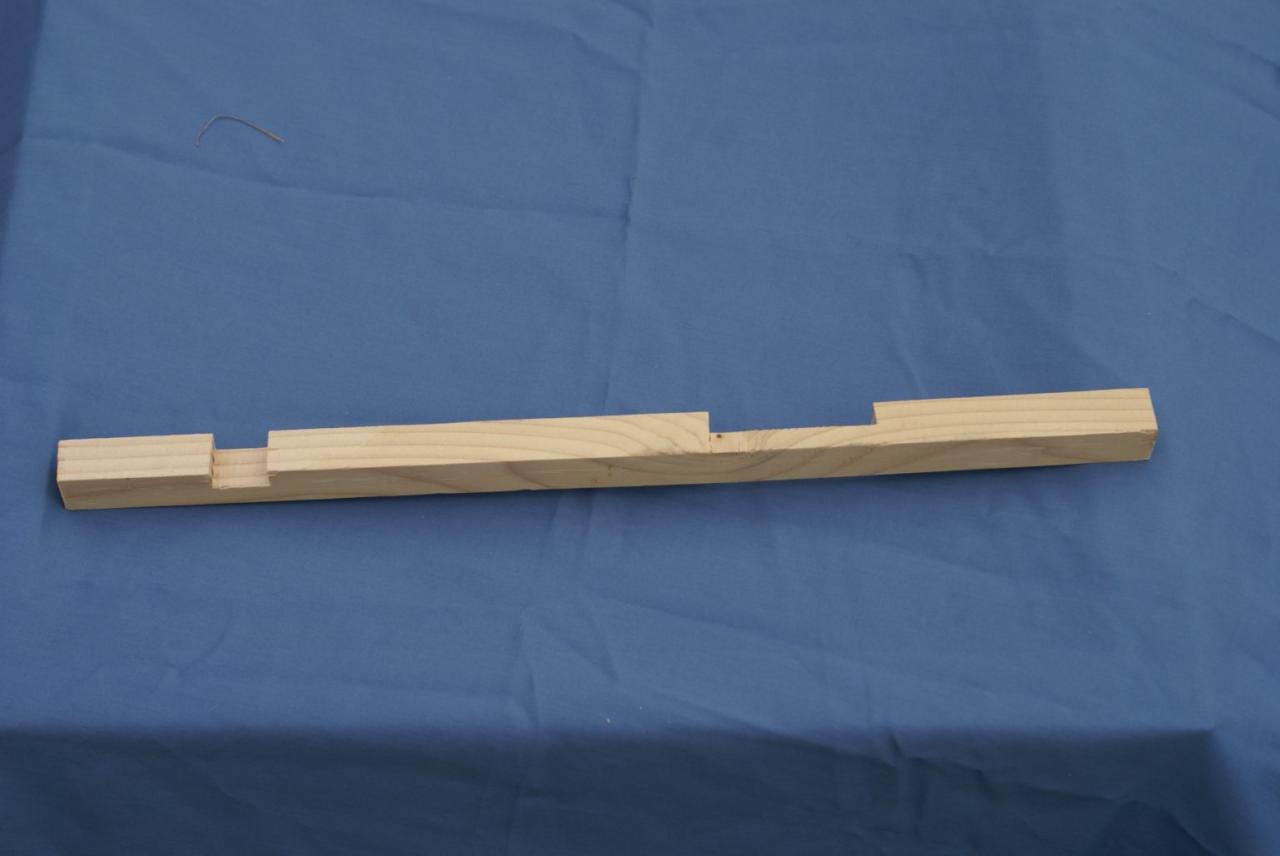
In conclusion, using an entrance reducer is a fundamental practice for any beekeeper aiming to establish a robust new colony. By ensuring the right fit, monitoring bee activity, and maintaining best practices, you can safeguard your hive against potential threats and optimize your bees’ foraging efforts. With thoughtful implementation and regular adjustments, an entrance reducer can play a significant role in nurturing your bees to thrive.