Delving into How to Spot and Deal with Varroa Mites, this discussion addresses a critical concern for beekeepers striving to maintain healthy and productive colonies. Varroa mites pose a significant threat to bee populations, impacting not only their well-being but also the honey production industry at large. Understanding their life cycle, symptoms of infestation, and effective monitoring techniques is essential for the prevention and management of these pests.
This article offers comprehensive insights into identifying Varroa mites, monitoring their levels, and exploring various treatment options. Through integrated pest management strategies and preventive techniques, beekeepers can safeguard their hives against these detrimental parasites, ensuring the vitality of their bee colonies and the quality of honey produced.
Introduction to Varroa Mites
Varroa mites (Varroa destructor) are external parasites that significantly impact honeybee populations worldwide. Their presence poses a serious threat to the health and productivity of bee colonies, making it essential for beekeepers to understand their biology and effects. Effective management of these mites is crucial for maintaining healthy hives and ensuring sustainable beekeeping practices.The life cycle of Varroa mites is intricately linked to that of honeybees.
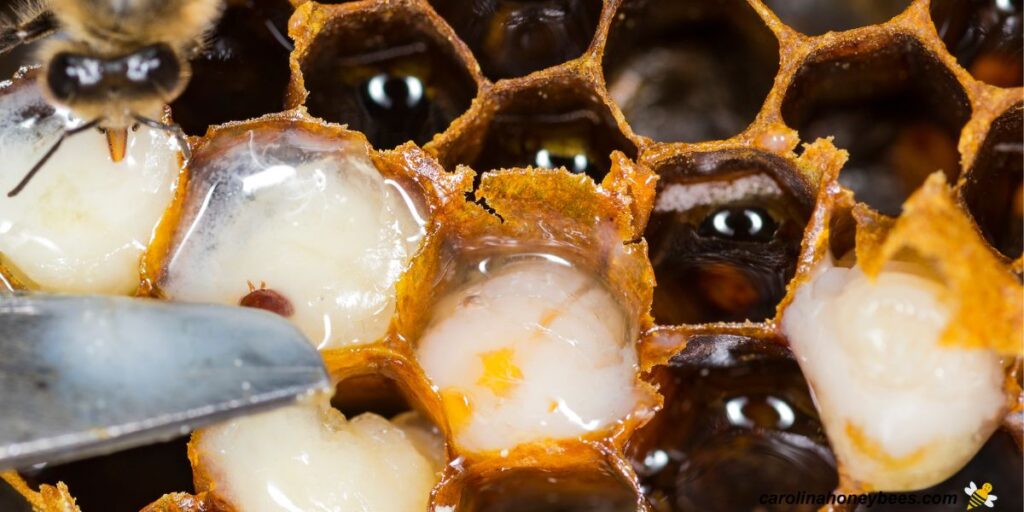
Adult female mites attach themselves to bees, typically in the brood cells, where they feed on the bee’s bodily fluids. After mating, a female mite enters a brood cell just before it is capped, laying up to five eggs inside. The eggs hatch into larvae, which develop through several stages, feeding on the developing bee. This process not only weakens the individual bees but also has broader implications for the entire colony, as the mite can reproduce rapidly and increase in population if left unchecked.
Symptoms of Varroa Infestation in Hives
Recognizing the signs of a Varroa infestation is imperative for beekeepers to take timely action. Infestations can lead to various symptoms, which include:
- Deformed Wing Virus: Bees infected with this virus often exhibit deformities, such as crumpled or stunted wings, which hinder their ability to fly and perform foraging tasks.
- Weakened Bee Population: A noticeable decline in adult bees can occur, as mites weaken individual bees and contribute to higher mortality rates, jeopardizing the overall colony health.
- Unusual Behavior: Infected bees may display erratic flight patterns and reduced foraging activity, making them less efficient in gathering resources.
- Dead Brood: An increase in uncapped brood or evidence of dead larvae in the hive can indicate a high mite population affecting brood development.
Monitoring for these symptoms regularly can aid in early detection and intervention, thereby enhancing the chances of mitigating the detrimental effects of Varroa mites on bee colonies.
Identifying Varroa Mites
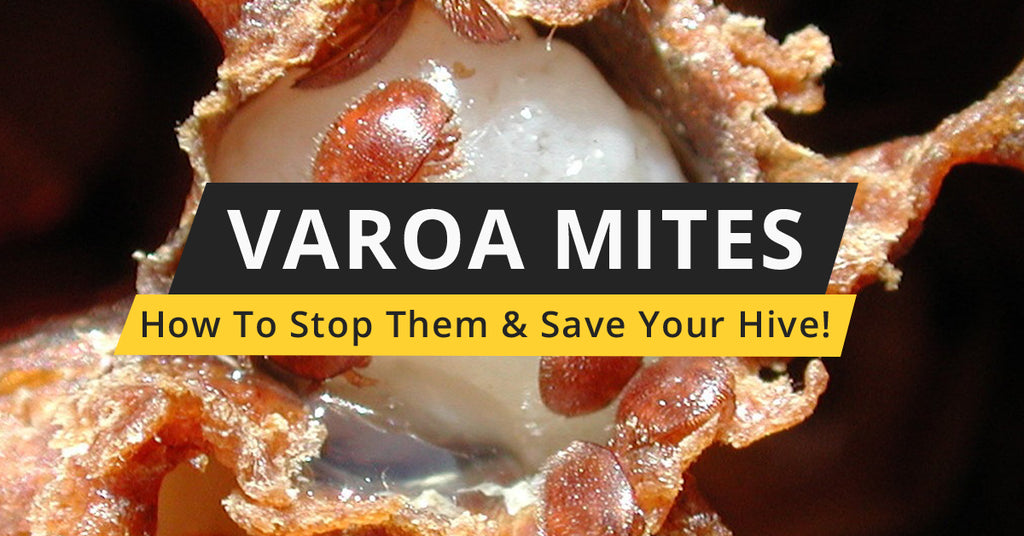
Identifying Varroa mites is crucial for beekeepers to maintain healthy bee colonies. These parasitic mites can significantly impact the vitality of hives, leading to decreased honey production and overall colony health. Early detection and effective management are key elements in combating Varroa infestations.To successfully identify Varroa mites, it is important to be familiar with their physical characteristics and the signs of infestation they leave behind.
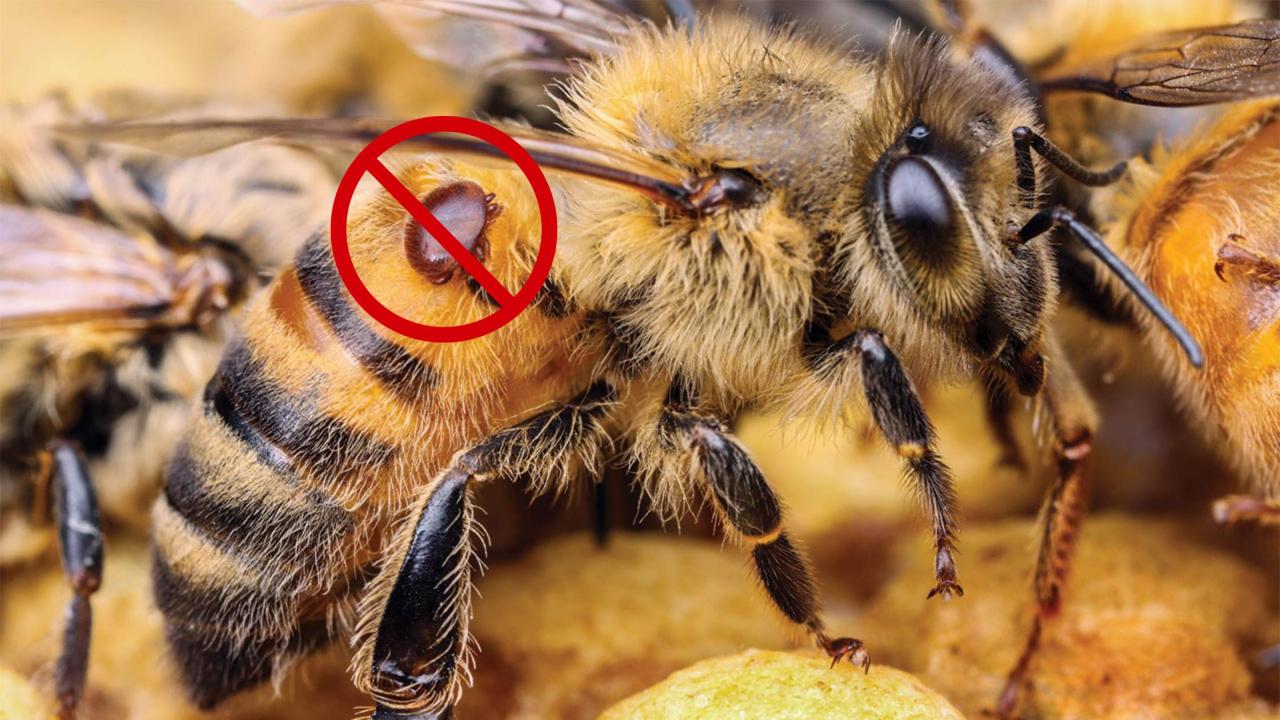
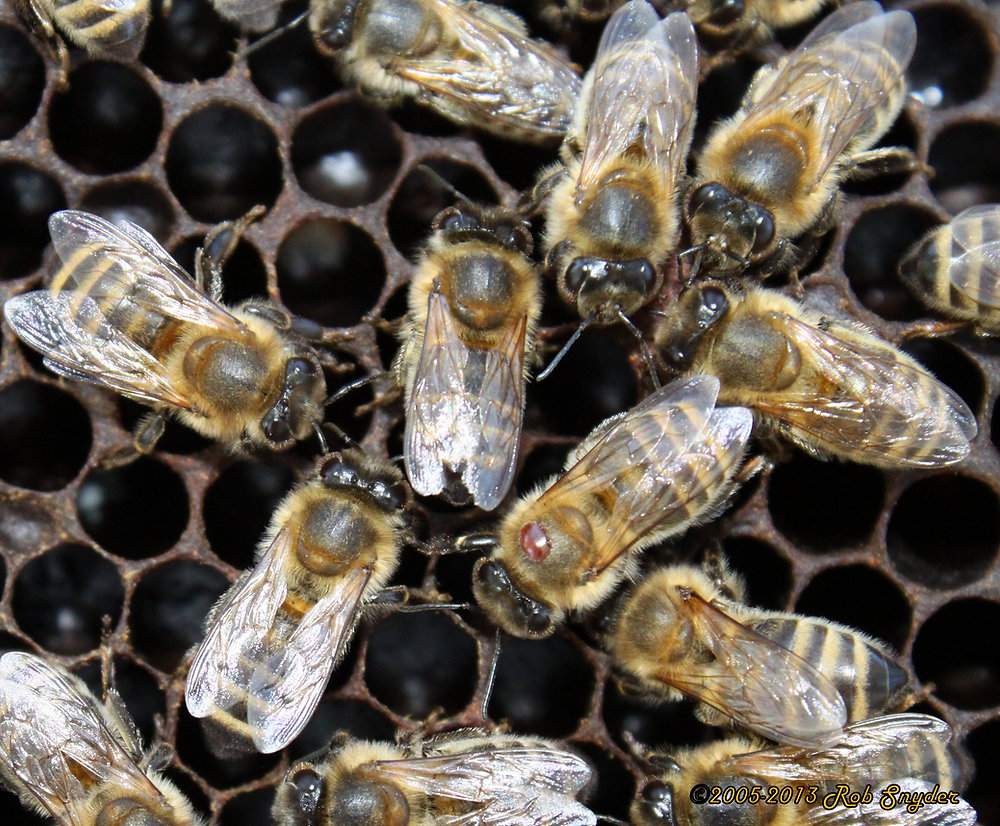
Varroa mites are small, usually measuring about 1.5 mm in diameter, and have a reddish-brown color that makes them relatively easy to spot on bees and within hives when observed carefully.
Techniques for Spotting Varroa Mites
Several techniques can help beekeepers effectively spot Varroa mites on bees and in the hive environment.
- Visual Inspection: Examine adult bees for the presence of mites, particularly on the thorax and abdomen. Look for small, reddish-brown dots, which may be the mites themselves.
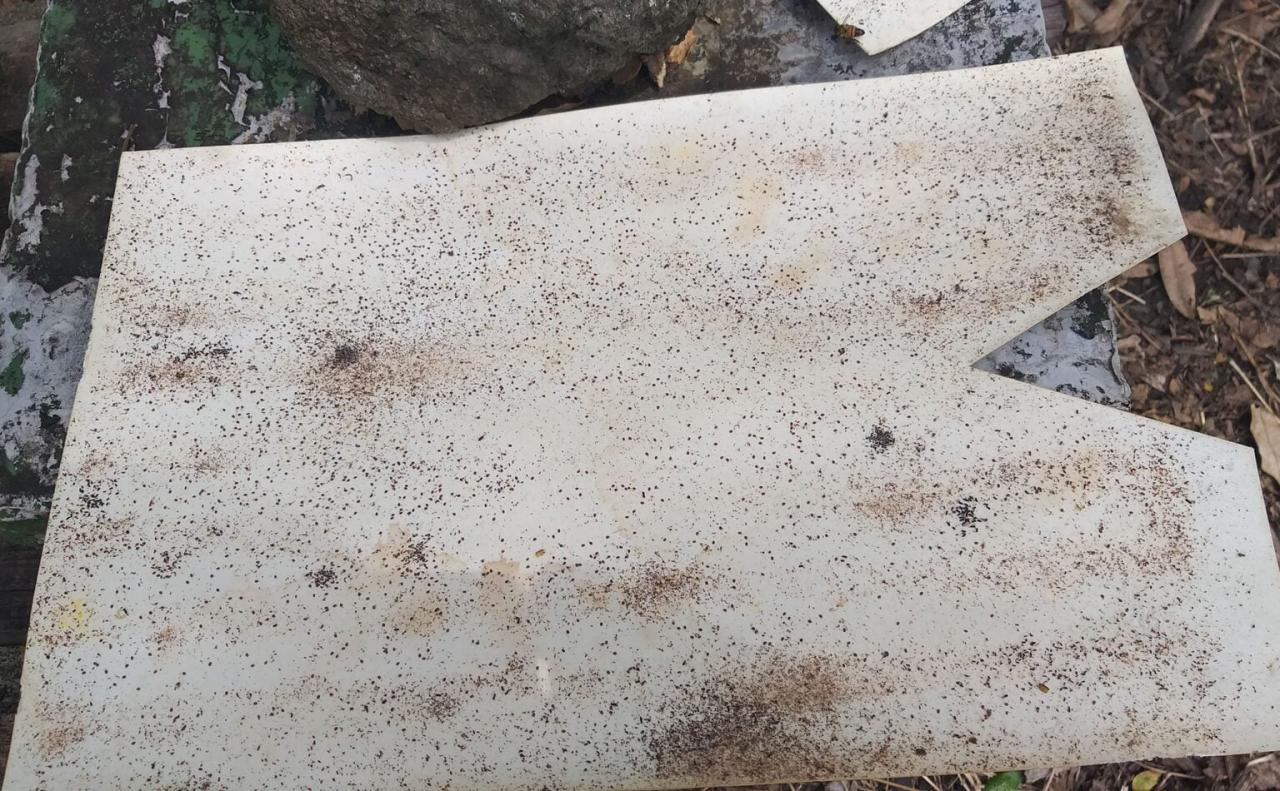
- Sticky Boards: Place sticky boards at the bottom of the hive. Over a period of time, these boards capture fallen mites, allowing for easy counting and assessment of infestation levels.
- Alcohol Wash: This method involves collecting a sample of adult bees (about 300 bees) and agitating them in alcohol. The mites will detach from the bees and can be counted in the liquid to determine infestation rates.
- Drone Brood Removal: Since Varroa mites prefer drone brood for reproduction, removing drone comb can help reduce mite populations. Inspecting this brood can also provide evidence of infestation.
Signs Indicating a Varroa Infestation
Understanding the signs of a Varroa infestation is essential for timely intervention. Several symptoms can indicate the presence of these mites within colonies.
- Reduced Brood Production: A decline in brood production may signal a Varroa problem, as the mites negatively affect the health of developing bees.
- Abnormal Bee Behavior: Adult bees may exhibit disorientation, reduced grooming behavior, and overall lethargy when infested by Varroa mites.
- High Adult Bee Mortality: An increase in the number of dead bees around the hive or within it could indicate a severe infestation impacting bee health.
- Deformed Wing Virus: Bees infected with this virus often display crumpled and malformed wings, which is commonly associated with Varroa mite infestations.
- Presence of Mites on Bees: Spotting mites on the bees during hive inspections is a direct indication of infestation.
Using Tools and Equipment to Detect Varroa Mites
Employing specific tools and equipment can enhance the detection of Varroa mites, ensuring accurate monitoring and management of potential infestations.
- Varroa Mite Monitoring Kits: These kits typically include tools like sticky boards, sampling jars, and measuring equipment, allowing beekeepers to conduct thorough assessments.
- Digital Microscopes: Using a digital microscope can help magnify the mites for precise identification and counting, facilitating a better understanding of infestation levels.
- Hive Scale: Monitoring hive weight through scales can provide indirect evidence of colony health. A sudden change in weight might indicate issues, prompting further investigation for Varroa mites.
- Thermal Imaging Cameras: While more advanced, these cameras can detect temperature differentials in hives, which may indicate stress from Varroa infestations and other health issues.
“Regular monitoring and timely intervention are essential for managing Varroa mite populations to ensure the health and productivity of bee colonies.”
Monitoring Varroa Levels
Regular monitoring of Varroa mite populations is a crucial aspect of successful beekeeping. An accurate assessment of Varroa levels allows beekeepers to make informed decisions regarding treatment options and hive management. By implementing effective monitoring practices, beekeepers can help maintain healthy bee colonies and prevent the detrimental effects associated with high mite infestations.One widely used method for assessing Varroa populations is the Varroa mite drop test.
This technique enables beekeepers to quantify the number of mites present in their hives, facilitating timely intervention if necessary. Understanding how to conduct this test properly and interpret its results is vital for the ongoing health of the bee colony.
Varroa Mite Drop Test Procedure
The Varroa mite drop test is a straightforward method for monitoring mite levels in a bee colony. Below is a systematic approach for performing this test:
1. Select the Hive
Choose a healthy hive to monitor. Ideally, the hive should have been free from treatment for at least 2 weeks prior to testing to obtain accurate results.
2. Prepare Equipment
Gather the necessary equipment, including a bee escape board (or a similar device), a collecting container (such as a jar or bucket), and a measuring tool (a cup or scale).
3. Insert Bee Escape Board
Place the bee escape board on top of the brood chamber for at least 24 hours. This will allow the nurse bees to exit while trapping the Varroa mites that fall off the adult bees.
4. Collect the Mites
After the designated time, remove the bee escape board and collect the fallen mites from the collecting container. Count the number of mites collected.
5. Calculate Mite Levels
To analyze mite levels, divide the number of mites collected by the number of bees present in the hive. A common practice is to count the bees on the bottom board or use a standardized sample size of 300 bees.
6. Assess Results
Based on the calculated ratio of mites to bees, assess the infestation level. Generally, a threshold of 3-5 mites per 100 bees is considered a level at which treatment may be necessary.
Interpreting Results from Monitoring Methods
Understanding the results of monitoring methods is essential for effective mite management. The interpretation can vary based on the method employed, but some general guidelines can be applied:
- For the Varroa mite drop test, low counts (below 3 mites per 100 bees) indicate a manageable infestation, while counts above this threshold suggest that intervention may be required.
- Other monitoring methods, such as sugar roll tests and alcohol wash tests, provide additional insights into mite populations. A sugar roll test involves shaking a sample of bees with powdered sugar, allowing mites to dislodge and fall, which can then be counted. An alcohol wash involves submerging bees in alcohol to kill them, allowing for easier counting of mites.
- Consistent monitoring over time is crucial. A sudden increase in mite levels can signal the need for immediate action.
- Beekeepers should also consider seasonal factors when interpreting data, as mite populations can fluctuate throughout the year. For example, mite counts may rise in late summer and early fall as bees prepare for winter.
Effective monitoring of Varroa levels not only aids in managing infestations but also contributes to the long-term health and productivity of bee colonies.
Treatment Options for Varroa Mites
The management of Varroa mites is crucial for maintaining healthy honeybee colonies. Various treatment options exist, each with its own advantages and disadvantages. Understanding these options will enable beekeepers to make informed decisions tailored to their specific situations.
Chemical Treatment Methods
Chemical treatments are widely used for controlling Varroa mite populations, primarily due to their effectiveness and rapid action. Some common chemical agents include pyrethroids, organophosphates, and formic acid. Each chemical treatment has different application processes and safety considerations.
- Pyrethroids: These synthetic chemicals function by disrupting the nervous system of the mites. They are typically applied as a strip or vapor formulation. Treatment should be conducted during cooler months to prevent harm to bees.
- Formic Acid: This organic acid penetrates the mite’s exoskeleton and is lethal upon contact. It can be administered using pads or as a liquid spray. Caution is necessary, as high temperatures can increase the volatility of formic acid, which can be harmful to bees if not carefully monitored.
- Oxalic Acid: This is another organic option used in the form of vaporization or dribble application. It is most effective when applied in the absence of brood, making late fall or early winter the ideal times for use.
Organic Treatment Methods
Organic treatments are increasingly favored for their environmental safety and lower risk to bees. These methods may take longer to show results but are often preferred for sustainable beekeeping practices.
- Essential Oils: Compounds like thymol and wintergreen oil can disrupt the mite’s metabolism. Application typically involves mixing the oils with sugar syrup and distributing it within the hive. Regular monitoring is essential to evaluate efficacy.
- Biological Controls: Introducing predatory mites, like
-Amblyseius*, can help manage Varroa populations naturally. This method requires careful monitoring to ensure that the introduced species do not adversely affect the bee colony.
Application Processes for Treatments
Proper application of treatments is critical to their success. The following Artikels general procedures for both chemical and organic options:
- Preparation: Always read the product label and prepare the treatment according to the manufacturer’s instructions. Ensure all safety equipment is in place.
- Timing: Most treatments are best applied in early spring or late fall when bee activity is slightly reduced. Avoid treatment during peak foraging times to minimize exposure.
- Monitoring: After application, regularly check mite levels to assess treatment effectiveness. Adjust future treatments based on these findings.
Treatment Schedule and Precautions
Establishing a treatment schedule is vital for effective Varroa mite management. A typical annual schedule may include:
- Early Spring: Monitor mite levels, apply oxalic acid if necessary.
- Mid-Summer: Evaluate treatment effectiveness; if mite levels are high, consider using pyrethroids.
- Fall: Implement any needed treatments prior to winter; assess and prepare the hive for cold months.
Precautions during treatment should never be overlooked. Protective gear should be worn, and all treatments should be used in accordance with safety guidelines to minimize risks to both bees and humans. Always be aware of environmental factors, such as temperature and humidity, as these can significantly affect treatment outcomes.
Integrated Pest Management (IPM) Strategies
Integrated Pest Management (IPM) is a holistic approach to pest control that emphasizes the integration of various management strategies to minimize the impact of pests, including Varroa mites, on bee colonies. This method seeks to balance effective pest control with the preservation of beneficial organisms, reducing reliance on chemical treatments and promoting sustainable beekeeping practices.IPM involves continuous monitoring, identification, and management of pest populations using a combination of biological, cultural, physical, and chemical methods.
This strategy not only aims to control Varroa mite populations but also focuses on maintaining the overall health of bee colonies. The following are key tactics that beekeepers can implement as part of their IPM strategies for managing Varroa mites effectively.
Comprehensive IPM Tactics for Varroa Mites
Implementing a variety of IPM tactics can significantly enhance control over Varroa mite populations. The following is a list of effective methods:
- Regular Monitoring: Consistently check for Varroa mites by using alcohol washes, sugar shakes, or sticky boards to track infestation levels.
- Genetic Resistance: Consider using mite-resistant bee strains, such as Italian or Carniolan bees, which exhibit natural resistance to Varroa mites.
- Cultural Practices: Maintain strong hive conditions by ensuring proper nutrition, minimizing stress, and encouraging hygienic behavior among bees.
- Drone Comb Removal: Regularly remove drone combs, as Varroa mites prefer to reproduce in drone cells, thereby reducing the mite population.
- Physical Controls: Use screened bottom boards and powdered sugar dusting to dislodge and reduce mite populations physically.
- Biological Controls: Introduce natural predators or parasites that target Varroa mites, such as specific fungi or predatory mites, to help manage their numbers.
- Chemical Treatments: Apply miticides judiciously, rotating products to prevent resistance development, while considering their potential impacts on bee health.
Combining these strategies can lead to more effective Varroa mite control. For instance, using regular monitoring practices allows beekeepers to make informed decisions about when and what treatments to apply, ensuring that chemical treatments are only used when necessary. Additionally, integrating cultural practices with biological controls can create a resilient hive environment, making it more challenging for mites to thrive.
Utilizing a combination of genetic resistance, drone comb removal, and periodic physical controls helps to disrupt the reproductive cycle of Varroa mites, reducing their population in a sustainable manner. By adopting these diverse tactics, beekeepers can ensure the long-term health of their colonies while efficiently managing Varroa mite infestations.
Prevention Techniques
Maintaining healthy bee colonies is paramount in preventing Varroa mite infestations. By implementing effective management practices, beekeepers can enhance the resilience of their hives against these pests. This section discusses various prevention techniques that promote the well-being of bee populations while addressing the critical role genetics plays in breeding Varroa-resistant strains.Genetics plays a crucial role in developing bee strains that exhibit natural resistance to Varroa mites.
Breeding programs focused on selecting for traits such as hygienic behavior, grooming behavior, and increased reproductive resistance can yield bee populations that are less susceptible to mite infestations. These traits allow bees to detect and remove infested brood more efficiently, thereby reducing the overall mite load in the colony.
Best Practices for Hive Management
Effective hive management practices are essential in preventing Varroa issues. The following list Artikels key strategies that beekeepers can adopt to maintain healthy colonies:
- Regular Inspections: Conduct frequent hive inspections to monitor bee health and detect early signs of Varroa infestation. Look for abnormal brood patterns, bee behavior changes, and the presence of mites on adult bees.
- Strong Colonies: Maintain strong, populous colonies that can better tolerate pest pressures. This can be achieved by ensuring adequate food supplies, proper ventilation, and avoiding overharvesting honey.
- Drone Brood Management: Encourage drone brood production as Varroa mites have a preference for infesting drone larvae. By managing drone brood, beekeepers can remove infested drones before they emerge.
- Hygienic Behavior: Select and breed bees displaying hygienic behavior, which includes the ability to detect and remove diseased or infested brood.
- Location Considerations: Place hives in locations with good airflow and sunlight to reduce humidity and discourage mite proliferation. Avoid placing hives near other infested colonies.
- Varroa Monitoring: Utilize monitoring techniques such as sticky boards or sugar roll tests to keep track of mite levels and adjust management practices accordingly.
- Swarm Management: Manage swarming behavior to prevent the overcrowding of colonies, which can lead to increased stress and susceptibility to infestations.
Implementing these best practices will not only aid in reducing Varroa mite infestations but will also contribute to the overall health and productivity of bee colonies, ensuring their long-term sustainability.
Impact of Varroa Mites on Honey Production
Varroa mites pose a significant threat to honey production, impacting both the quantity and quality of honey harvested by beekeepers. These parasites not only weaken bee colonies but can also lead to substantial economic losses for those involved in beekeeping. Understanding the intricacies of how Varroa infestations affect honey yields is crucial for implementing effective control measures.The presence of Varroa mites in a beehive can lead to a marked decline in honey production.
Infestations can reduce the overall strength of bee colonies, ultimately resulting in fewer foraging bees and lower honey output. Additionally, honey quality may suffer due to stressed bees producing lower-quality nectar and pollen. The following points Artikel the key ways in which Varroa mites impact honey production:
Effects on Honey Yield and Quality
The relationship between Varroa infestations and honey production is multifaceted. The negative effects can manifest in several ways, including:
Reduced Colony Health
Varroa mites weaken bee colonies by feeding on their bodily fluids, which can lead to decreased reproductive capabilities and overall mortality.
Lower Honey Yield
As bee populations dwindle due to mite infestations, the number of bees available for foraging and honey production decreases, resulting in lower yields during harvest time.
Diminished Honey Quality
Stressed bees may produce honey with higher levels of contaminants, impacting flavor and marketability.
Increased Disease Susceptibility
Varroa mites can spread various pathogens, which can further impair the health of the colony and diminish productivity.The economic implications for beekeepers grappling with Varroa challenges are significant. Losses due to decreased honey yield can lead to financial strain for many producers, especially those relying heavily on honey sales for their livelihood. The costs associated with mite treatment and the potential need for requeening colonies can exacerbate these financial burdens.
Case Studies on Varroa Control and Honey Production
Several case studies illustrate the profound impact of effective Varroa control on honey production. For example, a study conducted by researchers at the University of Georgia demonstrated that beekeepers who implemented Integrated Pest Management (IPM) strategies saw a remarkable increase in honey yield. After introducing regular monitoring and timely treatments for Varroa, honey production increased by over 50% compared to untreated hives.Another case study from the Midwestern United States highlighted how the adoption of drone comb removal strategies led to healthier colonies with improved honey production rates.
Beekeepers who engaged in systematic Varroa control reported not only enhanced honey yields but also better overall colony health, which is critical for sustainable beekeeping practices.In summary, the impact of Varroa mites on honey production is a critical concern for beekeepers. Effective management strategies not only help mitigate these impacts but can also lead to improved honey yield and quality, showcasing the importance of proactive measures in maintaining healthy bee populations.
Resources for Beekeepers
The management of Varroa mites is a crucial aspect of beekeeping that requires ongoing education and support. Several organizations and resources are dedicated to helping beekeepers effectively deal with this pervasive pest. Access to reliable information and local expertise is essential for maintaining healthy bee populations and maximizing honey production.
Organizations and Websites for Support
A variety of organizations and websites provide valuable resources for beekeepers facing challenges with Varroa mites. These platforms offer guidance, research findings, and community support.
- American Beekeeping Federation (ABF)
-This national organization promotes the beekeeping industry and provides resources, including information on pest management. - Bee Informed Partnership
-A collaborative program that collects data on honey bee health and provides educational resources for beekeepers. - University of Florida Honey Bee Research and Extension Lab
-Offers extensive research materials and guidelines on managing Varroa mites effectively. - National Beekeeping Association (NBA)
-A supportive organization that provides information on various aspects of beekeeping, including pest management. - Honey Bee Health Coalition
-Focuses on improving bee health through collaborative efforts and provides tools and information on Varroa management.
Recommended Readings and Research Papers
Staying informed through literature is vital for effective Varroa mite management. The following readings and research papers are highly recommended for beekeepers seeking in-depth knowledge on this subject.
- “The Varroa Mite: A Review of Its Biology, Impact, and Management” by Robert E. Page Jr.
-This paper provides a comprehensive overview of the Varroa mite’s lifecycle and its effects on honey bee colonies. - “Integrated Pest Management for Varroa Mites”
-This resource Artikels various strategies for managing Varroa populations effectively within beekeeping practices. - “The Impact of Varroa Destructor on Honey Bee Populations”
-A study that explores the ecological and economic implications of Varroa mites in beekeeping. - “Beekeeping in the 21st Century”
-This book includes discussions on modern challenges in beekeeping, including Varroa mite management.
Contact Information for Local Beekeeping Associations
Connecting with local beekeeping associations can provide beekeepers with immediate support and access to expertise in Varroa mite management. Below are examples of how to find local resources.
- Local Beekeeping Clubs
-Many regions have clubs that offer workshops, mentorship, and group purchasing options for mite treatment products. - State Beekeeping Associations
-Each state typically has an association that provides resources and networking opportunities for local beekeepers. - Extension Services
-University extension services often have local agents who specialize in beekeeping and can provide tailored advice and support.
Closure
In conclusion, addressing the challenges posed by Varroa mites is vital for the success of beekeeping practices. By employing effective identification methods, monitoring strategies, and a range of treatment options, beekeepers can significantly reduce the impact of these pests on their colonies. With a proactive approach rooted in integrated pest management and continuous education, it is possible to protect our bees and enhance honey production, ultimately contributing to a sustainable beekeeping future.