How to Combine a Weak Hive with a Strong One is a topic of great significance for beekeepers seeking to optimize their apiaries. Merging hives can offer a strategic advantage, particularly when faced with the challenges of maintaining hive health and productivity. This process not only revitalizes weaker colonies but also ensures the overall resilience of the beekeeping operation.
Understanding the dynamics of hive strength is crucial, as it encompasses various factors that can influence the success of such a combination. By evaluating the characteristics of both weak and strong hives, beekeepers can make informed decisions that lead to fruitful outcomes. This discussion will provide valuable insights and practical steps for effectively merging hives while minimizing stress on the bees.
Understanding Hive Strength
A robust understanding of hive strength is pivotal for beekeepers aiming to maintain healthy apiaries and maximize honey production. In the beekeeping community, the terms “weak hive” and “strong hive” are frequently used to describe the overall vitality and productivity of bee colonies. This segment will define these terms and explore the factors that contribute to hive strength while pinpointing signs that indicate a weak hive.Strength in a hive is determined by various factors, including colony size, health, and productivity.
A weak hive typically consists of a smaller population of bees, exhibiting signs of disease, or lacking in sufficient food stores, whereas a strong hive is characterized by a larger and active bee population, robust health, and sufficient resources to flourish. Understanding these distinctions is essential for effective management and intervention strategies.
Definition of Weak and Strong Hives
The classification of hives as weak or strong relies on several key indicators:
- Colony Population: A strong hive generally has a high number of bees, often exceeding several thousand, whereas a weak hive may have fewer than 5,000 bees.
- Health Status: Strong hives exhibit minimal signs of disease or pest infestations, while weak hives may show symptoms of Varroa mites, American foulbrood, or other ailments.
- Food Reserves: A strong hive will have ample honey and pollen stores to sustain the colony, whereas a weak hive may lack adequate resources, particularly going into winter.
- Queen’s Performance: The strength of a hive is also related to the quality of the queen; strong hives have a well-mated queen that lays a sufficient number of eggs, while weak hives may have an aging or poorly performing queen.
Factors Contributing to Hive Strength
Various environmental and management-related factors play a crucial role in determining hive strength. These include:
- Floral Availability: The presence of diverse flora provides bees with a consistent source of nectar and pollen, vital for colony health.
- Weather Conditions: Favorable weather promotes foraging activities, thereby enhancing population growth and resource collection.
- Hive Management Practices: Effective practices such as regular inspections, disease management, and timely feeding can significantly bolster hive strength.
- Pest Control: Active monitoring and control of pests, especially Varroa mites, are essential to maintaining hive health.
Signs Indicating a Weak Hive
Recognizing the signs of a weak hive is essential for timely intervention. Some common indicators include:
- Low Bee Population: A noticeable reduction in the number of bees observed entering and exiting the hive.
- Unhealthy Brood Patterns: The presence of irregular brood patterns or empty cells can indicate issues with fertility or disease.
- Inadequate Food Stores: Insufficient supplies of honey and pollen, particularly before winter, signal potential starvation.
- Pest Infestation: High numbers of Varroa mites or signs of wax moths and other pests can compromise hive strength.
Understanding these elements is critical for beekeepers to manage their colonies effectively and ensure their longevity and productivity.
Reasons for Combining Hives
Combining a weak hive with a strong one can be an essential practice in beekeeping, providing various benefits that enhance the overall productivity and health of the bee colonies. Understanding the rationale behind this process is crucial for both novice and experienced beekeepers as it plays a significant role in hive management.The primary benefit of merging hives is the consolidation of resources, including bees, brood, and stored honey.
This combination leads to a more robust colony capable of better foraging efficiency and resilience against diseases and pests. Additionally, a strong hive can help bolster the population of a weaker hive, allowing for greater success in pollination and honey production. However, it is important to be mindful of the potential risks involved in this process.
Benefits of Combining Hives
Merging hives offers several key advantages that can significantly improve the outcome of the beekeeping venture.
- Enhanced Colony Strength: A stronger colony can offer protection and vitality to the weaker hive, creating a more balanced and productive unit.
- Resource Optimization: By combining resources, such as honey and brood, beekeepers can ensure that the combined hive is better equipped for survival and productivity throughout the season.
- Improved Disease Resistance: A larger, healthier colony is often more resistant to diseases and pests, reducing the likelihood of colony collapse.
- Increased Foraging Efficiency: A larger workforce allows for more efficient foraging, which can lead to an increase in honey production.
Potential Risks of Merging Hives
While there are numerous benefits associated with combining hives, there are also inherent risks that beekeepers must consider. It is essential to approach this process with caution to mitigate these potential challenges.
- Behavioral Issues: Newly merged colonies may exhibit aggression as bees from different hives establish a new social order, potentially resulting in fights and losses.
- Spread of Disease: If the weak hive has underlying health issues, merging it with a strong hive can risk spreading pathogens, jeopardizing the health of the entire colony.
- Queen Issues: Introducing a new queen from the weak hive into the strong hive may lead to rejection or aggression from the existing bees, causing further complications.
- Timing Sensitivity: The merging process must occur at the right time of year, as doing so during unsuitable conditions can hinder the success rate of the new colony.
Optimal Scenarios for Hive Combination
Certain situations may present a more favorable environment for merging hives, making it a strategic decision for beekeepers.
- Late Season Weakness: When a colony is weak due to seasonal changes, merging it with a robust hive can ensure survival through winter.
- Resource Depletion: In cases where a hive has insufficient food stores, combining it with a more prosperous colony can provide the necessary resources.
- Swarming Events: After a swarm, combining the remaining bees can enhance their strength, reducing the chances of another swarming incident.
- Increased Pollination Needs: In agricultural settings, merging hives can help meet the increased demand for pollinators during peak blooming periods.
Best Practices for Combining Hives
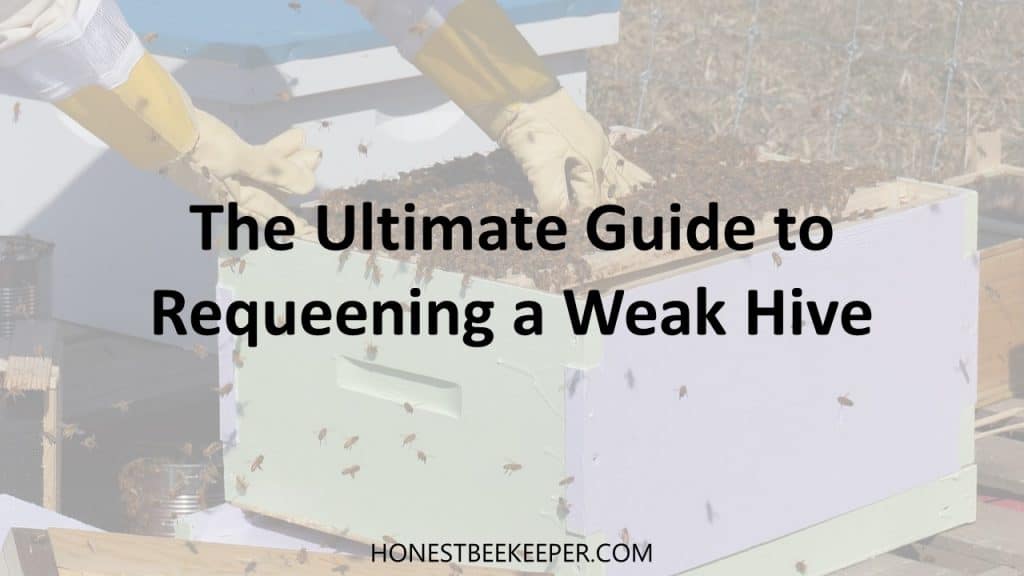
Combining hives is a strategic approach in beekeeping that can enhance the overall health and productivity of the bee colonies. By merging a weak hive with a stronger one, beekeepers can ensure that the bees have adequate resources and support to thrive. This section will Artikel the step-by-step process for combining hives, methods for introducing the weak hive to the strong hive, and tips for ensuring a successful merge while minimizing stress on the bees.
Step-by-Step Process of Combining Hives
A systematic approach is vital when combining hives to ensure a seamless transition. The following steps Artikel the best practices:
1. Preparation
Ensure that both hives are healthy and free from diseases. Inspect the weak hive for signs of queen failure or disease, and assess the strong hive’s overall condition.
2. Choose a Suitable Time
Combine hives during a period when bees are less active, preferably in the late afternoon or evening. This will help reduce the likelihood of aggressive behavior during the merging process.
3. Choose the Right Method
There are several methods to combine hives, including the newspaper method and the direct combine method. Select the one that is best suited for your situation.
4. Use a Barrier
If using the newspaper method, lay a sheet of newspaper over the strong hive’s frames before placing the weak hive on top. This barrier allows the bees to gradually mix their scents while minimizing direct confrontation.
5. Monitor the Merge
After the initial combine, monitor the hives closely for several days. Look for signs of stress or aggression and ensure both colonies are integrating well.
Methods for Introducing the Weak Hive to the Strong Hive
Different techniques can be employed to introduce the weak hive to the strong one, each with its own advantages and suitability based on the situation.
Newspaper Method
This widely used method involves placing a layer of newspaper between the two hives. Bees will chew through the newspaper, allowing them to mix their scents gradually. This helps reduce aggression and promotes a smoother integration.
Direct Combine Method
This method involves simply placing the weak hive directly on top of the strong one without a barrier. It is essential to ensure that the strong hive has sufficient space and that the weak hive is healthy.
Frame Exchange Method
Alternatively, frames can be transferred from the weak hive to the strong hive. Ensure that the frames from the weak hive are placed adjacent to frames of the strong hive to facilitate acceptance.
Tips for Ensuring a Successful Merge and Minimizing Stress on Bees
To enhance the likelihood of a successful hive merge and to minimize stress on the bees, consider the following practical tips:
Avoid Merging During Nectar Flow
Timing the merge outside of a nectar flow period can prevent additional stress on the bees, allowing them to focus on the integration process.
Gradual Integration
Implement gradual integration techniques where the weak hive is introduced slowly over several days to allow for scent recognition and adjustment.
Monitor Behavior
Observe the bees closely after merging. Signs of aggression or fighting can indicate stress. If aggression occurs, consider adding another layer of separation, such as additional newspaper.
Provide Adequate Resources
Ensure that the combined hive has ample food and water resources. This is essential for supporting the increased bee population following a merge.
Limit Disturbance
After combining hives, minimize disturbances to allow the bees to settle into their new arrangement. Avoid opening the hives frequently during the initial days of merging.By adhering to these best practices, beekeepers can successfully combine hives, promoting the health and productivity of their colonies while ensuring a harmonious transition for the bees involved.
Monitoring After the Merge
After successfully combining a weak hive with a stronger one, it is essential to closely monitor the newly formed colony to ensure a smooth integration. This phase is critical, as it can determine the overall health and productivity of the hive in the long term. Monitoring should be systematic and thorough, allowing beekeepers to identify any issues early on.Establishing a timeline for observing hive behavior post-merge is vital.
A consistent schedule allows beekeepers to track significant changes in activity and health indicators. Typically, the first week after merging is crucial; during this time, the bees are adjusting to their new environment and hierarchy. Observations should continue for at least a month to gauge the long-term success of the merger.
Checklist for Monitoring Hive Health
Creating a checklist for monitoring the health of the newly combined hive can streamline the observation process. The following points should be included in the checklist:
- Check for active foraging behavior: Observe whether bees are leaving and returning to the hive regularly.
- Inspect the presence of a queen: Confirm that the queen is visible and laying eggs in the brood frames.
- Monitor brood pattern: Ensure that the brood pattern is consistent and healthy, indicating good queen performance.
- Evaluate bee behavior: Look for signs of aggression or abnormal behavior that may indicate stress or a failed integration.
- Assess the honey stores: Check that the hive has adequate food supplies to support the colony during the adjustment period.
Regular monitoring is essential, as it allows you to detect any signs of failure in the integration process. Indicators of successful integration include harmonious behavior among the bees, consistent brood production, and stable population growth. Conversely, signs of failure may manifest as significant aggression, a lack of brood, or the absence of foraging activity.
Successful integration is characterized by a stable, active colony that demonstrates cooperative behavior and effective resource management.
Case Studies and Real-Life Examples
In the world of beekeeping, combining hives can lead to improved colony strength and productivity. Numerous beekeepers have successfully combined weak hives with stronger ones, allowing them to harness the benefits of increased worker population and shared resources. This section will explore real-life examples of hive combinations, analyzing the various methods employed and the lessons learned from both successful and failed attempts.
Successful Hive Combinations
Several case studies highlight the effectiveness of combining hives, showcasing different methods that have yielded positive results. One notable example can be found in a beekeeping operation in California, where a beekeeper faced dwindling populations in two of his hives. By combining these hives, he was able to create a stronger colony that thrived during the pollination season. The method used involved placing the weaker colony’s frames directly into the stronger hive, allowing the bees to integrate seamlessly.
Another case study from a local beekeeping club in Texas revealed the benefits of using newspaper as an integration medium. A beekeeper successfully merged two hives by placing a layer of newspaper between the two colonies. The bees from both hives chewed through the paper, facilitating a gradual introduction that reduced the likelihood of aggressive behavior. This technique not only resulted in a productive colony but also minimized stress on the bees during the merging process.
Comparison of Methods
The methods employed in these successful hive combinations vary, each with its unique advantages. The direct frame transfer method is straightforward and allows for immediate access to the resources of the weaker hive. However, this method can lead to increased aggression if not managed correctly. On the other hand, the newspaper method serves as a less confrontational approach, allowing the bees to acclimate to one another gradually.A third method worth mentioning is the “two-queen” strategy, where a strong hive is reinforced by adding a queen from a weak hive.
This approach can help balance the population, as the presence of a new queen encourages the bees to accept her and integrate the workers from the weaker hive. Below is a comparison of the methods based on ease of implementation, bee behavior response, and overall success rate:
| Method | Ease of Implementation | Bee Behavior Response | Success Rate |
|---|---|---|---|
| Direct Frame Transfer | Moderate | Potential Aggression | High |
| Newspaper Method | Easy | Gradual Integration | Very High |
| Two-Queen Strategy | Difficult | Cooperative | Moderate |
Lessons from Failed Attempts
While many hive combinations have succeeded, there are instances where attempts have failed, providing valuable lessons for beekeepers. One common issue arises from combining hives that are not closely matched in strength. A case study from a beekeeper in Florida demonstrated that merging a weak hive with an overly strong one can lead to a complete rejection of the weaker colony’s bees, resulting in chaos and the loss of both hives.Another failed attempt occurred when a beekeeper attempted to merge two hives without considering the behavioral characteristics of the bees.
The bees from one hive were notably aggressive, leading to multiple stings and eventual abandonment of the merging process. This incident highlights the importance of assessing the temperament of bees prior to any combination.In summary, the analysis of successful hive combinations alongside the examination of failed attempts provides beekeepers with the insights necessary to enhance their practices. Understanding the methods available and the behaviors of bees can significantly impact the outcome of hive merging, ensuring a productive and healthy apiary.
Tools and Equipment Needed
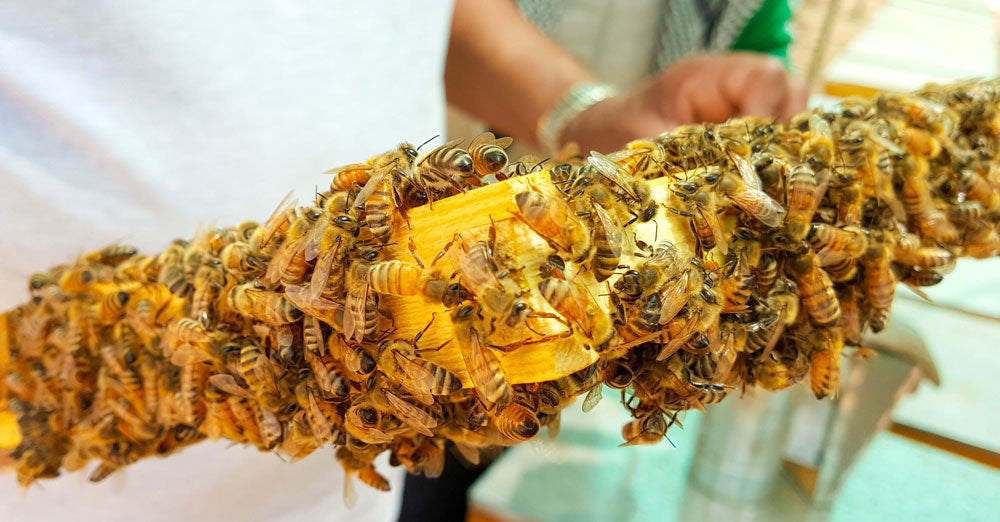
When merging hives, having the right tools and equipment is crucial to ensure a smooth and effective process. The proper gear not only facilitates the merging operation but also enhances the safety and well-being of the beekeeper and the bees involved. Below is a comprehensive overview of the essential tools and equipment required for combining hives successfully.
Essential Tools for Merging Hives
The following tools are necessary for a safe and efficient hive merging process. Each item plays a significant role in simplifying the tasks involved and ensuring the comfort of both the bees and the beekeeper.
- Smoker: A smoker is vital for calming bees during the merging process. Using smoke helps reduce agitation, making the bees less likely to sting. It is essential to keep the smoker lit and at the ready throughout the operation.
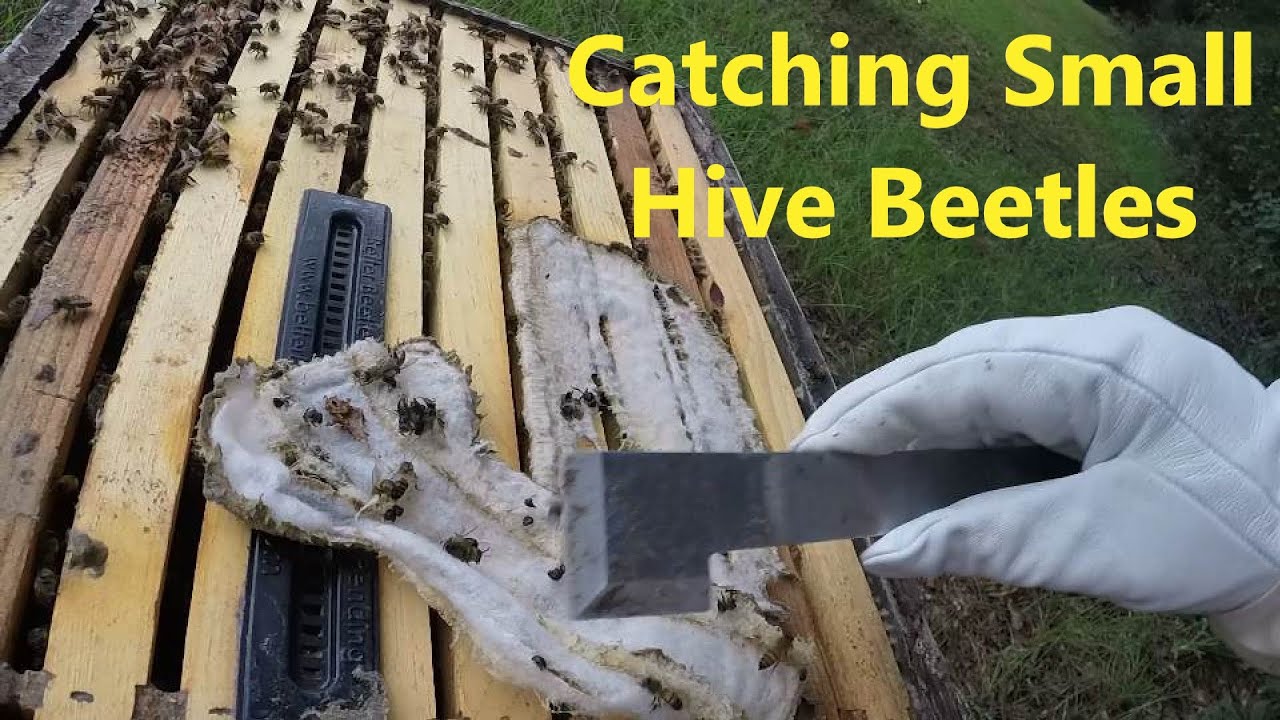
- Hive Tool: A hive tool is indispensable for prying apart hive bodies and frames. It assists in the safe removal of frames and helps in inspecting and managing the two hives being combined.
- Bee Brush: This tool is used to gently remove bees from frames when transferring them between hives. Care should be taken to avoid harming the bees while using the brush.
- Fume Board or Entrance Reducer: These can help manage the entrance of the hive, making it easier for the newly combined colony to adjust. They also help prevent robbing from other bees during the merging process.
- Feeder: A feeder may be necessary to provide the combined colony with sugar syrup, helping them to establish themselves after the merge. This is particularly important if the hives are weak and may struggle with food resources.
Usage Insights for Specific Tools
It is important to understand how to properly use the tools during the hive merging process to ensure effectiveness and safety. Below are some insights on the usage of specific tools.
- Smoker: Before starting the merge, ignite the smoker using dry, combustible materials such as pine needles or burlap. Ensure that the smoke is cool and not too hot, as this can cause stress to the bees. Puff smoke at the entrance of both hives and inside as you work.
- Hive Tool: When using the hive tool, insert it gently between the edges of the hive boxes to avoid crushing bees. Leverage the tool to pry apart the hive components carefully. Use the flat end to scrape any propolis or wax that may be sealing the boxes together.
- Bee Brush: Gently brush bees off frames toward the center of the hive, ensuring minimal disturbance. This method is more effective than simply shaking the frames, which can injure bees and disrupt the colony.
- Fume Board or Entrance Reducer: Place the fume board over the hive after merging to keep the new colony contained while they adjust. An entrance reducer can help manage entrance space, making it easier for the bees to defend their new home.
Safety Gear for Beekeepers
Safety should always be a priority when working with bees, especially during hive merges when the bees may be more agitated than usual. The following safety gear is essential for beekeepers to protect themselves during the merging process.
- Bee Suit: A well-fitting bee suit provides full coverage to protect against stings. It should have elastic cuffs and a secure fit at the ankles and wrists.
- Gloves: Thick leather gloves are recommended to protect the hands from bee stings while maintaining dexterity for handling hive tools.
- Veil: A bee veil protects the face and neck, offering a barrier against bees that may try to sting while you’re working near the hive.
- Boots: Sturdy, closed-toed boots offer additional protection and should be high enough to prevent bees from crawling inside.
Environmental Considerations
Environmental factors significantly influence the success of combining hives. Understanding these factors can help beekeepers make informed decisions, ensuring a smooth merger that minimizes stress on the bees. The preparation of hives in varying weather conditions is crucial for maintaining colony health and productivity.Various environmental conditions can directly affect the dynamics of bee colonies. Factors such as temperature, humidity, and wind can play a critical role in the behavior and well-being of bees during a hive combination.
When considering a combination, it is essential to assess these conditions to ensure the best outcome.
Environmental Factors Affecting Hive Combination Success
Several environmental factors must be taken into account when planning to combine hives:
- Temperature: Ideal temperatures for hive combinations range from 50°F to 85°F (10°C to 29°C). Extreme heat or cold can either lead to bee aggression or lethargy, adversely affecting the merge.
- Humidity: High humidity levels can increase the spread of diseases, while low humidity can lead to dehydration. It is important to monitor humidity to maintain a healthy environment during the combination process.
- Wind: Strong winds can disorient bees, making them more prone to aggression. Conducting hive combinations in sheltered areas can help protect bees from wind stress.
Preparation of Hives in Different Weather Conditions
Preparing hives for combination in varying weather conditions requires specific strategies to ensure that the bees remain calm and healthy.
- Warm Weather: During warmer periods, beekeepers should ensure adequate ventilation and avoid combining hives during peak heat times, which can lead to increased bee aggression.
- Cold Weather: In cooler conditions, it is advisable to combine hives during the warmest part of the day to minimize the risk of chilling the bees. Additionally, using heat sources can help maintain hive temperature.
- Rainy Weather: Combining hives should be avoided in heavy rain, as wet conditions can make bees more irritable. If necessary, a temporary shelter can protect the bees during the merge.
Best Practices for Reducing Stress on Bees During Environmental Changes
Minimizing stress on bees during environmental changes is vital for a successful hive combination. Implementing best practices can significantly enhance the process.
- Gentle Handling: Beekeepers should handle frames and hives gently to avoid disturbing the bees excessively, which can lead to stress and aggression.
- Timing: Conducting hive combinations during late afternoon or early evening can allow bees to settle more easily, reducing overall stress levels.
- Gradual Introduction: Introducing the weak hive into the strong hive gradually can help reduce stress. For example, placing the weak hive next to the strong one for a few days before combining can allow bees to acclimate to each other’s scents.
“Mitigating environmental stressors is essential for ensuring the long-term health and productivity of bee colonies during hive combinations.”
Last Point

In conclusion, combining a weak hive with a strong one can be a transformative strategy for beekeepers aiming to enhance their hive’s performance. With careful planning, monitoring, and an understanding of best practices, this process can lead to a healthier, more vigorous colony. By following the Artikeld steps and learning from real-life examples, beekeepers can navigate the complexities of hive merging with confidence and success.