How to Plant a Bee-Friendly Garden opens the door to an enriching journey that emphasizes the critical role bees play in our ecosystem. These remarkable pollinators are not only essential for food production but also for maintaining biodiversity. As we witness a troubling decline in bee populations, it becomes increasingly vital for us to create spaces that nurture and attract these industrious creatures.
In this guide, we will explore the steps necessary to establish a garden that supports bee health and promotes their well-being. From selecting the right plants to designing a welcoming environment, readers will gain valuable insights into how each action contributes to the larger goal of environmental stewardship.
Importance of a Bee-Friendly Garden
A bee-friendly garden plays a vital role in supporting the ecosystem and enhancing food production. Bees are not only crucial pollinators but also integral to maintaining biodiversity. By creating spaces that attract and nurture these important insects, we contribute significantly to environmental health and agricultural productivity.Bees facilitate the reproduction of flowering plants, which in turn supports a wide range of wildlife.
This interdependence underscores the importance of bees in food production; approximately one-third of the food we consume relies on pollination, primarily by bees. Their activities ensure the growth of fruits, vegetables, and nuts, which are essential components of our diets and economies. Moreover, by attracting bees to our gardens, we can enjoy numerous benefits, including improved plant health, higher yields, and enhanced garden aesthetics.
Role of Bees in Ecosystem and Food Production
The role of bees extends far beyond simple pollination; they are foundational to the stability of ecosystems. Some key points illustrating their significance include:
-
Pollination Efficiency:
Bees are responsible for pollinating about 75% of the world’s flowering plants, including 35% of global food crops.
-
Biodiversity Support:
By pollinating various plant species, bees help create habitats for other wildlife, thereby sustaining biodiversity.
-
Crop Yield Enhancement:
Studies have shown that crops pollinated by bees yield significantly higher than those that are not, demonstrating the economic importance of these insects.
The decline in bee populations poses a serious threat to global food security and environmental health. Factors such as habitat loss, pesticide use, and climate change have contributed to this alarming trend.
Decline of Bee Populations and Its Impact on Biodiversity
The decline of bee populations is a pressing issue that has far-reaching consequences for biodiversity and ecosystems. The following points Artikel the impacts of this decline:
-
Reduction in Plant Diversity:
With fewer bees available to pollinate, many plant species struggle to reproduce, leading to a decrease in plant diversity.
-
Food Supply Risks:
The loss of bees jeopardizes the production of various fruits, vegetables, and nuts, affecting food supply chains and nutrition.
-
Economic Consequences:
The agricultural economy suffers from decreased crop yields and increased reliance on artificial pollination methods, which can be costly and less effective.
In summary, supporting bee populations through the establishment of bee-friendly gardens not only enhances our personal gardening experiences but also contributes to the overall health of ecosystems and food systems. By fostering environments that prioritize the needs of bees, we can take meaningful steps toward protecting biodiversity and ensuring a sustainable future for our planet.
Choosing the Right Plants
Creating a bee-friendly garden begins with selecting the right plants. Choosing plants that provide nectar and pollen is essential for attracting and supporting bee populations. The following sections will explore various plant species that are particularly appealing to bees, offer suggestions for different climatic zones, and highlight the crucial role of native plants in sustaining local bee communities.
Plant Species Attractive to Bees
Certain plants have been scientifically recognized for their attractiveness to bees due to their abundant nectar and pollen. Incorporating a diversity of these plants in your garden can significantly enhance its appeal to bees.
“Bees are particularly attracted to flowers that are blue, purple, yellow, and white, as these colors are more visible to them.”
The following plants are known to be especially beneficial for bees:
- Lavender (Lavandula spp.)
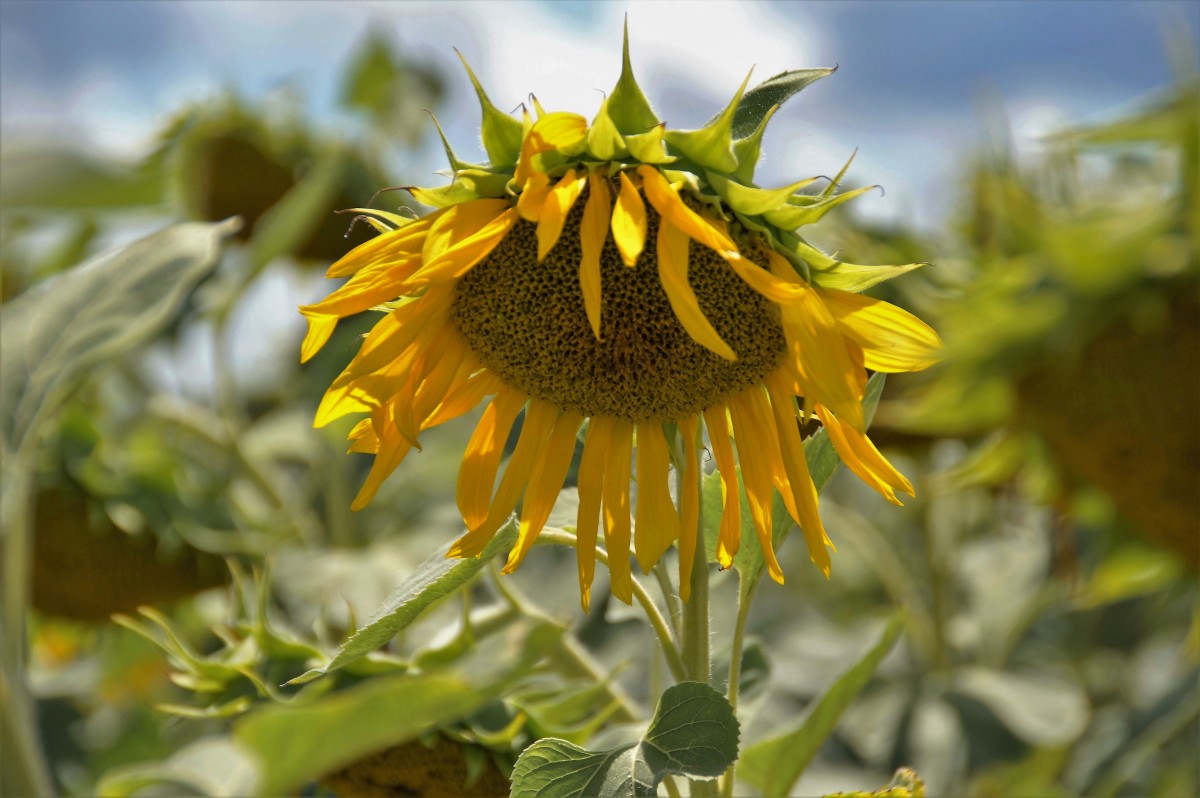
- Sunflower (Helianthus annuus)
- Bee Balm (Monarda spp.)
- Echinacea (Echinacea purpurea)
- Mint (Mentha spp.)
- Wildflowers such as Black-eyed Susan (Rudbeckia hirta)
- Thyme (Thymus spp.)
Flowering Plants for Different Climates
Selecting appropriate flowering plants according to your local climate is vital for ensuring that your garden thrives. Various climatic conditions may support different species, which can effectively attract bees. Below is a categorized list of flowering plants suitable for different climate zones:
In a temperate climate:
- Goldenrod (Solidago spp.)
- Salvia (Salvia spp.)
- Catmint (Nepeta spp.)
In a Mediterranean climate:
- Rosemary (Rosmarinus officinalis)
- Oregano (Origanum vulgare)
- Thyme (Thymus spp.)
In a warm, humid climate:
- Passionflower (Passiflora spp.)
- Butterfly Bush (Buddleja davidii)
- Azalea (Rhododendron spp.)
In colder climates:
- Hellebore (Helleborus spp.)
- Snowdrop (Galanthus spp.)
- Propagating native grasses that bloom early in the spring.
The Role of Native Plants
Incorporating native plants into your garden is crucial for the well-being of local bee populations. Native plants have evolved in specific environments and are better suited to withstand local pests and diseases. They also provide the essential food sources that local bee species depend upon.
“Native plants often require less maintenance and are more resilient to local climatic conditions, making them an ideal choice for a bee-friendly garden.”
Utilizing native plant species can foster biodiversity and create a harmonious ecosystem, encouraging not only bees but also other pollinators and beneficial insects. For example, planting milkweed (Asclepias spp.) can attract monarch butterflies, while also providing food for native bees. Overall, selecting the right plants is a pivotal step in establishing a thriving bee-friendly garden that supports both pollinators and the broader ecosystem.
Creating a Pollinator-Friendly Environment
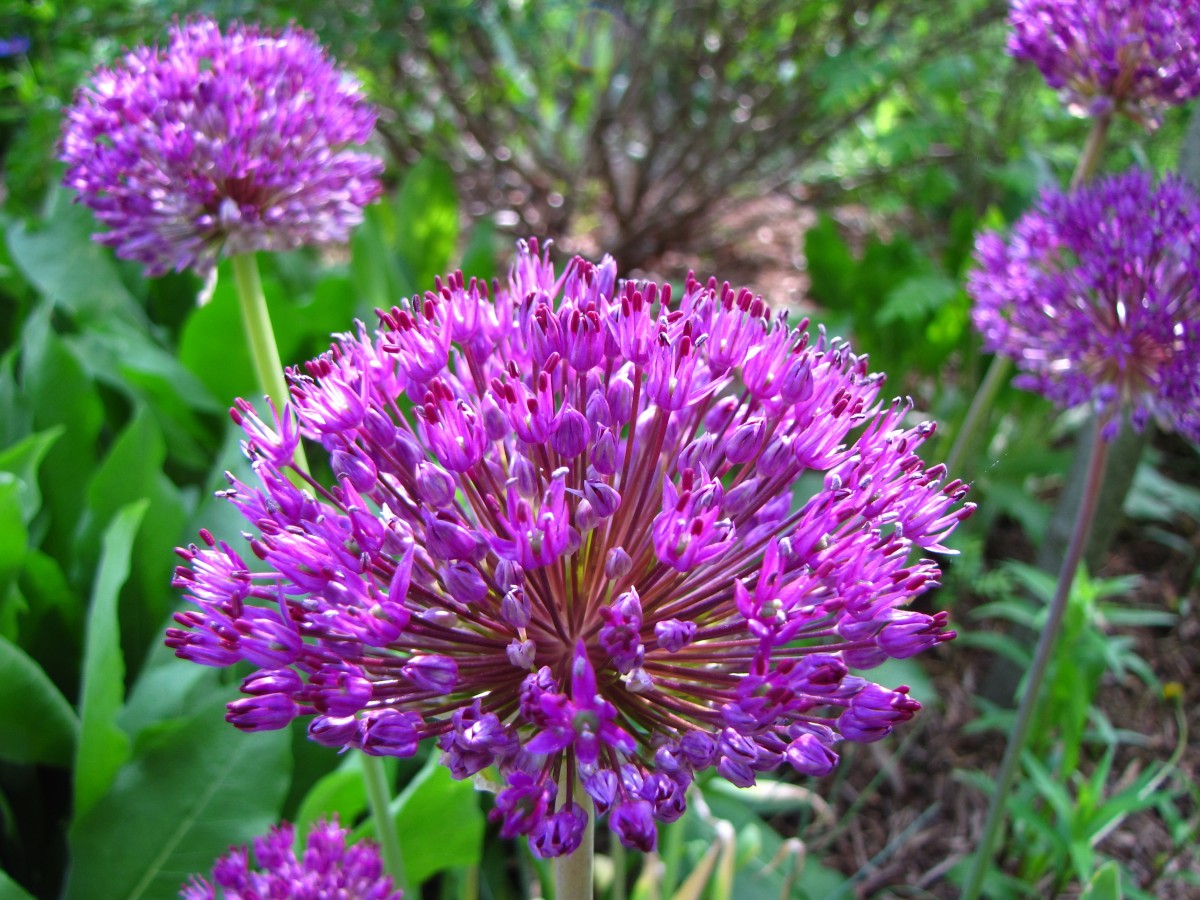
A pollinator-friendly environment is essential for supporting bee populations and enhancing the overall health of our ecosystems. By incorporating specific design elements and practices within our gardens, we can create a welcoming habitat that encourages bees and other pollinators to thrive. This section will delve into the various strategies that can be employed to design an inviting space for these invaluable creatures.
Design Elements for a Welcoming Garden
A well-designed garden can significantly enhance its appeal to bees and other pollinators. The following elements should be considered when creating your garden layout:
- Diverse Plant Selection: Incorporating a variety of flowering plants that bloom at different times throughout the growing season ensures a consistent food source for bees.
- Grouping Plants: Planting in clusters rather than single specimens makes it easier for bees to locate food sources, as they are attracted to massed colors and scents.
- Native Plants: Utilizing native flora is beneficial as these plants are adapted to the local environment, providing bees with the most suitable food and habitat.
- Layered Planting: Creating vertical diversity by incorporating plants of varying heights allows for different species of bees to access the flowers more easily.
Shelter and Water Sources for Bees
Providing adequate shelter and water is crucial for the survival of bees. Creating protected spaces and accessible water sources can enhance the habitat within your garden. Consider the following methods:
- Bee Hotels: Installing bee hotels or nesting boxes provides solitary bees with a safe place to lay their eggs. These structures can be made from untreated wood, bamboo, or hollow stems.
- Natural Shelter: Leaving undisturbed areas of the garden, such as piles of leaves or logs, offers refuge to ground-nesting bees and other pollinators.
- Water Sources: Create shallow water dishes with pebbles or floating plants for bees to land on while drinking. This not only quenches their thirst but also prevents drowning.
Reducing Pesticide Use
Minimizing pesticide use in the garden is vital for protecting bees and promoting a healthier ecosystem. Implementing the following practices can help reduce harmful chemicals and support pollinator health:
- Integrated Pest Management (IPM): This holistic approach combines biological control, habitat manipulation, and resistant plant varieties to manage pest problems while minimizing pesticide use.
- Natural Alternatives: Explore natural pest control methods, such as introducing beneficial insects like ladybugs or using organic sprays made from neem oil or insecticidal soap.
- Pesticide Timing: If pesticide application is necessary, opt to use them during the evening when bees are less active, and choose products specifically labeled as safe for pollinators.
- Education and Awareness: Stay informed about the impacts of pesticides and advocate for sustainable gardening practices within your community.
Creating a garden that supports bee populations not only benefits the bees themselves, but also contributes to the health of our planet.
Garden Layout and Design
Creating a bee-friendly garden goes beyond merely selecting the right plants; it involves careful consideration of garden layout and design. A well-planned garden can significantly enhance the appeal and functionality of the space while attracting and supporting bee populations. By thoughtfully arranging plants and utilizing strategic design principles, gardeners can cultivate an environment that is not only aesthetically pleasing but also ecologically beneficial.When planning a bee-friendly garden, the layout should prioritize diverse plantings and the clustering of similar species.
Planting in clusters rather than scattered single plants offers numerous advantages. Clusters can create more attractive and accessible sources of nectar and pollen for bees, enabling them to forage more efficiently. This grouping also helps to create microhabitats that can provide shelter and protection for pollinators against predators and adverse weather conditions.
Continuous Blooming Throughout the Season
To maximize the ecological benefits of a bee garden, it is essential to ensure that there are flowering plants available throughout the entire growing season. This strategy helps to support bees by providing a reliable food source and encourages diverse bee species to visit the garden. Here are key considerations for achieving continuous blooming:The selection of flowering plants should span various bloom times, from early spring to late fall.
This means incorporating a variety of species that bloom at different times of the year.
- Early bloomers: Plants like crocuses and snowdrops provide essential food for bees emerging from hibernation in early spring.
- Summer favorites: Species such as echinacea, lavender, and sunflowers offer ample nectar as bee populations peak during the warmer months.
- Fall sources: Asters and goldenrods are vital for late-season foraging, allowing bees to prepare for winter by stockpiling food resources.
By carefully curating a mix of plants that provide continuous blooms, gardeners not only enhance the aesthetic value of their gardens but also play a pivotal role in sustaining bee populations. The practice of creating a garden that attracts and supports these essential pollinators is a rewarding endeavor that contributes to the health of local ecosystems.
“A diverse and strategically designed garden layout can attract a wide array of pollinators, ensuring their survival and enhancing the beauty of our green spaces.”
Maintenance of a Bee-Friendly Garden
Maintaining a bee-friendly garden is essential for sustaining a healthy environment for pollinators. Regular care and attention not only enhance the garden’s aesthetic appeal but also significantly support the local bee population. Implementing best practices for maintenance ensures that the garden remains a thriving habitat for bees throughout the growing season.
Effective maintenance practices revolve around the specific needs of bees and their habitats. Regular monitoring and care can greatly improve the health of your garden and the bees that visit it. By adhering to a structured seasonal schedule, you can provide the necessary sustenance and shelter that bees require. Additionally, allowing certain plants to go to seed benefits bees by providing food sources during critical times of the year.
Best Practices for Maintaining a Bee-Friendly Garden
Establishing a maintenance routine is vital for the health of your bee-friendly garden. The following practices should be regularly incorporated into your gardening routine:
- Limit the Use of Pesticides: Minimize or eliminate pesticide use, opting for natural alternatives whenever possible. If treatments are necessary, applying them during the evening when bees are less active can reduce exposure.
- Water Sources: Ensure there are shallow water sources available for bees to drink from, such as small dishes filled with pebbles and water. This not only hydrates the bees but also encourages them to visit your garden.
- Regular Weeding: Keep weeds in check, as they can compete with your flowers for nutrients and space. Focus on removing invasive species while allowing native plants that provide bee forage to thrive.
- Provide Shelter: Create areas within your garden where bees can nest and take refuge. This can be achieved by leaving patches of bare soil or incorporating bee hotels made from natural materials.
- Monitor Plant Health: Regularly check your plants for signs of disease or pests. Promptly addressing these issues will prevent them from spreading and ensure that your flowers remain healthy and fruitful for bees.
Seasonal Schedule for Supporting Bee Health
A well-defined seasonal schedule can help you systematically attend to the needs of your garden and the bees that inhabit it. The following Artikels key tasks throughout the year:
- Spring: Early spring is the perfect time to plant early-blooming flowers such as crocuses and snowdrops, which provide initial food sources for emerging bees. Additionally, clear any debris from winter.
- Summer: Regularly deadhead spent flowers to promote further blooming. Introduce a variety of flowering plants that bloom throughout the summer to sustain bees during peak activity.
- Fall: As autumn approaches, let some plants go to seed. This will provide food for bees as they prepare for winter. Clean up the garden only moderately to leave some natural materials for shelter.
- Winter: Protect perennials during the winter months by mulching to retain moisture and prevent weed growth. Additionally, consider leaving seed heads and stems standing as shelter for bees.
Importance of Allowing Plants to Go to Seed
Allowing certain plants to go to seed is crucial for supporting bee populations. This practice not only provides a food source for bees during late summer and fall but also encourages biodiversity within the garden. Seeds can be a critical food source for both adult bees and their larvae. By letting some plants mature and produce seeds, you create a sustainable environment where bees can thrive.
Additionally, this approach enhances the natural beauty of your garden, adding texture and interest throughout the seasons.
“The survival of bee populations is intricately linked to the availability of diverse food sources, particularly during late summer and fall.”
Incorporating these maintenance strategies and adhering to a seasonal schedule will help create and sustain a thriving bee-friendly garden that supports both pollinators and the overall ecosystem.
Education and Community Involvement
Educating others about the critical role bees play in our ecosystems is essential for fostering a culture of environmental stewardship. Bees are not only vital for pollination but also contribute significantly to food production and biodiversity. By raising awareness, we can encourage more individuals and communities to engage in bee-friendly practices.Community initiatives play a pivotal role in promoting bee-friendly gardening.
These programs can help unite individuals with a shared goal of supporting pollinator health through collaborative efforts. Within communities, residents can participate in various activities that enhance awareness and support for bees.
Community Education Initiatives
Several initiatives can effectively promote bee education within communities. Engaging local schools, gardening clubs, and environmental organizations can amplify the message about the importance of bees. The following examples illustrate some successful community initiatives:
- School Programs: Local schools can incorporate bee education into their science curricula, fostering interest in pollination and biodiversity among young students. Hands-on projects, such as creating school gardens that are bee-friendly, can enhance learning experiences.
- Community Workshops: Organizing workshops focused on bee-friendly gardening practices can provide valuable information and practical skills. Topics may include selecting appropriate plants, understanding bee behavior, and creating habitats beneficial for pollinators.
- Bee Festivals: Hosting annual bee festivals can serve as a fun, engaging way to celebrate bees while educating the public. Activities may include bee-themed art installations, honey tastings, and demonstrations on how to create bee habitats.
- Partnerships with Local Organizations: Collaborating with local environmental organizations can enhance outreach efforts. These partnerships can result in community grants, resources for educational materials, and increased visibility for bee-friendly initiatives.
Opportunities for Local Workshops and Events
Local workshops and events focused on pollinator health present valuable opportunities for community engagement. These gatherings can provide insights into the latest research and practical advice on how to support local bee populations. Notable examples of such opportunities include:
- Pollinator Gardens Tours: Organizing guided tours of existing bee-friendly gardens within the community allows participants to learn firsthand about successful gardening techniques and plant selections.
- Expert Talks: Inviting local experts, such as entomologists or horticulturists, to speak about the significance of pollinators and best practices for gardening can enrich community knowledge and inspire action.
- Seed Swaps: Hosting seed swap events encourages community members to share native plant seeds known to attract bees. This promotes biodiversity while fostering a sense of community involvement.
- Community Clean-Up Days: Organizing clean-up events in local parks or gardens helps create habitat for bees by maintaining clean and safe environments for plants to grow.
Utilizing these strategies fosters a greater understanding of bees and their essential role in our ecosystems, empowering communities to take meaningful action in support of pollinator health.
Monitoring and Supporting Bee Populations
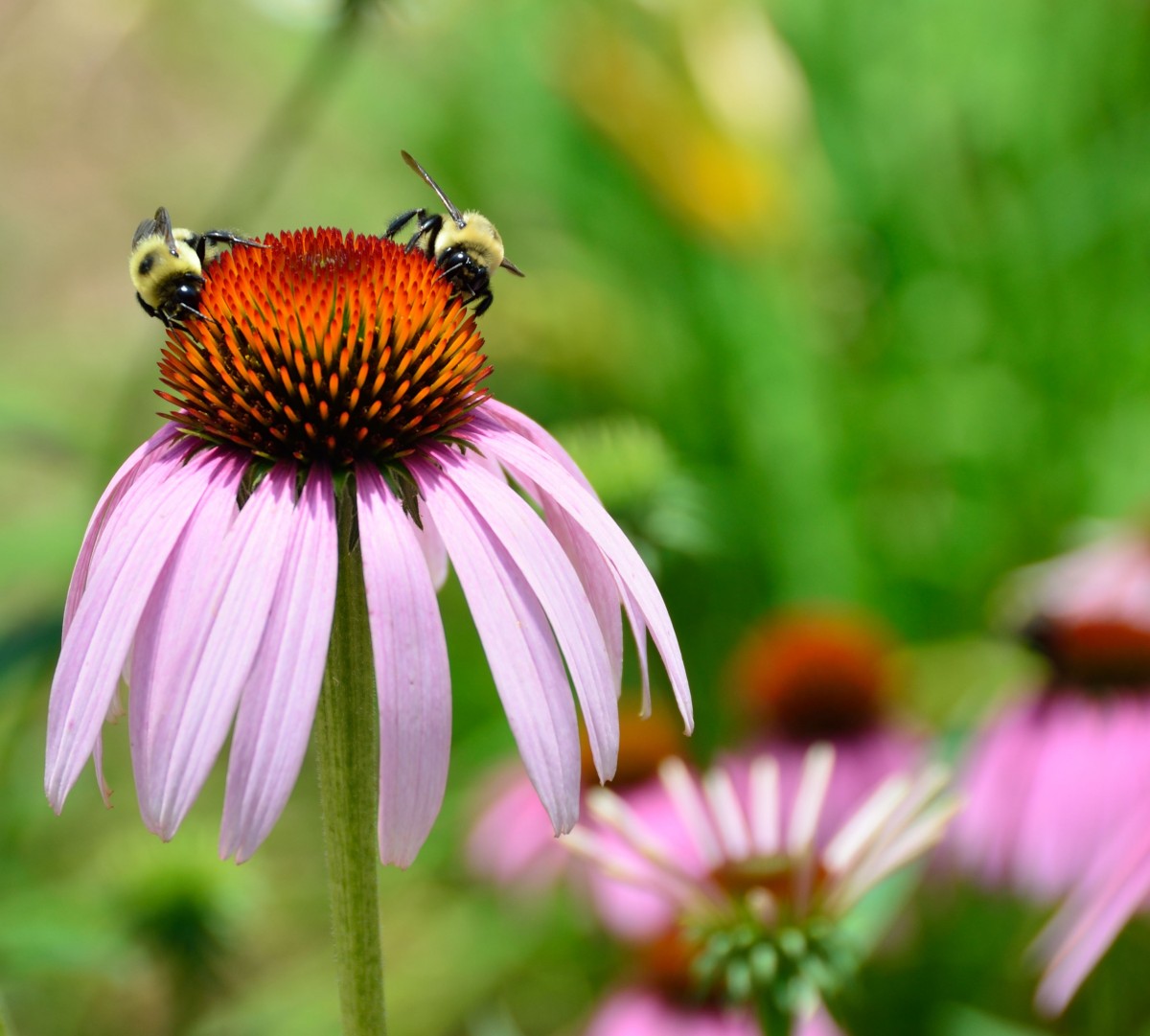
Monitoring and supporting bee populations is crucial for maintaining the health of our ecosystems and ensuring effective pollination. By observing bee activity and creating supportive habitats, gardeners can contribute significantly to the conservation of these vital insects. This section Artikels key methods for tracking bee populations, fostering specific bee habitats, and reporting sightings to aid conservation efforts.
Observing and Tracking Bee Activity
Regular observation of bee activity in your garden allows for a better understanding of their behaviors and preferences. Observing the variety and frequency of bee visits can indicate the health of the garden’s ecosystem. Here are some effective methods for tracking bee populations:
- Set up observation times during peak bee activity, typically in the morning or early afternoon when temperatures are warm.
- Keep a journal to record the types and numbers of bees observed, noting their interactions with specific plants.
- Utilize bee identification guides or smartphone apps to document different species, enhancing your understanding of biodiversity.
Creating Habitats for Specific Bee Species
Different bee species require varied habitats to thrive. Creating designated spaces for these species enhances their survival rates and fosters biodiversity. Implementing the following strategies can effectively support specific bee populations:
- Provide ground-nesting sites by leaving patches of bare soil or sandy areas, which are essential for ground-nesting bees.
- Install bee hotels made from wood blocks with drilled holes or bundles of hollow stems to attract solitary bees that do not live in colonies.
- Incorporate diverse flowering plants that bloom at different times throughout the growing season to supply a continuous food source.
Reporting Bee Sightings
Contributing to conservation efforts requires active participation from the public in reporting bee sightings. This information helps researchers understand bee population dynamics and distribution. Engaging in bee conservation can be facilitated through the following actions:
- Participate in citizen science programs, such as Bumble Bee Watch or the Great Sunflower Project, which collect valuable data on bee species.
- Document and report sightings via smartphone apps designed for tracking pollinator activity, enabling researchers to analyze trends.
- Share your findings with local environmental organizations focused on pollinator conservation efforts.
“Every observation and report contributes to a larger understanding of bee health and biodiversity, aiding in future conservation strategies.”
Closure
In conclusion, developing a bee-friendly garden is a rewarding endeavor that benefits both our planet and ourselves. By choosing the appropriate plants, creating a supportive habitat, and engaging with the community, we can make a significant impact on bee populations and biodiversity. Together, let us champion the cause of bees and ensure their resilience for future generations.