How to Read the Frames of a Beehive presents an essential guide for both novice and seasoned beekeepers, serving as a gateway to understanding the intricate workings of a hive. By delving into the various components and functions of beehive frames, one can unlock the secrets to maintaining a healthy and productive colony. This exploration will not only enhance your beekeeping skills but also deepen your appreciation for these remarkable creatures and their habitats.
This guide provides a comprehensive overview of beehive frames, including their structure, materials, and types. It further explains the role of frames within the hive and emphasizes the importance of regular inspections to ensure bee health and productivity. With practical insights into common issues and maintenance best practices, this resource aims to equip you with the knowledge needed to optimize your beekeeping experience.
Introduction to Beehive Frames
Beehive frames play a pivotal role in the architecture of a beehive, serving as the fundamental structure for honeycomb development and bee activity. These frames are designed to hold the wax or plastic foundation upon which bees build their honeycomb, facilitating the organization of the hive and the management of bee colonies.The materials used to construct beehive frames significantly impact their durability and functionality.
Traditionally, frames are made from untreated or food-grade wood, such as pine or cedar, which provides a natural environment for bees. Additionally, some frames are constructed from plastic, offering a lightweight alternative that can be easier to handle and clean.
Types of Beehive Frames
There are various types of beehive frames, each tailored for specific uses and advantages in beekeeping. Understanding these distinctions enables beekeepers to optimize their hives for honey production, brood management, and overall colony health.
- Langstroth Frames: The most common type, designed to fit the Langstroth hive system. These frames allow for easy inspection and honey harvesting.
- Top-Bar Frames: Utilized in top-bar hives, these frames encourage natural comb building. They lack a foundation, allowing bees to create their own cell sizes.
- Flow Frames: A modern innovation, these frames have built-in mechanisms that allow honey to be harvested without removing the frames from the hive, minimizing disturbance to the bees.
- Warre Frames: Designed for the Warre hive, these frames focus on natural beekeeping practices, promoting minimal interference with bee operations.
The selection of the appropriate frame type can directly influence the efficiency of honey production and the well-being of the bee colony. Beekeepers often consider factors such as local climate, bee species, and personal management style when choosing frames for their hives.
“The right beehive frame not only supports the structure of the hive but also enhances the health and productivity of the bee colony.”
Understanding Hive Components

The structure of a beehive comprises several essential components, each playing a crucial role in the overall functionality and health of the colony. Understanding these components is fundamental for any beekeeper aiming to maintain a thriving hive. This section Artikels the key elements of a beehive and their interrelations, particularly focusing on frames, supers, and boxes.
Key Components of a Beehive
A beehive consists of various components that contribute to the well-being of the bees as well as the efficiency of honey production. The primary components include frames, supers, and boxes.
- Frames: These are the individual structures that hold the comb, where bees store honey and brood. Typically made of wood or plastic, frames can be removable, allowing beekeepers to inspect them easily.
- Supers: Supers are boxes that sit on top of the hive and are used primarily for honey storage. They are often shallower than brood boxes, making them easier to manage during honey extraction.
- Boxes: The hive body or brood box is where the queen lays eggs and where the majority of bee activity occurs. It serves as the central area for brood rearing and is crucial for the colony’s growth.
Integration of Frames within the Hive Structure
Frames are integral to maintaining the hive’s operational dynamics. They are designed to fit snugly within the hive boxes and supers, allowing bees to build their comb in a controlled manner.
The correct alignment and spacing of frames facilitate seamless movement for bees, optimizing their foraging and brood-rearing activities.
The frames are arranged vertically within the hive, providing enough space for bees to move freely while also ensuring they can access all areas of the comb. The right number of frames, typically ranging from eight to ten per box, is essential for maintaining optimal conditions for the bees.
Importance of Frame Spacing and Alignment
The spacing and alignment of frames within a beehive are critical factors that influence bee activity and overall hive health. Proper spacing allows bees to navigate between frames effectively, which is vital for their foraging and hive maintenance tasks.
- Bee Movement: Adequate spacing permits free movement of bees, reducing congestion and stress within the hive.
- Comb Building: Correct alignment helps bees build their comb in a straight line, minimizing the risk of cross-comb, which can complicate inspections and honey extraction.
- Hive Temperature Regulation: Properly spaced frames help maintain appropriate ventilation and temperature within the hive, supporting brood development and overall colony health.
These factors are indispensable in fostering a productive environment for the bees, directly impacting their efficiency in nectar collection and brood rearing. Understanding the components and their interactions will empower beekeepers to optimize hive management strategies effectively.
Inspecting Frames for Health and Productivity
Proper inspection of beehive frames is vital for maintaining the health and productivity of a bee colony. Regular assessments allow beekeepers to monitor the wellbeing of the bees, identify issues, and ensure that the hive is functioning optimally. In this section, we will Artikel the necessary steps for inspecting frames, understanding brood patterns, and evaluating honey stores.
Step-by-Step Procedure for Inspecting Frames
Inspecting frames requires a systematic approach to ensure thoroughness. The following steps provide a clear procedure for carrying out inspections effectively:
1. Prepare the Equipment
Ensure you have the necessary tools such as a hive tool, bee brush, smoker, and protective gear before beginning the inspection.
2. Smoke the Hive
Use a smoker to calm the bees. Gently puff smoke at the entrance to the hive and on the frames to minimize aggressive behavior.
3. Remove the Hive Cover
Carefully lift off the cover and set it aside, taking care not to crush any bees in the process.
4. Lift Out the Frames
Begin with the outer frames and gradually work your way towards the center. Use your hive tool to detach frames that are adhered together by propolis.
5. Examine Each Frame
Look for signs of healthy bees, including their activity levels, cleanliness of the frame, and absence of pests or diseases.
6. Record Observations
Document the condition of each frame, noting any irregularities, brood patterns, or honey stores.
Identifying Brood Patterns and Their Importance
Brood patterns are critical indicators of the queen’s health and the overall vitality of the colony. Healthy brood patterns suggest that the queen is active and laying eggs effectively. A strong brood pattern typically appears as a compact area of capped and uncapped brood, which can be assessed as follows:
Compact Pattern
A healthy brood pattern is usually compact, with tightly packed larvae and eggs.
Dirtiness
Frames with excessive debris or dead bees can indicate poor colony health or hygiene.
Age of Brood
Observing the age of the brood can provide insights into the timing of queen performance and potential issues with egg-laying.
“An ideal brood pattern is a sign of a strong queen and a thriving colony.”
Methods to Evaluate Honey Stores Within the Frames
Assessing honey stores is essential for determining the hive’s readiness for winter and the overall success of the foraging season. Honey stores can be evaluated through the following methods:
Visual Inspection
Look for capped honey cells on the frames. Capped cells indicate that the honey is ready for consumption by the bees.
Weight Test
Gently lift the frames to gauge their weight. Heavier frames typically contain more honey, indicating sufficient stores.
Frame Composition
Examine the ratio of honey to brood on the frames. A balanced composition is essential for colony health.
“Healthy honey stores are fundamental for the survival of the colony, especially during winter months.”
By systematically conducting inspections, identifying brood patterns, and evaluating honey stores, beekeepers can maintain a thriving hive and ensure the long-term health of their bee colonies.
Recognizing Common Issues in Frames
The health and productivity of a beehive can be significantly impacted by various issues that may arise within the frames. Recognizing these issues early is essential for maintaining a thriving bee colony. Various factors, including pests, diseases, and environmental conditions, can lead to problems that affect the integrity of the frames and the wellbeing of the bees.One of the key aspects of hive maintenance is the ability to identify common problems that can affect frames.
Pests and diseases can undermine the structural and functional aspects of the frames, leading to diminished productivity. Understanding the signs of issues like wax moth damage or chalkbrood is crucial for effective hive management.
Identifying Pests and Diseases
It is vital to regularly inspect frames for signs of pests and diseases. Common pests include wax moths, varroa mites, and small hive beetles, while diseases may manifest as fungal infections or bacterial pathogens. The following Artikels a few indicators of significant issues:
- Wax Moth Damage: Signs include webbing across frames, silken threads, and holes chewed into the comb. Healthy bees will normally keep wax moths at bay, but an excessive infestation can lead to collapse.
- Chalkbrood: This fungal disease is characterized by mummified larvae, which appear as white, chalky bodies on the frames. It is crucial to manage moisture levels within the hive to prevent its spread.
- Varroa Mite Infestation: Adult bees may exhibit signs of stress, and frames may show an increased number of dead or deformed bees, particularly in the brood area. Regular monitoring of mite levels is essential.
In the event that issues are found during a frame inspection, prompt action is necessary. The following steps should be taken to address common problems:
- Remove Affected Frames: If damage or disease is evident, affected frames should be removed and properly disposed of to prevent the spread of pests or pathogens.
- Implement Treatment Plans: Depending on the issue, apply appropriate treatments, such as mite treatments for varroa infestations or using beneficial nematodes to combat wax moths.
- Improve Hive Conditions: Ensure the hive is well-ventilated and the environment is suitable for brood rearing. Regularly check for excess moisture and adjust as necessary to mitigate disease risks.
Regular inspections and timely interventions are essential for maintaining the health of bee colonies and preventing frame-related issues.
Best Practices for Frame Maintenance
Maintaining the integrity and functionality of beehive frames is essential for promoting the health of the hive and ensuring productive honey production. Regular maintenance helps prevent diseases and pests from taking hold within the hive while also prolonging the lifespan of frames. This section Artikels the best practices for maintaining beehive frames effectively.Regular maintenance tasks for frames should include both cleaning and repair.
Keeping frames clean removes wax moth larvae and debris, which can lead to health issues for the bees. Repairing any damaged frames or replacing degraded wood is equally important to maintain structural integrity.
Organizing Maintenance Tasks
Effective organization of maintenance tasks ensures that nothing is overlooked. Here are key actions to incorporate into your maintenance routine:
- Cleaning frames: Remove beeswax buildup and any mold or debris. Use warm water and a non-toxic soap, avoiding harsh chemicals that may harm bees.
- Inspecting for damage: Regularly check frames for cracks, warping, or any signs of wear and tear. Address these issues promptly to prevent further degradation.
- Repairing frames: Use wood glue for minor cracks and ensure that all components fit tightly together. Replace any frames that are beyond repair to maintain hive strength.
Creating a schedule for regular frame inspections and maintenance is crucial in fostering a healthy beekeeping environment. A well-planned schedule not only keeps you organized but also establishes a routine that benefits both the bees and the beekeeper.
Scheduling Inspections
To ensure thorough inspections, consider the following aspects when creating a maintenance schedule:
- Frequency of inspections: Ideally, inspect frames at least once every month during the active season. Increase the frequency during times of rapid colony growth.
- Seasonal adjustments: Modify the inspection schedule based on seasonal changes in bee activity and hive conditions.
- Documentation: Keep records of inspections, noting any repairs or maintenance performed. This allows for better tracking of frame conditions over time.
Rotating frames within the hive is a significant practice to promote overall hive health. This technique helps in managing the age of the comb and promotes the distribution of resources throughout the hive.
Importance of Frame Rotation
The practice of rotating frames can significantly influence the productivity and health of the colony. Here are some vital points regarding frame rotation:
- Comb age management: Older comb can harbor diseases and pests. Rotating frames helps to keep newer, healthier comb in use.
- Resource distribution: Shuffling frames encourages bees to utilize resources more evenly, preventing overcrowding in any one area.
- Encouraging queen activity: Regular frame rotation stimulates the queen to lay eggs in different areas of the hive, promoting a balanced population and reducing swarming tendencies.
“The health and productivity of a beehive are directly influenced by the maintenance practices applied to its frames.”
Techniques for Reading Frame Signs
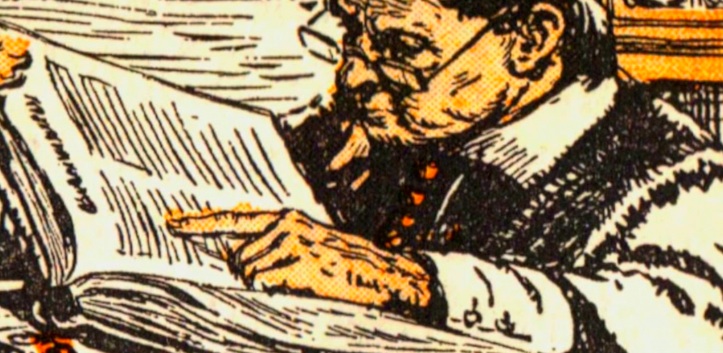
Understanding the signs present on beehive frames is crucial for successful beekeeping. By carefully observing these signs, beekeepers can make informed decisions about the health and productivity of their colonies. This section will delve into specific techniques for interpreting queen presence, pollen and nectar storage, and the age and health of bees based on frame observations.
Interpreting Signs of Queen Presence
The presence of a healthy queen can be indicated by several signs found on the frames. Key observations include:
- Eggs and Larvae: The presence of eggs in the cells, which resemble small grains of rice, is a strong indicator of a queen in the hive. Additionally, larvae that are creamy white and curled in their cells further confirm queen activity.
- Brood Pattern: A consistent and compact brood pattern indicates a productive queen. Look for frames with brood in various stages—eggs, larvae, and capped brood. An irregular pattern may suggest queen issues.
- Frame Activity: High levels of bee activity on frames, particularly around brood areas, often suggest that the queen is present and laying eggs. Observe the behavior of the bees; a calm hive typically indicates a healthy queen.
Pollen and Nectar Storage on Frames
Pollen and nectar storage is vital for the hive’s nutrition and food supply. The following aspects are important to assess:
- Pollen Storage: Frames containing pollen should display a range of colors, indicating the variety of plants visited by foragers. Pollen is generally stored in the cells near the brood to ensure availability for developing bees.
- Nectar Presence: Look for shiny, liquid-filled cells, which represent nectar storage. This nectar will eventually be converted to honey, and its presence is crucial, especially during nectar flow periods.
- Comb Structure: The condition of the comb can also indicate the hive’s ability to store food. Healthy, well-constructed comb signifies an efficient foraging process, while any signs of damage may indicate underlying issues.
Recognizing the Age and Health of Bees
Observing the bees on the frames can provide valuable insights into their age and health. Important indicators include:
- Bee Size and Color: Younger bees tend to be smaller and have a lighter coloration, while older bees are generally larger and darker. This distinction can help beekeepers assess the population dynamics within the hive.
- Behavioral Patterns: Healthy bees demonstrate high energy levels, engaging in foraging, grooming, and proper hive maintenance. Conversely, lethargic bees or those exhibiting abnormal behavior may signal health issues.
- Presence of Varroa Mites: Inspect for signs of Varroa mite infestation, which can affect bee health. An increased number of mites can lead to weakened colonies and should be addressed promptly.
Documenting Frame Observations

Effective documentation of frame observations is vital for beekeepers seeking to maintain healthy hives and optimize productivity. Through detailed record-keeping, beekeepers can track changes over time, identify trends, and make informed decisions that enhance hive management practices. Proper documentation not only aids in understanding the current state of the hive but also serves as a valuable resource for future inspections and interventions.
A systematic approach to documenting findings from frame inspections is essential. Various methods exist, ranging from simple note-taking to using advanced digital tools. It is important to select a method that aligns with your beekeeping practices and provides clarity and accessibility for future reference.
Methods for Documenting Findings
Several effective methods can be employed to document frame observations. Each method has its own advantages, and selecting the right one will depend on individual preferences and available resources. Below are some common techniques for documentation:
- Handwritten Journals: Using a dedicated notebook for frame inspections allows for easy access and personal touch. A handwritten journal can include sketches, observations, and notes regarding frame conditions.
- Digital Spreadsheets: Spreadsheets can facilitate organization and analysis of data over time. Columns can be created for dates, frame conditions, and any treatments applied.
- Mobile Applications: Various beekeeping apps are available that assist in logging observations directly from a smartphone. These apps often include features for reminders and trend analysis.
- Photography: Capturing images of frames during inspections can provide visual records that complement written notes. This method can be particularly helpful in identifying issues or changes over time.
To ensure consistency and thoroughness, utilizing a standardized template for tracking frame conditions is beneficial. Below is an example of a simple table format for recording frame observations:
| Date | Frame Number | Condition | Contents | Notes |
|---|---|---|---|---|
| YYYY-MM-DD | 1 | Healthy | Honey, brood | Normal activity observed. |
| YYYY-MM-DD | 2 | Damaged | Empty | Consider replacing frame. |
Using Observations for Future Hive Management Decisions
The documentation of frame observations plays a crucial role in guiding future hive management strategies. By analyzing recorded data, beekeepers can make informed decisions regarding hive health, productivity, and necessary interventions. Observations can indicate trends such as the presence of pests, disease outbreaks, or fluctuations in honey production.
The following points illustrate how documented findings can influence management practices:
- Identifying Patterns: Consistent documentation allows beekeepers to recognize recurring issues, enabling proactive measures rather than reactive responses.
- Evaluating Treatment Efficacy: By tracking the outcomes of interventions, such as medications or nutritional supplements, beekeepers can determine their effectiveness and modify their approach accordingly.
- Planning for Seasonal Changes: Observations can inform beekeepers about seasonal trends, helping to prepare for periods of low activity or increased nectar flow.
- Enhancing Educational Practices: Records can serve as a learning tool, encouraging new beekeepers to understand the dynamics of their hives and the importance of regular inspections.
Through diligent documentation of frame observations, beekeepers not only enhance their management capabilities but also contribute to the overall health and productivity of their hives.
Utilizing Technology in Frame Inspection
The integration of technology in beekeeping has revolutionized the way beekeepers manage their hives, particularly in frame inspection. With advancements in tools and applications, beekeepers can now conduct thorough inspections more efficiently, ensuring the health and productivity of their colonies. Utilizing these technologies provides a comprehensive view of hive conditions, enabling proactive measures for the wellbeing of bees.Several tools and applications have emerged to assist in frame inspections and data recording, enhancing the overall beekeeping experience.
These technologies not only streamline the inspection process but also facilitate better data management and analysis. The following are some notable examples of tools and applications that have gained popularity among modern beekeepers:
Tools and Applications for Frame Inspection
The use of specific tools and applications can significantly elevate the standards of frame inspection. Here are some noteworthy options:
- BeePlus: A mobile app that allows beekeepers to document hive inspections, track the health of bees, and create reports. Its user-friendly interface simplifies the recording process.
- Hive Tracks: This web-based platform offers a comprehensive suite for hive management. Beekeepers can log inspections, monitor hive conditions, and share data with other users.
- Beekeeper’s Journal: A digital journaling tool that enables beekeepers to record their observations and findings in a structured manner, helping to identify trends over time.
- Thermal Cameras: These devices provide thermal imaging to detect temperature variations within the hive, offering insights into bee activity and potential issues like queenlessness or disease.
- Smart Hive Scales: By monitoring the weight of hives, these scales allow beekeepers to assess honey production and hive health without opening the hive.
The advantages of utilizing technology in beekeeping are manifold, as they contribute significantly to enhancing traditional practices. Here are some key benefits:
Benefits of Technology in Beekeeping
The adoption of technological solutions in beekeeping has resulted in improved efficiency and effectiveness in managing hives. Below are some notable advantages:
- Data Accuracy: Technology minimizes human error by providing precise measurements and observations, leading to more reliable data collection.
- Time Efficiency: Automated tools reduce the time needed for inspections, allowing beekeepers to focus on other essential tasks.
- Real-time Monitoring: Many devices offer live data, enabling immediate responses to any issues that may arise within the hives.
- Enhanced Learning: Beekeepers can analyze data over time to understand patterns, thereby improving their practices and decision-making processes.
- Collaboration Opportunities: Technology facilitates the sharing of information and experiences among beekeepers, fostering a community of learning and support.
Numerous beekeepers have shared their success stories concerning the integration of technology into their operations. For instance, a beekeeper in California reported that using smart hive scales helped them identify problematic hives early, resulting in improved honey yields and healthier colonies. Another beekeeper from the Midwest emphasized the importance of using apps like Hive Tracks for streamlined documentation, which allowed them to make informed decisions based on historical data rather than guesswork.
“Technology is not just a tool; it is a partner in our journey towards sustainable beekeeping.”
Such experiences illustrate that the thoughtful application of technology in frame inspection not only enhances the efficiency of beekeeping but also contributes positively to the health of bee populations and the broader ecosystem.
Outcome Summary

In conclusion, understanding how to read the frames of a beehive is crucial for effective beekeeping and the health of your bees. By applying the techniques discussed, you will enhance your ability to monitor your hive and address any concerns that may arise. Armed with this knowledge, you are better prepared to make informed decisions that will benefit both your beekeeping journey and the colony’s well-being.