How to Reverse Hive Bodies for Spring Management is an essential practice that not only enhances bee health but also optimizes honey production. As the spring season approaches, beekeepers are faced with the opportunity to invigorate their hives through the strategic reversal of hive bodies. This process requires careful timing and a thorough understanding of the principles that govern bee activity and hive dynamics.
By exploring the benefits of hive body reversal, the necessary tools, and a step-by-step guide, this discussion aims to equip beekeepers with the knowledge to execute this task effectively. Emphasizing the importance of monitoring and maintenance, we will delve into common pitfalls to avoid and the variations in methods suited for different hive types. Additionally, we will consider the impact of seasonal changes and climate on hive management, providing a comprehensive overview of this essential beekeeping practice.
Importance of Hive Body Reversal in Spring Management
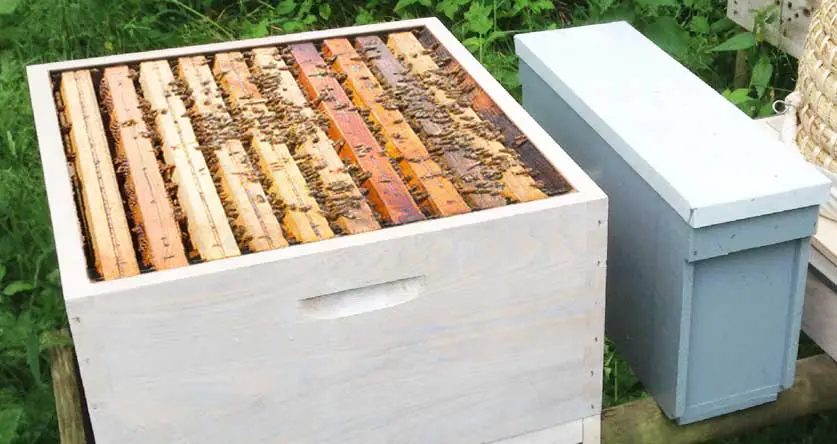
The reversal of hive bodies is a crucial practice in beekeeping, particularly during the spring season. This technique not only promotes the health and vitality of bee colonies but also enhances honey production. Understanding the benefits and proper timing of hive body reversal helps beekeepers manage their hives more effectively as the bees emerge from winter and prepare for the active foraging season.Reversing hive bodies involves swapping the positions of the upper and lower boxes in a hive.
This technique can stimulate the queen’s egg-laying activity and help maintain a balanced temperature within the hive. When the upper box, which is typically where the brood is raised, is moved to the bottom, it encourages the colony to expand and occupy the lower space. This process is vital for ensuring that the colony has adequate room for growth as they transition into the warmer months.
Benefits of Reversing Hive Bodies for Bee Health
The practice of hive body reversal directly contributes to the overall health of the bee colony. It provides several significant advantages, which include:
- Encouragement of Queen Activity: Reversing the hive bodies can increase the queen’s egg-laying, resulting in a more robust brood population.
- Prevention of Swarming: By creating more space for the bees, the risk of swarming is reduced, leading to a more stable colony.
- Improved Temperature Regulation: The movement of boxes helps in maintaining optimal hive temperatures, which is essential for brood development.
- Enhanced Foraging Efficiency: With more space to grow, colonies can better utilize foraging opportunities, leading to increased food stores.
Influence on Honey Production
The method of hive body reversal can significantly affect honey production levels. A strong, healthy colony that is actively laying eggs and expanding its population is often better positioned to gather nectar and produce honey. The relationship between hive management and honey yield includes several key factors:
- Increased Colonization: A thriving colony is more likely to capitalize on nectar flows, leading to increased honey stores.
- Efficient Space Utilization: By reversing the boxes, beekeepers can ensure that bees have ample room to store honey, preventing congestion within the hive.
- Potential for Multiple Honey Supers: As the colony expands, beekeepers can add honey supers sooner, maximizing honey production throughout the season.
Timing and Conditions Suitable for Hive Body Reversal
The timing of hive body reversal is critical for ensuring its effectiveness. Beekeepers should consider the following conditions when planning to reverse hive bodies:
- Spring Warmth: The ideal time is when temperatures consistently rise above 50°F (10°C), as this encourages bee activity.
- Brood Presence: Reversal should occur when there is sufficient brood present in the upper box, indicating a growing population.
- Nectar Flow: It is advantageous to reverse before or during the early nectar flow to capitalize on the bees’ foraging activities.
Tools and Materials Required
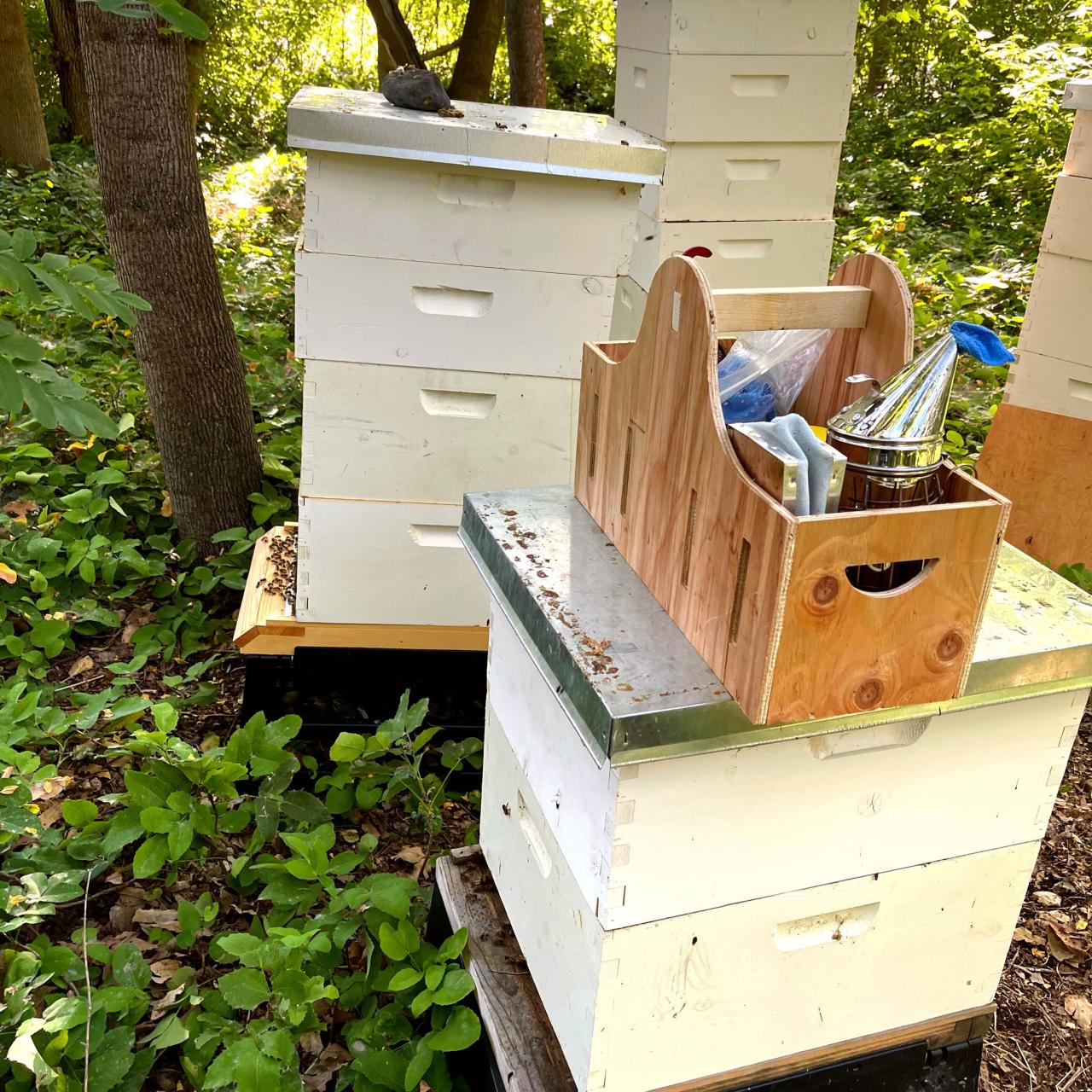
Successful hive management, especially during the spring season, necessitates a well-prepared toolkit and the right materials at hand. These not only facilitate the hive body reversal process but also enhance the overall efficiency of managing bee colonies as they emerge from winter. Inadequate preparation can lead to delays and increased stress for both the beekeeper and the bees.To effectively reverse hive bodies, it is essential to gather specific tools and materials that will streamline the process.
Utilizing the correct equipment not only promotes safety but also ensures that the hive is managed properly and efficiently. Below is a curated list of tools and materials to have ready before undertaking hive body reversal.
Essential Tools for Hive Body Reversal
The following tools are crucial for reversing hive bodies, each serving a distinct purpose in the management process:
- Bee Suit: Provides protection against stings while working with the hives.
- Gloves: Essential for safeguarding hands during hive inspections and manipulations.
- Smoker: Helps calm bees, making it easier to open the hive without aggressive behavior.
- Hive Tool: A multifunctional tool used for prying apart hive bodies, scraping, and lifting frames.
- Frame Grip: Aids in securely holding and lifting frames during inspections.
- Feeder: Useful for providing supplemental food to bees during early spring if necessary.
- Hive Scale (optional): Assists in monitoring the weight of the hive, indicating colony health and food stores.
Materials to Prepare
Having the right materials readily available is equally important to ensure a smooth operational process. The following materials should be prepared before starting the hive body reversal:
- New Hive Bodies: Ensure that you have additional hive bodies available for the reversal process.
- Foundation Sheets: These are necessary if you plan to replace old or damaged comb.
- Bee Food (sugar syrup or pollen patties): This may be required if food stores are low as the bees come out of winter.
- Propolis Traps: Useful for managing excess propolis during spring cleanouts.
- Labels: Important for marking hives and frames for better organization.
Tips for Organizing Tools Efficiently
An organized workspace significantly enhances hive management efficiency. Here are some practical tips to consider when organizing tools for quick access during hive management:
- Tool Belt or Apron: Use a tool belt or apron to keep essential tools within reach while working.
- Tool Box/Container: Store tools in a dedicated box or container to keep them protected and easy to find.
- Labeling System: Consider labeling tool compartments to identify items quickly.
- Designated Work Area: Create a specific area for hive management to minimize distractions and streamline your workflow.
- Pre-Inspection Checklist: Prepare a checklist to ensure all tools and materials are accounted for before heading to the apiary.
“Proper organization of tools and materials can reduce time spent on hive management and improve the overall experience for both beekeeper and bees.”
Step-by-Step Procedure for Reversing Hive Bodies
Reversing hive bodies is a crucial task in beekeeping, especially in spring management. This process ensures that the queen has ample space for laying eggs and helps maintain the health and productivity of the colony. By following a systematic approach, beekeepers can minimize disturbances to the bees and optimize hive conditions.The following steps provide a comprehensive guide for successfully reversing hive bodies, ensuring that all necessary precautions are taken to manage the bees safely and effectively.
Preparation for Hive Body Reversal
Before beginning the hive body reversal process, it is essential to prepare both yourself and the hive. This preparation includes gathering the necessary tools and ensuring that you approach the hive with caution.
- Gather Tools and Materials: Ensure that you have all necessary tools, including a smoker, hive tool, bee brush, protective gear, and a honey container.
- Inspect the Hive: Check for signs of disease or pests. If any issues are identified, address them before proceeding with the reversal.
- Choose the Right Timing: Opt for a day when the weather is mild and bees are less active, ideally in the morning or late afternoon.
Step-by-Step Process
Following these steps will facilitate a smooth and safe hive body reversal. Each step is designed to minimize stress for both the beekeeper and the bees.
- Smoke the Hive: Use a smoker to gently puff smoke at the entrance and into the hive to calm the bees. This is crucial to reduce aggression during manipulation.
- Remove the Top Hive Body: Carefully lift the top box using your hive tool. If using a two-queen system, ensure you recognize which box houses the queen.
- Inspect the Frames: Check the frames in the top box for brood patterns and honey stores. This assessment will guide your next steps and inform you of the colony’s health.
- Reorganize the Boxes: Place the top box at the bottom of the stack and the bottom box on top. If you notice a strong brood pattern, consider placing that box on top to provide the queen with space for egg-laying.
- Replace Frames: Ensure that frames are placed back into the hive in the same order they were removed. Label any frames that contain brood or honey for future reference.
- Close the Hive: Securely close the hive, ensuring that all bees are inside and the entrance is not blocked.
- Monitor the Colony: After completing the reversal, observe the hive for a few days to ensure that the bees are adjusting well to their new configuration.
Safety Precautions
Handling hives can be unpredictable, and it is vital to prioritize safety for both the beekeeper and the bees.
- Wear Protective Gear: Always wear a bee suit, gloves, and a veil to protect against stings.
- Stay Calm and Gentle: Move slowly and deliberately when handling the hive to avoid startling the bees.
- Have a Stinging Plan: Be prepared for stings by having antihistamines or a first-aid kit nearby.
Checklist for Hive Body Reversal
Implementing a checklist can help ensure that all steps are followed systematically and that nothing is overlooked during the process.
- Tools and materials collected
- Hive inspected for pests and diseases
- Weather conditions suitable
- Hive smoked before beginning
- Top hive body removed carefully
- Frames inspected and reorganized
- Hive closed securely
- Colony monitored post-reversal
Common Mistakes to Avoid
During the process of reversing hive bodies for spring management, beekeepers often encounter certain pitfalls that can negatively affect their colonies. Recognizing and addressing these common mistakes is essential for maintaining healthy hives and ensuring successful honey production.Inadequate preparation and execution can lead to stress on the bees, disrupted brood patterns, and even loss of queen bees. By understanding these typical errors and their potential consequences, beekeepers can adopt corrective measures to maintain the stability and productivity of their colonies.
Failure to Inspect for Queen Presence
One significant mistake that beekeepers make during hive body reversal is neglecting to confirm the presence of the queen before proceeding with the process. This oversight can lead to dire consequences, including the accidental crushing of the queen or the disruption of her brood. To mitigate risks associated with this mistake, the following measures are recommended:
- Always perform a thorough inspection of the hive prior to the reversal. Ensure the queen is visible and unharmed.
- If the queen is not found, delay the reversal until she is located, or consider requeening to prevent potential colony collapse.
- Take notes on brood patterns and overall hive health during inspections to inform future management decisions.
Ignoring the Condition of Hive Frames
Another common error occurs when beekeepers overlook the condition of the frames while reversing hive bodies. Damaged or excessively worn frames can compromise the hive’s structural integrity and negatively impact bee behavior. Addressing frame condition is crucial for ensuring a productive hive environment. Steps to take include:
- Inspect frames for wear and tear, including cracks or excessive buildup of propolis.
- Replace damaged frames with new or repaired ones to maintain a healthy environment.
- Utilize durable materials that can withstand the demands of beekeeping, thereby minimizing future issues.
Rushing the Reversal Process
Hastiness in performing the hive body reversal can lead to multiple errors, including misalignment of components and inadequate attention to the needs of the bees. Rushing the process can result in increased stress on the colony and poor hive management. To avoid this pitfall, beekeepers should:
- Allocate sufficient time for the reversal, allowing for careful observation and adjustments as needed.
- Conduct the process during optimal weather conditions to minimize stress on the bees.
- Engage in a systematic approach, ensuring each step of the reversal is executed thoughtfully.
Failing to Maintain Hygiene
Neglecting hygiene during the hive body reversal can introduce pathogens and pests into the hive, jeopardizing the health of the bees. Maintaining cleanliness is paramount in promoting a stable hive environment. Recommended practices include:
- Clean tools and equipment thoroughly before and after use to prevent contamination.
- Consider implementing a regular cleaning schedule for hive components to reduce disease risk.
- Monitor the hive closely for signs of disease or pest infestations following the reversal.
“Ensuring proper management techniques during the hive body reversal process is essential for the sustainability of beekeeping practices.”
Monitoring and Maintenance After Reversal
After reversing hive bodies in the spring, it is crucial to closely monitor bee activity and perform necessary maintenance to ensure the health and productivity of the colony. This phase is critical as it allows beekeepers to identify any potential issues early on, thereby fostering a thriving beehive.Monitoring bee activity post-reversal is essential to understand how the colony is adapting to the new configuration.
Observing the behavior of bees can provide insights into their health and productivity levels. Regular inspections will help in assessing how well the bees are utilizing the newly positioned hive bodies.
Monitoring Bee Activity
It is important to establish a routine for observing the bees to track their activity and overall health. The following indicators can be monitored:
- Entrance Activity: Observing the entrance of the hive will reveal the amount of traffic, indicating the foraging efforts of the bees.
- Brood Development: Regularly checking for the presence of brood in the frames will provide information on the queen’s activity and the overall health of the colony.
- Honey Stores: Assessing the honey stores ensures that the bees have enough food to sustain themselves during periods when foraging is limited.
- Pollen Collection: Noticing the colors and quantities of pollen being brought in can indicate the diversity of foraging sources available to the bees.
Regular Maintenance Tasks
After the hive body reversal, several maintenance tasks are crucial to ensure the hive’s stability and productivity. These tasks should be performed consistently to promote a healthy environment for the bees.
- Cleaning Equipment: Regularly clean the hive components to prevent diseases and pests from taking hold.
- Monitoring for Pests: Keeping an eye out for signs of pests such as Varroa mites or wax moths is vital to maintain colony health.
- Adjusting Ventilation: Ensure proper ventilation is maintained to regulate temperature and humidity within the hive.
- Feeding: If natural foraging is limited, consider supplementing the bees with sugar syrup or protein patties to support their needs.
Inspection and Adjustment Schedule
Creating a schedule for inspections and adjustments is fundamental in managing the hive’s health post-reversal. A structured timeline helps ensure that no critical observation or maintenance task is overlooked.
| Week | Task | Details |
|---|---|---|
| Week 1 | Initial Check | Inspect for brood patterns, entrance activity, and overall colony behavior. |
| Week 2 | Pest Monitoring | Check for any signs of pests and diseases; adjust treatment protocols if necessary. |
| Week 3 | Honey and Pollen Stores | Assess food reserves and consider feeding if stores are low. |
| Week 4 | General Maintenance | Clean hive components and ensure proper ventilation; check for signs of moisture. |
Regular and attentive monitoring along with a structured maintenance schedule is vital following hive body reversal. This proactive approach will ultimately contribute to a successful and thriving beekeeping experience.
Variations in Methods Based on Hive Type
The methods used for hive body reversal can vary significantly depending on the type of hive setup. Different designs cater to diverse beekeeping practices and environmental conditions, necessitating tailored approaches to effectively manage hive bodies during the spring. This section addresses specific techniques for various hive types, such as Langstroth and Top-Bar hives, evaluating the effectiveness of each method and offering necessary adjustments for unique hive structures.
Langstroth Hive Techniques
Langstroth hives are widely recognized for their modular design, allowing for easy manipulation of hive bodies. When reversing hive bodies in a Langstroth setup, beekeepers typically employ the following techniques:
- Standard Reversal Method: Simply switch the top and bottom hive bodies. This method promotes better queen movement and encourages the bees to occupy the upper space as temperatures rise. It is crucial to ensure that frames from both boxes are interchanged to maintain a consistent brood pattern.
- Frame Rotation: For hives with a lot of honey stores in the upper boxes, rotating frames can enhance access to food resources while allowing space for the queen to lay eggs. This technique is particularly effective in early spring when colonies are expanding.
- Observation and Timing: Monitoring the colony’s activity is vital. Wait until the bees show significant activity before making adjustments, as a cold snap can halt their progress.
Top-Bar Hive Techniques
Top-Bar hives present a different set of challenges and advantages. The design requires careful consideration during hive body reversal:
- Minimal Disruption: Unlike the Langstroth, reversing a Top-Bar hive should occur with minimal disturbance to the bees. Beekeepers can gently lift the bar containing brood and reposition it to the back of the hive while placing empty bars at the front to encourage expansion.
- Spacing Considerations: The spacing of bars is crucial. Ensure that bars are adjusted to allow for adequate airflow and prevent overcrowding, which can lead to stress and swarming.
- Bee Behavior Monitoring: Observing the bees’ reaction during the reversal process is important. If they exhibit defensive behavior, it may be beneficial to delay the reversal or perform smaller movements over several days to acclimate the colony.
Comparison of Effectiveness
Both hive types have unique strengths and weaknesses in terms of body reversal techniques.
| Hive Type | Technique | Effectiveness |
|---|---|---|
| Langstroth | Standard Reversal | Highly effective for promoting queen laying and colony expansion. |
| Top-Bar | Minimal Disruption | Effective for maintaining hive stability and encouraging brood expansion. |
Adjustments may be needed for unique hive structures, such as incorporating additional bars for Top-Bar hives to facilitate ease of access or utilizing a double-decker configuration in Langstroth hives to accommodate larger colonies.
“Tailoring the hive body reversal method to the specific type of hive setup maximizes colony health and productivity during the critical spring management period.”
Seasonal Considerations and Climate Impact
The timing and method of hive body reversal are significantly influenced by seasonal changes and local climate conditions. Understanding these factors is essential for effective spring management in beekeeping, as they dictate the health and productivity of the hive. Beekeepers must be attuned to their environment to optimize hive performance and ensure the well-being of their bee colonies.Different climates affect hive management practices, particularly hive body reversal.
In warmer climates, beekeepers may find that the bees start foraging earlier in the season, necessitating a timely reversal to prevent overcrowding and swarming. Conversely, in cooler climates, the reversal process may be delayed until the threat of frost has passed and temperatures consistently rise, allowing bees to thrive. Seasonal variations not only affect the timing but also the method employed for the reversal based on local flora and the behavioral patterns of the bees.
Indications of Readiness for Reversal
Identifying signs that indicate the readiness for hive body reversal is crucial for successful management. As the seasons change, specific indicators emerge that signal when it is time to take action. The following points Artikel key observations to consider:
- Increased foraging activity: As flowers bloom and nectar sources become available, heightened foraging activity typically indicates that bees are expanding their colony.
- Brood patterns: A noticeable increase in brood production, with capped and uncapped cells, suggests that the queen is actively laying eggs, signaling the hive’s growth.
- Honey stores: An evaluation of honey reserves will show whether the bees are packing honey into the upper boxes, which may necessitate a reversal to manage space effectively.
- Signs of swarming: Observing queen cells or a drop in hive activity can indicate that the bees may swarm if not given adequate space.
- Temperature fluctuations: As temperatures rise consistently, bees become more active and are likely ready for hive body reversal.
Regional best practices play a pivotal role in hive management, as they are tailored to the specific climatic conditions of an area. Different regions may have established protocols based on historical data and successful experiences among local beekeepers. For instance, in areas with milder winters, beekeepers might reverse hive bodies earlier in the spring, while those in regions with extended cold spells may delay actions until later in the season.
Communities often share knowledge about the best times for hive management, seasonal floral patterns that affect bee behavior, and local pest pressures that may impact colony health. Beekeepers are encouraged to engage with local associations and resources to stay informed about region-specific practices that optimize hive performance and ensure the sustainability of their bee populations.
Resources for Further Learning
Expanding your knowledge of hive management is essential for every beekeeper, whether you are a novice or an experienced apiarist. A wealth of resources is available that can enhance your understanding of hive body reversal and other vital beekeeping practices. Engaging with literature, reputable websites, and beekeeping associations can significantly improve your skills and knowledge.Local beekeeping associations play a crucial role in knowledge sharing.
These groups often provide valuable workshops, hands-on training, and networking opportunities. Being part of a community allows beekeepers to share their experiences, challenges, and successes regarding hive management.
Books, Articles, and Websites
Below is a selection of resources that can contribute to your understanding of hive management and the specifics of hive body reversal.
- The Beekeeper’s Bible: Bees, Honey, Recipes & Other Home Uses by Richard A. Jones and Sharon Sweeney-Lynch – This comprehensive guide covers various aspects of beekeeping, including hive management techniques.
- Beekeeping for Dummies by Howland Blackiston – A user-friendly introduction to beekeeping that touches on hive body management and seasonal strategies.
- The Buzz about Bees: Biology of a Superorganism by Jürgen Tautz – This book delves into the biology of bees and the importance of proper hive management practices.
- American Bee Journal
-A respected publication featuring articles on the latest research and practices in beekeeping. - Bee Culture Magazine
-This periodical offers insights into expert advice and techniques in hive management. - BeeSource.com
-A comprehensive online resource with articles, forums, and educational programs aimed at beekeepers.
Local Beekeeping Associations
Joining local beekeeping associations provides numerous benefits for both new and experienced beekeepers. These organizations offer structured learning environments and access to seasoned mentors who can offer guidance on hive management practices.
- Access to workshops and seminars that cover various aspects of beekeeping, including hive body reversal techniques.
- Networking opportunities with other beekeepers, fostering a supportive community for sharing experiences and solutions to common problems.
- Local events where beekeepers can gather to discuss seasonal challenges, best practices, and innovations in hive management.
- Resources such as newsletters, journals, and online forums that provide ongoing education and updates on beekeeping trends.
Experiences and Testimonials from Seasoned Beekeepers
Hearing from experienced beekeepers can provide valuable insights into the practice of hive body reversal and its impact on successful hive management. Testimonials often highlight practical experiences and lessons learned throughout their beekeeping journeys.
“Reversing hive bodies in the spring has transformed my beekeeping practice. By elevating the brood nest early, I’ve seen healthier colonies and increased honey production.” – Jane Doe, 10 years of beekeeping experience.
“The community I found through my local beekeeping association has been invaluable. Sharing knowledge about hive management has made a huge difference in my success as a beekeeper.” – John Smith, seasoned apiarist.
These resources and shared experiences will empower beekeepers to implement effective hive management strategies, ensuring the health and productivity of their colonies.
Final Wrap-Up
In conclusion, mastering the technique of hive body reversal is crucial for maintaining a healthy and productive bee colony as spring unfolds. With proper planning, organization, and awareness of common mistakes, beekeepers can significantly enhance their hives’ performance and honey yield. By continuously monitoring bee activity and adapting to seasonal changes, one can ensure a thriving environment for bees and an enjoyable beekeeping experience.