How to Clean and Maintain Your Beekeeping Equipment is essential knowledge for every beekeeper looking to ensure the health of their bees and the quality of their honey. Cleanliness plays a pivotal role in preventing disease within the hive, and using unclean tools can lead to detrimental consequences for both bees and honey production. By understanding the importance of maintaining clean equipment, beekeepers can enhance hive productivity and promote the overall well-being of their bees.
This guide will provide you with comprehensive steps on the best practices for cleaning various types of beekeeping equipment, essential supplies, and safety measures to protect both you and your bees during the process. From creating a seasonal maintenance checklist to troubleshooting common issues, this resource aims to equip you with the knowledge to care for your beekeeping tools effectively.
Importance of Cleaning Beekeeping Equipment
Maintaining cleanliness in beekeeping equipment is crucial for the health of both the bees and the beekeeper’s practices. Properly cleaned equipment helps to create an optimal environment for bees, ensuring their well-being and maximizing productivity. This section delves into the importance of cleanliness, the risks associated with unclean equipment, and the benefits that come from regular maintenance.
Significance of Cleanliness for Bee Health
Clean beekeeping equipment serves as a barrier against diseases that can adversely affect bee colonies. Bees are susceptible to various pathogens, pests, and diseases which can be transmitted through contaminated tools and surfaces. Therefore, maintaining clean equipment is vital in preventing the spread of these threats. Some key considerations include:
-
Pathogen Prevention:
Regular cleaning reduces the risk of disease spread, protecting the hive and promoting colony health.
-
Reduced Pest Infestation:
Clean tools and equipment help prevent attracting pests that can compromise hive integrity.
-
Improved Bee Immunity:
Healthy colonies with minimal exposure to pathogens tend to exhibit stronger immunity against diseases.
Risks of Using Unclean Equipment
Utilizing unclean beekeeping equipment can introduce various risks that may endanger bee populations and the overall sustainability of beekeeping practices. Such risks include:
-
Contamination:
Leftover residues from previous harvests may harbor harmful chemicals or pathogens.
-
Loss of Colony Strength:
Dirty equipment can lead to weakened colonies, increasing vulnerability to environmental stressors.
-
Legal and Ethical Implications:
Failure to maintain equipment may result in non-compliance with local regulations regarding bee health and safety.
Benefits of Maintaining Clean Equipment
The advantages of keeping beekeeping equipment clean are numerous and have a positive impact on both honey quality and hive productivity. Cleanliness not only fosters a healthy environment for bees but also enhances the overall efficiency of beekeeping operations. Some of the benefits include:
-
Higher Honey Quality:
Clean equipment ensures that honey is harvested without contaminants, leading to a purer product.
-
Increased Hive Productivity:
Bees thrive in clean environments, leading to increased honey production and healthier colonies.
-
Longer Equipment Lifespan:
Regular maintenance can extend the life of equipment, reducing long-term costs for beekeepers.
Essential Cleaning Supplies
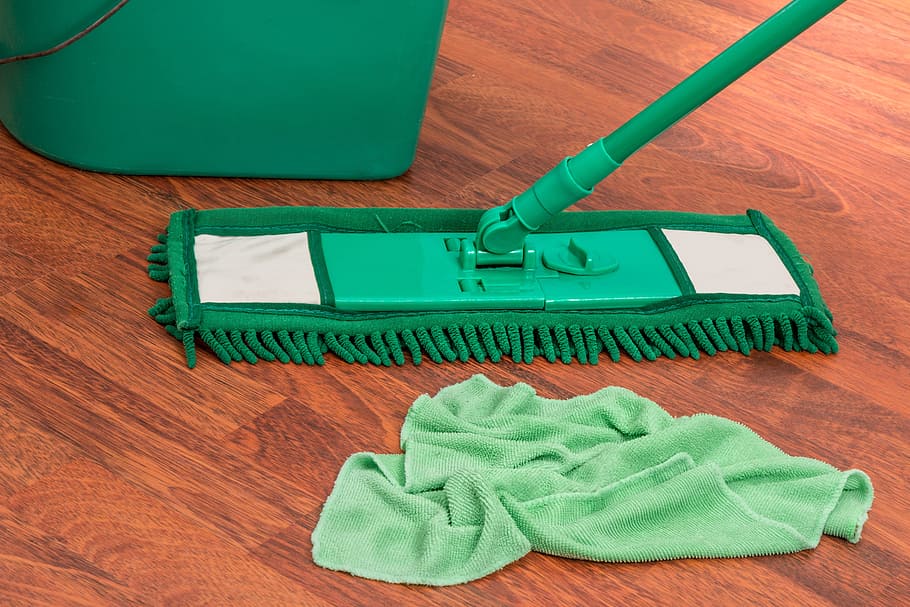
Cleaning and maintaining beekeeping equipment is crucial for the health of both the bees and the beekeeper. Utilizing the right cleaning supplies ensures that all tools and equipment are free from contaminants that could harm the hive or the honey produced. This section Artikels the essential cleaning supplies needed for beekeeping and discusses their effectiveness.
Necessary Cleaning Supplies
A comprehensive set of cleaning supplies is essential for effective beekeeping maintenance. These supplies not only help remove residues and contaminants but also prolong the life of the equipment. Below is a list of necessary cleaning supplies for beekeeping:
- Water: The primary solvent for diluting cleaning agents and rinsing equipment.
- Brushes: Different sizes are essential for scrubbing frames, hives, and tools, ensuring no debris remains.
- Sponges and Cloths: Soft materials are best for wiping down surfaces without scratching.
- Scrapers: Useful for removing wax and propolis buildup from frames and hive bodies.
- Bucket: A container for soaking equipment in cleaning solutions.
- Protective Gloves: Necessary for protecting hands while cleaning, especially when using strong cleaning agents.
Effective Cleaning Agents
Choosing the right cleaning agents is crucial for ensuring that beekeeping equipment is sanitized without leaving harmful residues. The effectiveness of these agents varies, and some are more suitable for specific tasks than others.
- Soap and Water: A basic yet effective cleaning solution for general cleaning. It effectively removes dirt and residues.
- Vinegar: A natural disinfectant that can kill bacteria and mold while being safe for bees when used in proper concentrations.
- Hydrogen Peroxide: This agent is effective in sanitizing equipment, killing pathogens, and is safe when thoroughly rinsed.
- Bleach: While effective at sterilization, it should be used cautiously and rinsed thoroughly, as residues can be harmful to bees.
Sourcing Eco-Friendly Cleaning Products
Selecting eco-friendly cleaning products is vital in beekeeping. These products minimize environmental impact and ensure that the equipment remains safe for bees. Tips for sourcing these products include:
- Look for products labeled as biodegradable and non-toxic, ensuring they are safe for both bees and the environment.
- Consider using vinegar and baking soda as natural alternatives, which are effective and non-harmful.
- Seek out local suppliers who specialize in organic or eco-friendly cleaning supplies, supporting local businesses while obtaining safe products.
- Research brands that prioritize sustainability and have transparent ingredient lists, ensuring you know what you are using.
“Using eco-friendly cleaning products not only protects the bees but also contributes to a healthier environment.”
Steps to Clean Different Types of Equipment
Maintaining cleanliness in your beekeeping equipment is essential for the health of your bees and the quality of the honey produced. Proper cleaning procedures not only prolong the lifespan of your tools but also help prevent the spread of diseases within your colonies. Here we Artikel the detailed steps for cleaning various types of beekeeping equipment, ensuring you have all the necessary tools and methods at your disposal.
Cleaning Hives and Woodenware
Cleaning hives and woodenware is a vital part of beekeeping maintenance. It helps to remove debris, wax, and potential pathogens that can harm the bees. The following steps Artikel the recommended procedure for effectively cleaning these items:
1. Gather Required Tools
A hive tool for prying apart hive boxes
A stiff brush or scraper for removing propolis and wax
A bucket for cleaning solutions
A pressure washer (optional) for deep cleaning
Scrubbing sponge or cloth
Vinegar or a mild soap solution for disinfection
2. Disassemble the Hive
Carefully remove the roof, supers, and brood boxes.
Inspect each component for damage and repair if necessary.
3. Remove Debris
Use the hive tool and stiff brush to remove any propolis, wax, and bee debris from all surfaces.
Pay special attention to corners and crevices.
4. Wash the Components
Submerge woodenware in a bucket with a mixture of warm water and mild soap.
Scrub all surfaces, ensuring the removal of any residues.
5. Rinse and Dry
Rinse the components thoroughly with clean water to remove soap residue.
Allow the items to air dry completely before reassembling.
6. Sanitize
Use a vinegar solution to further sanitize the woodenware.
Spray the solution on the cleaned surfaces and let it sit for a few minutes before rinsing.
Sanitizing Tools
Proper sanitation of tools such as hive tools, smokers, and bee brushes is crucial to prevent the transfer of pathogens between colonies. Below is a methodical approach for sanitizing these essential tools:
1. Preparation
Collect all tools that require sanitization.
Ensure the workspace is clean and free from contaminants.
2. Cleaning the Tools
Use warm, soapy water to wash each tool thoroughly, removing any wax, honey, or debris.
For hive tools, make sure to scrape off any propolis or residue.
3. Sanitizing Solutions
Prepare a sanitizing solution using a mixture of one part bleach to nine parts water, or use a commercial sanitizer designed for beekeeping.
Ensure the area is well-ventilated, especially when using bleach.
4. Sanitization Process
Submerge the tools in the sanitizing solution for at least 10 minutes.
Alternatively, you can spray the solution on the surfaces, ensuring complete coverage.
5. Rinse and Dry
Rinse thoroughly with clean water to eliminate any chemical residue.
Allow tools to dry completely before storage.
Cleaning Protective Gear
Maintaining cleanliness for protective gear is essential for the safety and comfort of the beekeeper. Regular cleaning ensures that the gear remains effective and pleasant to wear. The following steps provide a comprehensive method for cleaning bee suits and gloves:
1. Preparation for Cleaning
Check that all zippers and Velcro closures are secured to prevent snagging during washing.
Shake off any loose debris before proceeding.
2. Washing Bee Suits
Use a washing machine or hand wash with cold water and a mild detergent.
Avoid using bleach or fabric softeners, which can degrade the material.
3. Drying Bee Suits
Air dry the bee suit to maintain its shape and integrity.
Do not use a dryer as it may shrink or damage the fabric.
4. Cleaning Gloves
Rinse gloves with warm water to remove any dirt or honey.
Use a soft sponge with mild soap to gently clean the surfaces.
5. Sanitizing Gloves
Create a sanitizing solution with alcohol wipes or a bleach solution.
Wipe the gloves thoroughly, ensuring that all surfaces are disinfected.
6. Drying Gloves
Hang the gloves to dry in a shaded area to prevent cracking from direct sunlight.
Regular cleaning and maintenance of beekeeping equipment not only ensure the health of your bees but also enhance the overall efficiency of your beekeeping operations.
Maintenance Practices for Longevity
Regular maintenance of beekeeping equipment is essential for ensuring its longevity and functionality. Implementing systematic care practices can prevent costly replacements and enhance the efficiency of your beekeeping operations. This section Artikels important maintenance routines, identifies signs of wear and tear, and offers storage tips to protect your equipment during the off-season.
Regular Maintenance Routines
Establishing regular maintenance routines allows beekeepers to ensure their equipment remains in optimal condition. Consider the following practices:
- Inspect equipment regularly: Conduct a thorough inspection of your hives, tools, and protective gear at least once a month. Look for any signs of damage, rust, or wear.
- Lubricate moving parts: Ensure that any moving components of your tools, such as hive tools and extractors, are well-lubricated to prevent friction and wear.
- Repair or replace damaged items promptly: Address any broken or worn equipment immediately to prevent further damage or injury. For example, replace cracked frames or broken queen excluders.
- Clean tools after each use: Regularly cleaning your tools, especially after working with different colonies, helps prevent the spread of diseases and pests.
Signs of Wear and Tear
Recognizing signs of wear and tear on your equipment is crucial for maintaining its functionality. Key indicators include:
- Rust on metal components: Rust can compromise the integrity of tools and hive components. Sand or repaint affected areas to restore them.
- Cracks or splits in wooden hives: These can lead to structural failure. Repair or replace damaged wood to maintain hive integrity.
- Worn-out protective gear: Inspect gloves, suits, and veils for holes or tears. Replace damaged gear to ensure safety during inspections.
- Difficulty in operation: If tools such as smokers or extractors become difficult to operate, they may need maintenance or repair.
Proper Storage Practices
Storing beekeeping equipment properly during the off-season is critical to prolonging its life. Follow these tips for effective storage:
- Clean equipment thoroughly: Ensure that all equipment is cleaned and dried before storage to prevent mold and attract pests.
- Store in a dry, climate-controlled environment: Avoid areas with high humidity or extreme temperatures to prevent deterioration.
- Organize equipment systematically: Keep tools and supplies organized in labeled bins or shelves to prevent damage and make retrieval easier in the next season.
- Protect against pests: Use sealed containers or bags to keep small tools and materials safe from rodents and insects.
“Regular inspections and timely repairs can save beekeepers money and enhance the productivity of their hives.”
Safety Measures During Cleaning
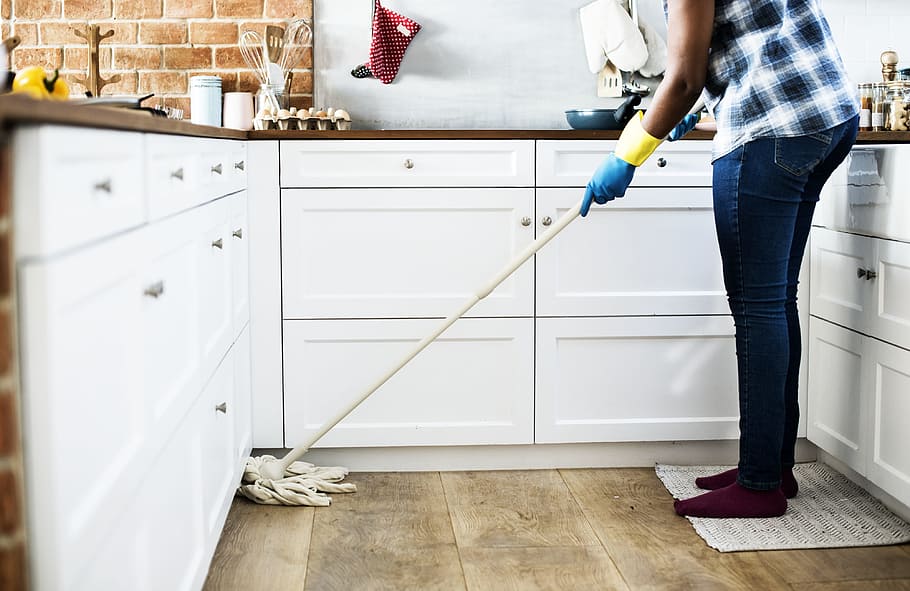
Cleaning and maintaining beekeeping equipment is crucial not only for the health of the bees but also for the safety of the beekeeper. Implementing proper safety measures during this process ensures that potential hazards are minimized, protecting both the individual and the equipment. The following Artikels essential safety precautions to observe while cleaning beekeeping tools and implements.
Protective Gear for Cleaning Agents
When handling cleaning agents, it is imperative to wear appropriate protective gear to safeguard against chemical exposure. Certain cleaning agents may contain harsh substances that can irritate the skin or respiratory tract. Recommended protective gear includes:
- Gloves: Use chemical-resistant gloves to protect hands from skin contact with cleaning solutions.
- Protective eyewear: Safety goggles or face shields prevent splashes from reaching the eyes, which can cause serious damage.
- Respirators or masks: When working in poorly ventilated areas or using strong solvents, wearing a mask can reduce inhalation of harmful fumes.
- Long sleeves and pants: Clothing that covers the skin minimizes the risk of chemical burns or irritation.
It is important to verify that all protective gear is in good condition before use, as damaged equipment can compromise safety.
Minimizing Risks During Cleaning Methods
Different cleaning methods can be employed to reduce risks associated with beekeeping equipment maintenance. Here are a few methods that are particularly effective:
- Hot water cleaning: Utilizing hot water mixed with mild soap can effectively clean equipment without the need for harsh chemicals, minimizing the risk to both the user and the bees.
- Natural cleaning agents: Substances like vinegar and baking soda serve as non-toxic alternatives to commercial cleaners, ensuring that the environment remains safe for bees and beekeepers alike.
- Steam cleaning: This method uses high-temperature steam to disinfect equipment, reducing the need for chemical agents while ensuring thorough sanitization.
- Soaking: Allowing equipment to soak in a non-toxic cleaning solution can soften residue and make removal easier, thus decreasing physical strain during scrubbing.
By carefully selecting cleaning methods and adhering to safety protocols, beekeepers can efficiently maintain their equipment while minimizing risk to their health and safety.
“Safety is not just a priority; it’s a necessity in beekeeping.”
Seasonal Cleaning and Maintenance Checklist
Regular cleaning and maintenance of beekeeping equipment are crucial for ensuring the health and productivity of your bees. With distinct seasonal changes, adapting your cleaning practices accordingly helps prevent wear and tear, disease, and pest issues. Each season presents unique conditions that can impact your equipment, prompting specific attention to various tasks.Maintaining a seasonal checklist can streamline your efforts, ensuring you do not overlook any important cleaning practices or maintenance tasks.
Below is a comprehensive seasonal checklist for your beekeeping gear.
Spring Cleaning and Maintenance Tasks
As the bees begin to emerge and the hive activity increases, spring is the ideal time for a thorough inspection and cleaning of your beekeeping equipment.
- Inspect all frames and combs for signs of damage or disease.
- Clean and sterilize hive tools and feeders to prevent contamination.
- Check the condition of your protective gear, replacing any worn-out items.
- Ensure that all hive components, such as bottom boards and supers, are clean and free from mold or pests.
Summer Cleaning and Maintenance Tasks
Summer brings increased activity in the hive, making it essential to keep equipment in optimal condition to support bee productivity.
- Regularly monitor hive health and cleanliness, removing any dead bees or debris.
- Inspect and clean entrance reducers and mouse guards to maintain proper ventilation.
- Wash and refill feeders regularly, ensuring they are clean to prevent fermentation.
- Check for signs of swarming or overpopulation and prepare additional equipment if necessary.
Autumn Cleaning and Maintenance Tasks
As the season changes and bees prepare for winter, it is crucial to perform maintenance tasks that focus on securing the hive for colder months.
- Remove and clean supers that are not needed for winter.
- Inspect and clean the hive tool set, ensuring they are rust-free and sharp.
- Apply a thorough cleaning of hive entrances to prevent pests and ensure good airflow.
- Check and seal any cracks in the hive, applying insulation if necessary.
Winter Cleaning and Maintenance Tasks
In winter, beekeeping activities are minimal, creating the perfect opportunity to conduct in-depth equipment cleaning.
- Disassemble and thoroughly clean all equipment, including hive boxes and frames.
- Store equipment in a dry and secure location to prevent damage from moisture.
- Evaluate and restock supplies, including replacement frames and tools.
- Perform a detailed inspection of stored equipment for any damage or degradation.
“Adapting cleaning practices according to seasonal changes ensures longevity and optimal performance of your beekeeping equipment.”
Troubleshooting Common Issues

Maintaining beekeeping equipment is essential for the overall health and productivity of both the bees and the beekeeper. However, even with diligent care, certain common issues can arise from improperly maintained equipment. Recognizing these problems early can prevent further complications and ensure the longevity of your tools.Regular inspections of your beekeeping equipment can help identify potential issues. Common problems include mold development on wooden components, rust on metal tools, and physical damage to essential implements like hive tools and smokers.
Addressing these issues promptly is crucial for ensuring safe and effective beekeeping practices.
Mold Development
Mold can become a significant issue, especially in humid environments, resulting in contaminated equipment that can harm bee health. Mold typically grows on wooden hives, frames, and even equipment left uncleaned or stored improperly.To combat mold growth, it is essential to regularly clean surfaces and ensure proper ventilation. If mold is present, it can be removed using a mixture of vinegar and water.
Apply the solution, scrub the affected area, and rinse thoroughly. To prevent mold from returning, always dry equipment completely after cleaning and store it in a cool, dry place.
Rust on Metal Tools
Rust can develop on any metal tools used in beekeeping, such as hive tools, smoker components, and protective gear, often due to moisture exposure. Rust not only degrades the tools but can also contaminate honey and other products.To address rust, it is advised to scrub affected areas with fine steel wool or a rust remover. After cleaning, it is essential to apply a light coat of food-grade oil to protect the metal.
Preventing rust requires storing tools in a dry location and keeping them clean and well-oiled after each use.
Damaged Tools
Damaged tools can hinder beekeeping operations and pose risks to both the bees and the beekeeper. Common damages include broken hive tools, cracked smokers, or torn protective clothing. To remedy a damaged tool, assess whether it can be repaired or if replacement is necessary. For instance, small cracks in hive tools may be filled or welded, while torn gloves should be patched or replaced entirely.
Regularly inspecting tools and replacing worn-out items is vital to avoid safety risks and ensure efficient beekeeping practices.
Preventative Measures
Implementing preventative measures can significantly reduce the likelihood of encountering the common issues discussed. By integrating specific practices into your beekeeping routine, you can prolong the lifespan of your equipment and maintain a healthy environment for your bees.Key preventative measures include:
- Regular cleaning of all equipment after each use to remove residues that can encourage mold and rust.
- Proper storage of equipment in a dry, well-ventilated space to minimize moisture exposure.
- Routine inspections for any signs of wear or damage, allowing for timely repairs or replacements.
- Applying protective coatings to metal tools and ensuring wooden components are treated with appropriate sealants.
- Investing in high-quality equipment that can withstand the rigors of beekeeping, reducing the frequency of replacements.
By actively engaging in these preventative practices, beekeepers can significantly mitigate issues associated with poorly maintained equipment, ensure the health of their bees, and promote a successful beekeeping experience.
Last Recap
In conclusion, the commitment to How to Clean and Maintain Your Beekeeping Equipment not only safeguards the health of your bees but also enhances your beekeeping experience. By implementing the maintenance routines discussed, utilizing effective cleaning supplies, and adhering to safety measures, you can ensure that your equipment remains in optimal condition for years to come. Remember, a clean and well-maintained hive is a thriving hive, ready to produce the finest honey and support the health of your bee population.