Delving into How to Educate Others About the Importance of Bees reveals a fascinating intersection of ecology and community engagement. Bees play a vital role in our ecosystem, primarily through their pollination activities, which are essential for the growth of many plants that sustain both wildlife and human agriculture.
Understanding the economic impact of bees on food production further emphasizes their significance, as they contribute billions to global agriculture. However, it is crucial to acknowledge the threats faced by bee populations worldwide, including habitat loss and pesticide use. This awareness sets the stage for educational initiatives that can empower communities to take action.
Importance of Bees

Bees play a pivotal role in both ecosystems and economies globally. Their contribution extends far beyond honey production; they are essential for the pollination of many crops and wild plants, which underpins food security and biodiversity. Understanding the importance of bees is critical to advocating for their protection and ensuring a sustainable environment for future generations.Bees are primary pollinators for a significant portion of the world’s flowering plants, including many that are vital for human consumption.
Approximately one-third of the food we consume relies on pollination, making bees indispensable to agriculture. Notably, crops such as fruits, vegetables, and nuts depend heavily on bee pollination. The ecological role of bees thus cannot be overstated, as their activities directly influence the growth of plants that form the basis of food chains and ecosystems.
Ecological Role in Pollination
Pollination is a natural process that assists in the reproduction of plants. Bees are exceptionally efficient pollinators due to their behavior and physical characteristics, which facilitate the transfer of pollen between flowers. This transfer is critical for the production of seeds and fruits. The following points illustrate the significance of bee pollination in maintaining ecological balance and biodiversity:
- Bees contribute to the reproduction of over 80% of flowering plants, enhancing genetic diversity within ecosystems.
- Pollination by bees supports the growth of plants that provide habitats and food for numerous animal species, thus maintaining ecological integrity.
- The presence of diverse flowering plants, facilitated by bees, aids in soil health and prevents erosion.
- Healthy bee populations are indicators of a balanced ecosystem, reflecting the overall health of the environment.
Economic Impact on Agriculture and Food Production
The economic implications of bee activity are profound. The global value of crops pollinated by bees is estimated to be in the hundreds of billions of dollars annually. This economic impact encompasses various aspects of agriculture, including:
- Increased crop yields and quality, leading to higher profits for farmers.
- Support for local and global food supply chains, enhancing food security.
- Promotion of agricultural diversity, which can lead to more resilient farming systems.
The economic benefits of bees extend to industries beyond agriculture, influencing sectors such as grocery retail and food processing. For example, a substantial decline in bee populations can lead to shortages of fruits and vegetables, driving up prices and impacting consumer access to healthy food options.
Threats Faced by Bee Populations Globally
Despite their critical role, bee populations are increasingly threatened by numerous factors, leading to declines that have significant repercussions on both ecosystems and economies. The following threats are particularly concerning:
- Pesticides: The use of harmful chemicals in agricultural practices has been linked to increased mortality rates in bee populations.
- Habitat Loss: Urbanization, deforestation, and agricultural expansion reduce the availability of diverse forage and nesting sites for bees.
- Climate Change: Changing climate patterns disrupt the synchrony between flowering plants and bee activity, affecting foraging and reproduction.
- Diseases and Pests: Bees face threats from various pathogens and parasites, such as Varroa mites, which weaken colonies and contribute to population declines.
Protecting bee populations is essential for sustaining biodiversity, agricultural productivity, and overall environmental health. A concerted effort from individuals, communities, and policymakers is required to address these threats and safeguard the vital contributions bees make to our world.
Educating the Community
Educating the community about the importance of bees is critical for fostering awareness and encouraging protective actions. By organizing workshops and engaging with the younger population, we can inspire a generation that values and protects these essential pollinators. The following strategies Artikel a comprehensive plan for community education initiatives.
Organizing Community Workshops on Bee Awareness
Community workshops serve as an excellent platform for disseminating information about bees and their ecological significance. To ensure the success of these workshops, the following steps can be implemented:
1. Identify Objectives
Clearly define the goals of the workshop, focusing on bee biology, their environmental impact, and conservation techniques.
2. Schedule Sessions
Plan workshops at convenient times for community members, ensuring accessibility for all age groups.
3. Develop Educational Materials
Create presentations and handouts that summarize key points about bee importance and conservation methods.
4. Involve Local Experts
Collaborate with local beekeepers and environmentalists to share their knowledge and experiences, enhancing the workshop’s credibility and engaging the audience.
5. Interactive Activities
Include hands-on activities such as bee observation or hive demonstrations to create an engaging learning environment.
6. Feedback Mechanism
Establish a way for participants to provide feedback to improve future workshops and gauge the effectiveness of the information shared.
Engaging Children in Learning About Bees
Capturing the interest of children in learning about bees is vital for fostering a new generation of environmentally conscious individuals. Innovative approaches can be used to make learning enjoyable and impactful:
Storytelling Sessions
Utilize stories that involve bees as characters to teach children about their roles in nature. This approach combines entertainment with education.
Art Projects
Encourage children to create art related to bees, such as painting bee murals or crafting bee models, stimulating creativity while reinforcing their knowledge.
Interactive Games
Design games that involve quizzes on bee facts or scavenger hunts to locate bee-related items, making education fun and engaging.
Field Trips
Organize visits to local apiaries where children can observe bees in their natural habitats and learn directly from beekeepers.
Hands-On Workshops
Conduct simple activities like planting bee-friendly flowers to teach children about habitat preservation.
Designing Informative Brochures
Informative brochures can effectively communicate the importance of bees and encourage protective actions within the community. The design should be visually appealing and informative:
Clear Messaging
Use concise language to convey the critical role bees play in pollination and food production. Highlight statistics, such as “One-third of the food we consume relies on pollinators like bees.”
Visual Elements
Incorporate images of various bee species, their habitats, and the plants they pollinate. This will create a visual connection that enhances understanding.
Conservation Tips
Include actionable tips for protecting bees, such as how to create bee habitats at home and the significance of reducing pesticide use.
Local Resources
Provide information on local organizations dedicated to bee conservation and any upcoming events related to bee awareness.
Call to Action
Encourage community members to participate in local initiatives aimed at protecting bees and preserving their natural habitats.
Utilizing Social Media
Social media has emerged as a powerful tool for raising awareness and fostering community engagement around critical environmental issues, including the conservation of bees. With its vast reach and capacity for real-time interaction, social media can effectively educate the public about the vital role bees play in our ecosystem. By strategically employing various platforms, individuals and organizations can enhance their outreach efforts and inspire collective action.One effective strategy for leveraging social media is to create compelling content that highlights the importance of bees and the actions individuals can take to support them.
Visual storytelling, such as infographics and videos, can convey complex information in an accessible manner, encouraging users to share these messages within their networks. Additionally, integrating educational posts with personal stories about local bees can create a deeper emotional connection, prompting audiences to engage more meaningfully.
Effective Use of Hashtags and Campaigns
Hashtags serve as a gateway for users to discover related content on social media platforms. By utilizing specific hashtags related to bee conservation, individuals can easily connect with a larger community of advocates. Effective hashtags, like #SaveTheBees or #BeeFriendly, can help consolidate efforts and track the impact of various initiatives. Promoting specific campaigns can enhance awareness and participation. For example, organizations can launch campaigns that encourage individuals to adopt bee-friendly practices, such as planting native flowers or avoiding pesticides.
These campaigns can be structured to include:
- Weekly challenges that encourage followers to share photos of their gardens or bee-friendly actions, using designated hashtags.
- Monthly themes focusing on different aspects of bee conservation, allowing for varied content that keeps followers engaged.
- Collaborations with influencers or local businesses to amplify the reach of the campaign, leveraging their audiences to spread the message further.
Incorporating these elements into social media strategy not only raises awareness but also fosters a sense of community and shared responsibility.
Organizing Social Media Challenges and Events
Creating a social media challenge or event can significantly boost participation and interest in bee conservation. These initiatives can engage individuals to share their own bee-friendly practices while promoting a collective commitment to environmental stewardship. A successful example might include a “Bee-Friendly Month,” where participants post daily actions they are taking to support bees in their communities. To facilitate this, the challenge can be structured with specific daily prompts such as:
- Day 1: Share a photo of a bee-friendly plant in your garden.
- Day 10: Post a recipe for a bee-friendly garden using native plants.
- Day 20: Create a video tutorial on how to build a bee hotel.
In this way, participants not only contribute to the knowledge base of bee conservation but also inspire others to make similar commitments. Such engagements often lead to increased visibility for bees and generate conversations on platforms where they may not have been previously acknowledged.
“Social media has the power to mobilize communities and inspire collective action for the protection of bees.”
Collaborating with Local Organizations
Collaborating with local organizations is essential for amplifying the message of bee conservation and education within communities. Partnering with entities that share similar values can enhance outreach efforts, allowing for a more significant impact on local awareness and action regarding the importance of bees.Identifying and partnering with local organizations focused on environmental conservation can bring together diverse resources, knowledge, and networks.
By working in unison, these organizations can plan events that raise awareness about bees and their vital roles in our ecosystems. Below are key strategies to implement effective collaborations:
Identifying Local Organizations for Partnerships
A successful collaboration begins with identifying organizations that align with the goal of bee education. These may include:
- Environmental NGOs focused on wildlife conservation.
- Community gardens that promote sustainable practices.
- Schools with environmental clubs or programs dedicated to sustainability.
- Local beekeeping associations that provide expertise and resources.
Working with these entities can foster a shared commitment to educating the community about bees.
Designing Collaborative Events
Creating events that engage the community can be an effective approach to spreading awareness about bees. Collaborative events can include:
- Bee workshops held in community gardens, where participants learn about beekeeping practices and the ecological importance of bees.
- School-sponsored field trips to local apiaries, facilitating hands-on learning experiences.
- Community fairs that feature booths with educational materials, interactive activities, and local honey tastings.
These events not only provide valuable information but also inspire community involvement and interest in environmental conservation.
Examples of Successful Campaigns
Numerous campaigns have demonstrated the power of community collaboration in bee education. For instance, a successful initiative in Portland, Oregon, involved a partnership between local schools, environmental organizations, and beekeepers. They launched a “Bee Week” that included educational sessions, art projects focused on bees, and the creation of pollinator gardens in schoolyards.
“Collaboration is key; together we can create a buzz about bees that resonates throughout our communities.”
Similarly, a campaign in Toronto combined efforts from the local government, community groups, and conservationists to promote the importance of pollinators. By hosting workshops and providing resources, they successfully increased the community’s knowledge and engagement, resulting in a 20% increase in local pollinator-friendly gardens.These examples underscore the effectiveness of collaboration in promoting bee education and conservation efforts. Engaging with local organizations not only strengthens the message but also fosters a community-wide commitment to protecting these vital creatures.
Creating Bee-Friendly Environments
Creating environments that are conducive to the well-being of bees is essential for their survival and for the pollination of our local flora. By focusing on specific practices that enhance bee habitats, individuals and communities can play a pivotal role in supporting these vital insects. This section discusses practical approaches to establishing bee-friendly gardens and highlights the significance of native plants in urban settings.
Creating Bee-Friendly Gardens and Habitats
Establishing bee-friendly gardens involves selecting plants and creating environments that cater to the needs of bees. Urban settings, often lacking natural habitats, can significantly benefit from dedicated gardening efforts. The following points Artikel effective strategies:
- Diverse Plant Selection: Incorporate a variety of flowering plants that bloom at different times throughout the growing season. This ensures a continuous food supply for bees from early spring to late fall.
- Avoid Chemical Pesticides: Utilize organic gardening practices to prevent harmful chemicals from affecting bee populations. Emphasize natural pest control methods such as introducing beneficial insects or using neem oil.
- Water Sources: Provide shallow water dishes with pebbles for bees to land on safely while drinking. This simple addition can be crucial, especially during dry spells.
- Bee Hotels: Construct or purchase bee hotels to offer nesting sites for solitary bee species. These structures can be made from natural materials like wood, bamboo, or hollow stems, providing safe spaces for bees to lay their eggs.
- Mulching and Ground Cover: Use organic mulch and ground cover plants to improve soil health and enhance the biodiversity of the garden, thus creating a more inviting habitat for bees.
Importance of Native Plants for Supporting Local Bee Species
Native plants are integral to creating sustainable habitats for local bee populations. They offer numerous benefits, aligning with the natural ecosystems in which bees have evolved. The advantages of incorporating native plants into your bee-friendly garden include:
- Adaptation: Native plants are well-suited to the local climate and soil conditions, requiring less water and maintenance compared to non-native species.
- Nectar and Pollen Sources: These plants provide the specific types of nectar and pollen that local bees have adapted to, ensuring their dietary needs are met.
- Habitat Restoration: By planting natives, gardeners contribute to the restoration of local ecosystems, fostering biodiversity and promoting healthy pollinator populations.
- Regional Identity: The use of native plants helps maintain the natural aesthetic and ecological integrity of the area, enhancing local heritage and environmental quality.
Organizing a Community Planting Day Focused on Creating Bee Habitats
A community planting day dedicated to creating bee habitats can engage and educate individuals about the importance of bees while promoting collective action. Organizing such an event involves several steps:
- Collaboration with Local Organizations: Partner with environmental groups, schools, and local government to garner support and resources for the event.
- Awareness Campaigns: Utilize social media to promote the event, sharing the significance of bees and the benefits of creating bee-friendly spaces.
- Educational Workshops: Provide workshops during the event to teach participants about native plant selection, organic gardening, and bee conservation practices.
- Planting Activities: Involve community members in hands-on activities, such as planting native flowers, building bee hotels, and establishing water sources for bees.
- Follow-Up Engagement: Encourage participants to maintain the gardens after the event, fostering a sense of community ownership and continued support for local bee populations.
Workshops and Seminars
To effectively educate the community about the importance of bees, organizing workshops and seminars is a crucial strategy. These interactive sessions not only enhance knowledge but also foster a deeper appreciation for bees and their critical roles in the ecosystem. Engaging formats such as hands-on activities, expert talks, and visual presentations can significantly enrich attendees’ understanding and encourage their involvement in bee conservation efforts.
Seminar Structure Focused on the Life Cycle of Bees
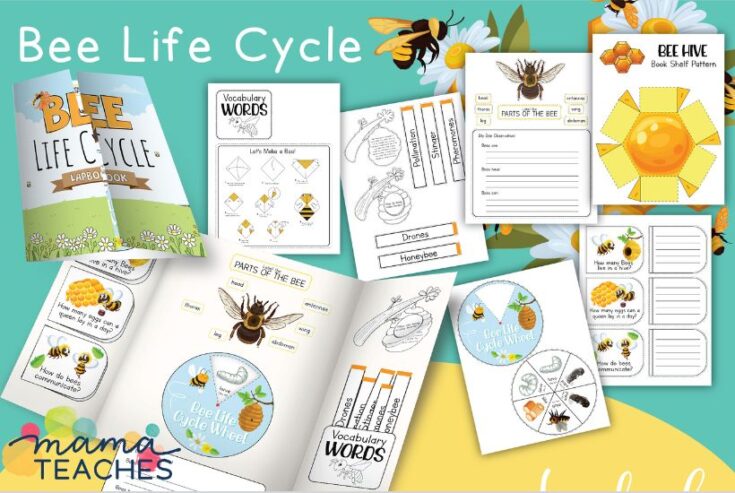
A well-structured seminar on the life cycle of bees can be engaging and informative. The seminar should cover various stages of a bee’s life, from egg to adult, highlighting the unique roles of different castes within the hive—drones, workers, and queens. Key components may include:
- Introduction to Bee Biology: A brief overview of bee species, anatomy, and their ecological importance.
- Life Cycle Stages: Detailed descriptions of each life stage, including egg, larva, pupa, and adult, illustrated with life cycle diagrams.
- Roles Within the Colony: Discussion on the functions of worker bees, drones, and queens, emphasizing their contributions to hive success.
- Interactive Q&A Session: An opportunity for attendees to ask questions and clarify concepts, fostering engagement and curiosity.
Workshop on Beekeeping Basics
To cultivate a practical understanding of beekeeping, a workshop can be designed to teach the essential skills required for beginners. This hands-on workshop should Artikel the fundamental aspects of beekeeping, ensuring participants leave with both knowledge and confidence to start their beekeeping journey.Important elements to include:
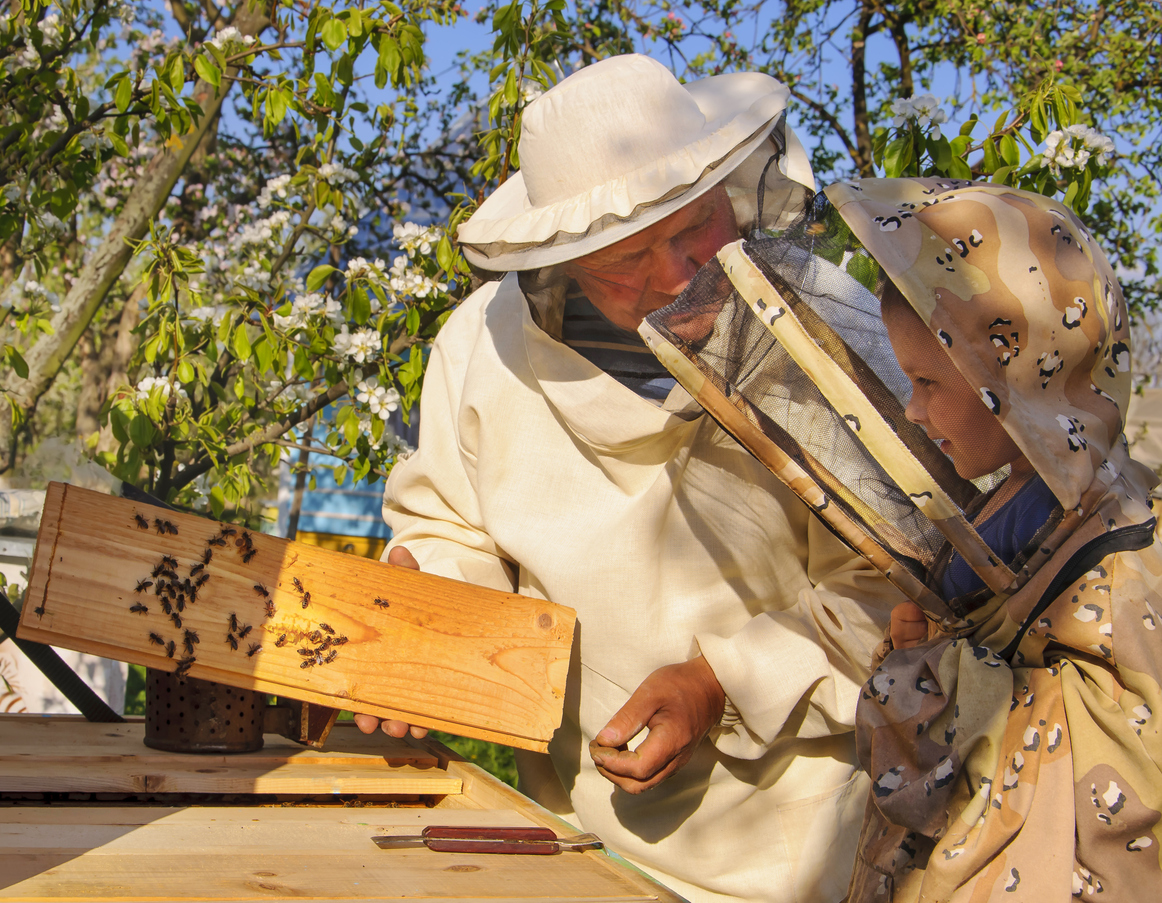
- Introduction to Beekeeping: An overview of the necessary equipment, such as hives, protective gear, and tools used in beekeeping.
- Hive Management: Insights into how to monitor bee health, manage colonies, and harvest honey.
- Bee Behavior and Ecology: Understanding the social structure of bees and their environmental needs.
- Hands-on Demonstration: A practical session where participants can observe and handle bees under supervision, enhancing their learning experience.
Guest Speaker Series Featuring Local Beekeepers and Experts
Organizing a guest speaker series can provide attendees with diverse perspectives and valuable insights from experienced beekeepers and experts in the field. This initiative not only enriches the educational content but also strengthens community ties by connecting local enthusiasts with knowledgeable figures.The series may include:
- Local Beekeeper Stories: Inviting local beekeepers to share their experiences and challenges, which can inspire and motivate new beekeepers.
- Expert Talks on Bee Conservation: Presentations by entomologists or conservationists focusing on the ecological importance of bees and strategies for their protection.
- Panel Discussions: Engaging discussions where speakers address audience questions on various beekeeping topics, fostering a community dialogue.
Educational Materials
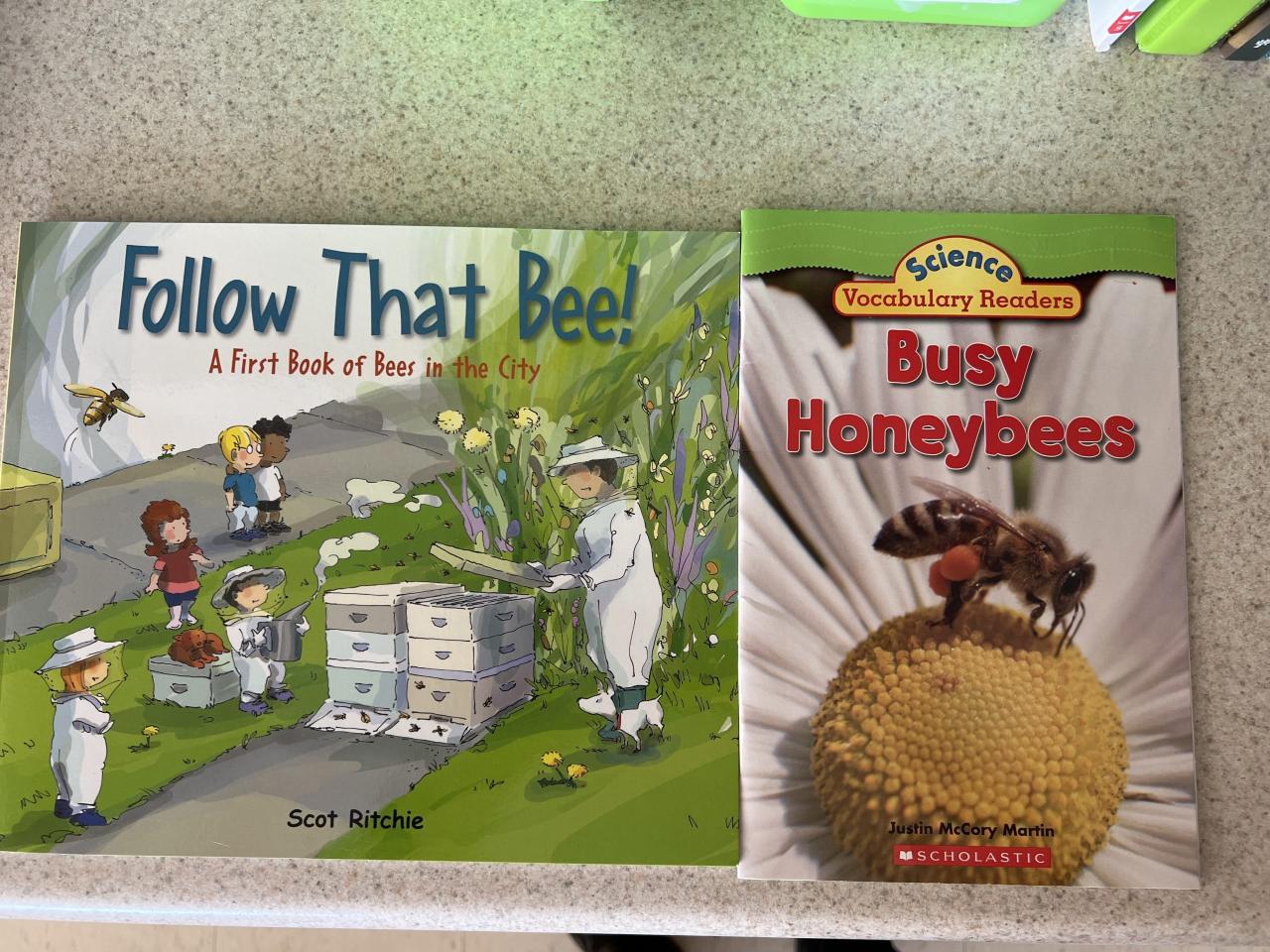
Providing educational materials about bees is crucial for fostering awareness and appreciation for these vital pollinators. Through various resources and engaging activities, individuals can gain a deeper understanding of bees, their ecological roles, and the importance of preserving their populations.One effective way to educate others is by compiling a list of informative books and resources that cover various aspects of bees.
These materials can serve as foundational texts for those seeking to learn more about bees and their significance in our environment.
Books and Resources
A well-curated selection of literature can inspire and inform learners of all ages. Here are several recommended titles that delve into the world of bees:
- The Bee Book by Fergus Chichester – A comprehensive guide that covers the biology and behavior of bees, as well as tips for supporting bee populations.
- Bees: An Introduction to Familiar American Species by Eric R. Eaton and Nick E. P. A. M.
Evans – This book provides insights into the diversity of bee species found in the United States.
- The Secret Life of Bees by Sue Monk Kidd – A fictional narrative that beautifully weaves themes of community, love, and the significance of bees.
- Bringing Nature Home by Douglas W. Tallamy – While not solely about bees, this book emphasizes the importance of native plants in supporting pollinator populations.
In addition to books, utilizing engaging presentations can enhance educational efforts in schools. By creating visually appealing and informative slideshows, educators can effectively communicate the vital role bees play in our ecosystems.
Engaging Presentations
Creating presentations that capture the audience’s attention is essential for effective education. Key elements to consider when developing these materials include:
- Visual Aids: Incorporate images of bees, their habitats, and the plants they pollinate to make the information visually appealing.
- Infographics: Use infographics to convey statistics about bee populations, the impact of pollination on food production, and conservation efforts.
- Interactive Components: Include questions or prompts that encourage audience participation and discussion about bees.
Moreover, designing activities and games can make learning about bees enjoyable and memorable for people of all ages.
Activities and Games
Incorporating fun and interactive activities can help reinforce the knowledge gained. These activities can range from simple games to hands-on projects that enhance understanding and appreciation for bees:
- Bee Bingo: Create bingo cards with different bee-related terms or images, allowing participants to learn while playing.
- Pollination Role-Play: Organize a role-play activity where participants take on the role of bees and flowers, demonstrating the pollination process.
- Craft Projects: Encourage participants to create bee hotels or plant bee-friendly gardens, fostering a personal connection to bee conservation.
Through these educational materials, presentations, and engaging activities, communities can cultivate a well-informed population dedicated to protecting and supporting bee populations.
Final Review
In conclusion, educating others about the importance of bees is not only essential for environmental conservation but also for promoting a sustainable future. By engaging communities through workshops, utilizing social media, and collaborating with local organizations, we can foster a deeper understanding of bees and their critical role in our world. Together, we can protect these vital creatures and ensure that they continue to thrive for generations to come.