How to Feed Your Bees During the Winter Months is an essential guide for beekeepers aiming to ensure the health and survival of their colonies throughout the colder season. During winter, the harsh weather conditions can greatly impact the bees’ ability to forage and maintain their food stores, making it crucial for beekeepers to provide adequate nutrition. Understanding the importance of winter feeding not only supports bee metabolism but also helps prevent starvation and colony decline.
As we delve into this topic, we will explore the types of feeds available, the best methods for administering food, and how to monitor the health of your bees during the winter months. Each aspect plays a vital role in crafting a successful winter feeding strategy, ensuring that your bees remain strong and healthy until the warmer months return.
Importance of Feeding Bees in Winter
As the temperatures drop and winter approaches, beekeepers face the challenge of ensuring their colonies survive the harsh conditions. Feeding bees during the winter months is critical for maintaining colony health and productivity. The cold weather significantly impacts the metabolism of bees and their ability to access food stores, making supplemental feeding an essential practice for successful overwintering.Cold weather affects bee metabolism by slowing their activity levels and altering their ability to consume stored honey.
Bees cluster together to maintain warmth, but this behavior limits their access to food, especially if their honey reserves are depleted. In colder climates, bees may require supplemental feeding to ensure they have adequate nutrition to survive until spring. Without sufficient food, colonies risk starvation, which can lead to significant losses for beekeepers.
Impacts of Cold Weather on Bee Metabolism and Food Stores
During winter, bee metabolism decreases as they enter a state of semi-hibernation. This state results in several implications for the colony’s well-being. The clustering behavior of bees, while essential for thermoregulation, restricts their movement and access to stored food. As winter progresses, they may consume their honey stores more rapidly than anticipated. The following points highlight the critical aspects related to the impacts of cold weather on bees:
- Reduced Activity Levels: Bees become less active, which decreases their foraging capabilities. This is crucial, as foraging for food becomes nearly impossible in freezing temperatures.
- Increased Energy Needs: The metabolic rate of bees does not diminish proportionally with the drop in temperature, leading to a higher energy requirement for maintaining body temperature.
- Honey Stores Accessibility: As bees cluster tightly together, accessing honey stored in the hive becomes challenging, particularly if the food is located at the edges of the hive.
- Starvation Risk: Colonies with insufficient winter food stores face the risk of starvation, particularly during prolonged cold spells when foraging is impossible.
“A well-fed bee colony is a healthy colony, capable of withstanding the challenges of winter.”
By recognizing these factors, beekeepers can take appropriate steps to ensure their colonies are adequately fed during winter months, ultimately enhancing the chances of survival and productivity for the coming season.
Types of Feed for Winter
During the winter months, it is crucial for beekeepers to provide adequate nourishment to their colonies. The harsh conditions can lead to a significant decline in the availability of natural food sources, making supplemental feeding necessary to ensure the health and survival of the bees. Different types of feed are available, each catering to the specific nutritional needs of bees during this period.In winter, bees primarily require carbohydrates for energy and proteins for growth and development.
The most commonly used feeds include sugar syrup, fondant, and pollen substitutes. Each of these options has unique properties and benefits that can influence the overall health of the bee colony. Understanding these differences is essential for beekeepers aiming to support their bees through the challenging winter months.
Comparison of Sugar Syrup, Fondant, and Pollen Substitutes
Each type of feed serves specific nutritional requirements, and it is important to understand their differences.
- Sugar Syrup: Typically a mixture of granulated sugar and water, sugar syrup provides an immediate energy source for bees. It is often used in late fall when colonies are preparing for winter. However, sugar syrup can ferment if conditions are not right, which may pose risks to the bees. A common ratio for sugar syrup is 1:1 (sugar to water) for feeding in late summer and 2:1 for feeding in fall.
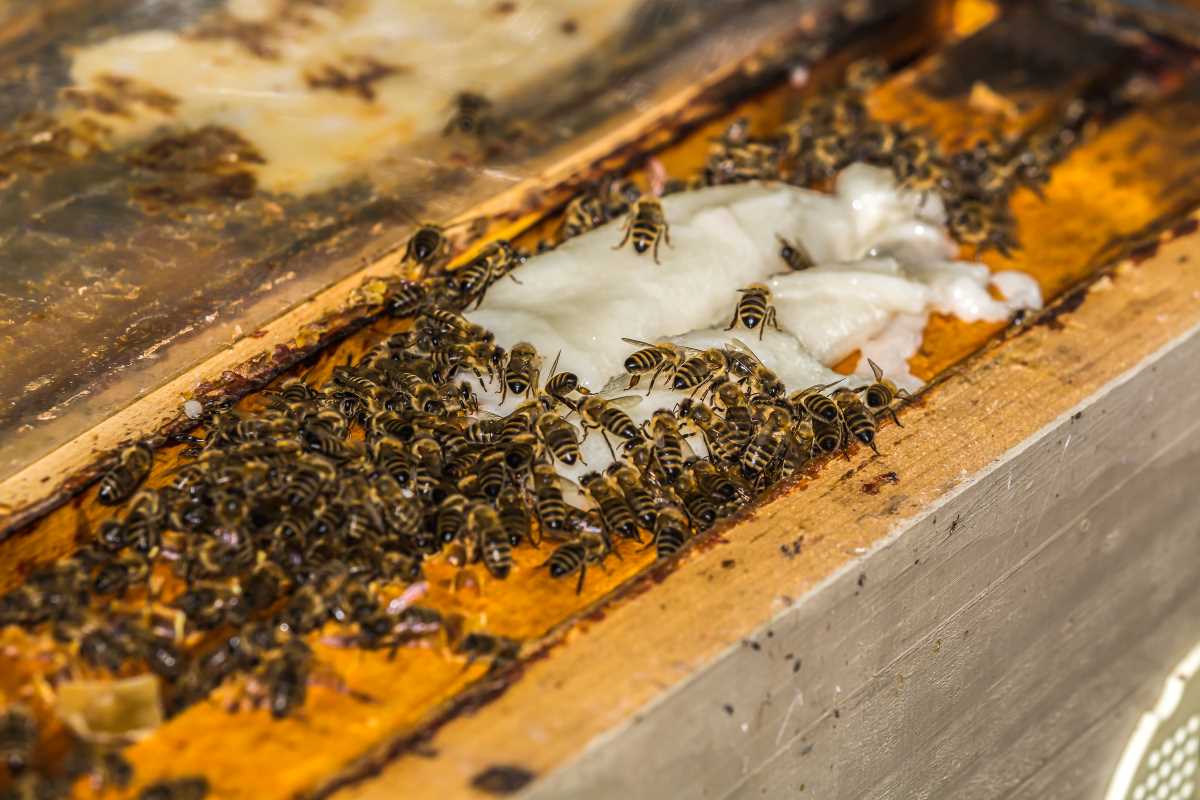
- Fondant: This is a thick, sugar-based paste that can be placed directly on the frames or in a feeder. Fondant is less likely to ferment compared to sugar syrup, making it a safer option for winter feeding. It provides a consistent carbohydrate source and can be easily accessed by bees even in colder temperatures.
- Pollen Substitutes: These are formulated products designed to mimic the nutritional profile of natural pollen, supplying essential proteins, vitamins, and minerals. Pollen substitutes can be particularly vital when natural pollen sources are scarce. They can be provided in various forms, such as patties or granules, and are instrumental for brood rearing when temperatures rise in early spring.
“Understanding the nutritional needs of bees is vital to their survival, especially during the winter months when natural food sources are limited.”
The specific nutritional needs of bees during winter are largely dependent on their life cycle and the colony’s health. Carbohydrates from feeds like sugar syrup and fondant provide necessary energy, while proteins from pollen substitutes support the development of young bees and the overall robustness of the colony. Thus, selecting the appropriate type of feed is essential for maintaining the vitality of bee populations throughout the winter season.
Methods for Feeding Bees
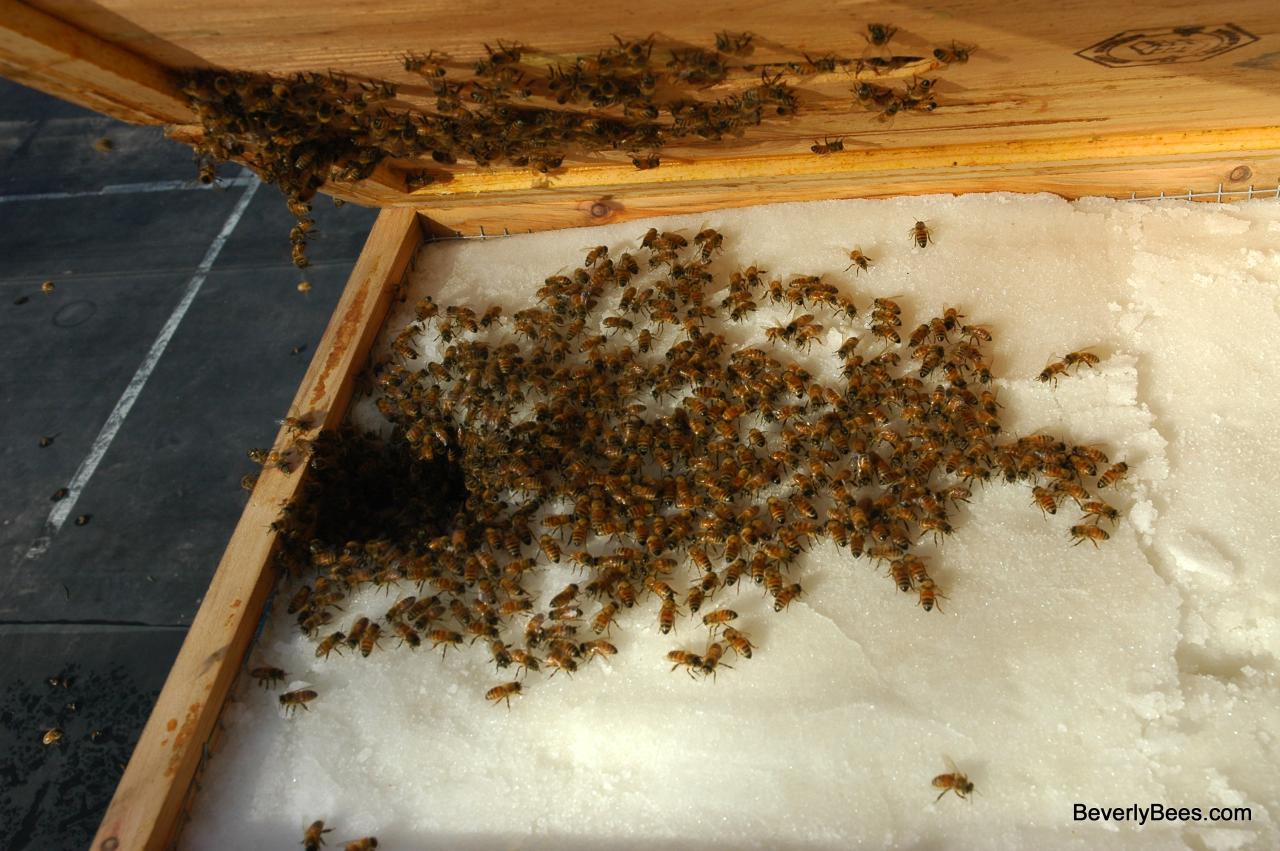
During the winter months, ensuring that your bees are adequately fed is crucial for their survival and overall health. Different methods for feeding bees can be employed, each with its own advantages and considerations. The three primary feeding methods include sugar syrup, fondant, and pollen substitutes. Each method requires specific techniques to ensure that the bees receive the nutrition they need without disruption.Sugar syrup is a popular choice among beekeepers for winter feeding, as it provides an easily digestible carbohydrate source.
To effectively use sugar syrup, follow these steps:
Using Sugar Syrup
Sugar syrup can be prepared and administered in a straightforward manner. Begin by taking the following steps to create an effective feeding solution:
1. Mix the Syrup
Combine two parts granulated sugar with one part water in a suitable container. Heat the mixture gently until the sugar completely dissolves, ensuring it does not boil.
2. Cool the Syrup
Allow the syrup to cool to room temperature before introducing it to the bees.
3. Choose the Right Feeder
Select a feeder compatible with your hive design. Consider using a top feeder or an entrance feeder that permits easy access for the bees.
4. Fill the Feeder
Pour the cooled sugar syrup into the feeder, making sure not to overfill it, as this can lead to spillage and attract unwanted pests.
5. Monitor Consumption
Check the feeder regularly to assess sugar syrup consumption and refill as needed, ensuring bees have access to food until the spring.Using sugar syrup not only nourishes the bees but also helps maintain hive activity during the colder months.
Placing Fondant on Hive Tops
Fondant serves as an alternative feeding source, particularly useful for bees that may be struggling to access stored honey. Proper placement of fondant is essential for ensuring that bees can utilize it efficiently:
1. Select Quality Fondant
Choose a fondant specifically designed for bees, which is typically composed of sugar and water without additives that could harm the bees.
2. Prepare the Hive
Inspect the hive to ensure it is clean and dry. Remove any old feeding materials if necessary.
3. Cut the Fondant
Slice the fondant into manageable pieces that can easily fit on the hive top, approximately one inch thick.
4. Position the Fondant
Place the fondant directly on the top bars of the hive or within your feeder if using one. Make sure the fondant is in contact with the bees but not overly compressed.
5. Check Regularly
Monitor the fondant consumption, replacing it as needed until the bees can forage again in the spring months.Using fondant provides an essential energy source for the bees and can sustain them through harsh winter conditions.
Applying Pollen Substitutes
Pollen substitutes are essential for maintaining bee health, especially when natural pollen sources are scarce during winter. The application of these substitutes can be done effectively by following certain guidelines:
1. Choose a Quality Product
Select a reputable pollen substitute that contains necessary proteins and nutrients. Products may include soy flour, yeast, or specialized commercial blends designed specifically for bees.
2. Create a Feeding Mixture
Combine the pollen substitute with sugar syrup if needed, to make it more palatable for the bees. The ratio can typically be around 50% sugar syrup to 50% pollen substitute.
3. Prepare a Feeding Tray
Use a shallow feeding tray or a small container that allows easy access for the bees. Ensure the container has sufficient openings for bees to enter.
4. Place the Mixture
Put the mixture in the feeding tray and position it near the entrance of the hive or within the hive itself if space allows.
5. Observe and Adjust
Keep an eye on the feeding tray to ensure bees are consuming the mixture and replenish it as needed to maintain a steady supply of nutrition.Pollen substitutes play a vital role in providing the necessary protein that bees require for brood rearing and overall hive strength during winter months.
Timing and Frequency of Feeding
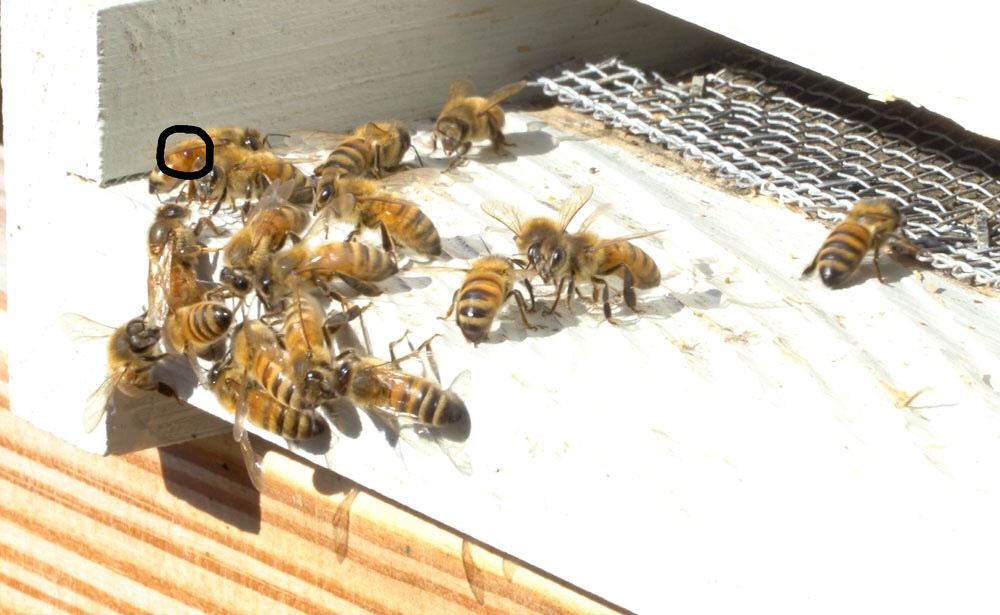
During the winter months, bees can face challenges in accessing food sources due to the cold weather and reduced foraging opportunities. Proper timing and frequency of feeding are essential to ensure that bees have sufficient resources to survive until the warmer months. Establishing a feeding schedule and recognizing specific signs of food shortage can help beekeepers effectively support their colonies during this critical period.Feeding bees in winter should begin before the onset of severe cold.
Beekeepers typically start feeding their colonies in late fall, just before the temperatures drop significantly. This proactive approach allows the bees to build up their stored food reserves before they enter a period of reduced activity. The frequency of feeding depends on several factors, including the size of the colony, the amount of food they have already stored, and the local climate conditions.
Feeding Schedule and Frequency
A well-organized feeding schedule is crucial for maintaining bee health during winter. The following points provide a guideline for when and how often to feed bees:
- Initial Feeding: Begin feeding in late fall, typically around October or November, when bees start to cluster and foraging becomes less frequent.
- Assessing Food Stores: Before feeding, check the hive’s food reserves to determine if additional feeding is necessary. If stores are low, feeding should be initiated immediately.
- Frequency: Feed every 1 to 2 weeks if food stores remain low. Monitor the hive consistently to avoid overfeeding, which can lead to moisture buildup.
- Temperature Considerations: Avoid feeding during periods of extreme cold, as it may prompt bees to break their cluster and leave their warmth, leading to chilling and potential death.
Signs that indicate feeding may be necessary include:
- Low Food Reserves: Opening the hive reveals little to no stored honey or sugar syrup.
- Cluster Size: A smaller cluster indicates that bees are consuming stored food more rapidly than expected.
- Behavioral Changes: Bees may show increased agitation or unusual activity patterns, indicating that they are searching for food.
“Regular monitoring and timely feeding adjustments are crucial for the survival and productivity of bee colonies during winter.”
By adhering to a structured feeding schedule and being attentive to the bees’ needs, beekeepers can significantly enhance their colonies’ chances of thriving through the harsh winter months.
Monitoring Bee Health
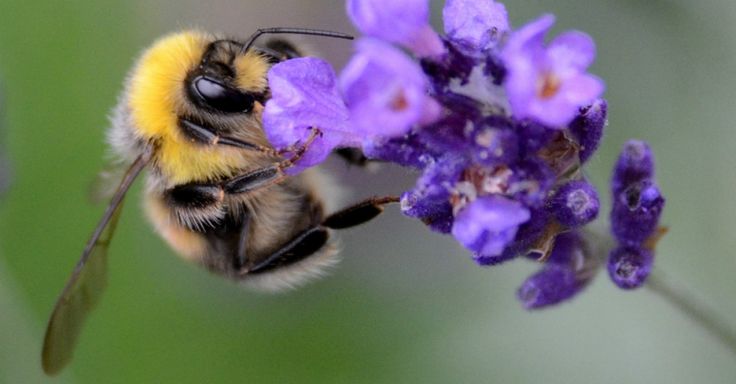
Monitoring the health of bee colonies during winter is crucial for ensuring their survival through the cold months. As temperatures drop and foraging opportunities diminish, beekeepers must take proactive steps to assess their bees’ well-being. Understanding the signs of health decline or starvation can prevent larger losses and help maintain strong colonies for the upcoming spring.Regular assessments of bee health during the winter months can be achieved through several methods.
Maintaining a consistent check on food stores and observing the behavior of the bees are essential practices. Additionally, certain indicators can signal potential issues within the hive, allowing beekeepers to take timely action.
Methods for Assessing Food Stores
Evaluating the food supply in a hive is vital in determining whether the bees will have enough resources to sustain themselves during winter. Beekeepers can employ several techniques to assess food stores effectively:
- Visual Inspection of Hive Weight: A heavy hive typically indicates sufficient food reserves. Beekeepers can lift the hive to gauge its weight, which helps in assessing if feeding is necessary.
- Frame Checks: Carefully removing frames can provide insight into honey stores. Observing capped honey and uncapped honey can inform beekeepers about the available food reserves.
- Cluster Observation: Monitoring where the bee cluster is located can indicate proximity to food sources. If the cluster is far from honey stores, bees may struggle to access food.
Indicators of Starvation or Health Decline
Recognizing signs of starvation or health decline early can significantly improve the chances of colony survival. Here are common indicators to monitor:
- Reduced Bee Activity: A noticeable decrease in bee movement or buzzing sounds around the hive can signal that bees are struggling.
- Unusual Cluster Behavior: A tight or smaller cluster than usual may indicate that the bees are not thriving or that food is scarce.
- Dead Bees in the Hive: An increase in dead bees within the hive can be an alarming sign of starvation or disease.
- Unhealthy Brood Patterns: Inspecting any remaining brood can help identify issues; a lack of brood or abnormal patterns may indicate declining health.
“Regular monitoring is key to maintaining the vitality of bee colonies during the harsh winter months.”
Implementing these monitoring strategies will empower beekeepers to take action when necessary, ensuring healthier bees and a more successful beekeeping season ahead.
Creating a Winter Feeding Strategy
In order to ensure the health and vitality of bee colonies through the winter months, beekeepers must establish a well-thought-out winter feeding strategy. This strategy should consider the needs of the bees, the available resources, and the specific conditions of the hive. By carefully planning, beekeepers can help their colonies survive the harsh winter conditions and emerge strong in the spring.A comprehensive winter feeding plan should encompass various factors, including the type of feed utilized, the timing of feeding, and the overall condition of the bee colonies.
It is essential to regularly assess the strength and health of each hive and adapt feeding strategies accordingly. Below are key components to consider while developing a winter feeding strategy.
Preparation of Hives for Winter Feeding
Before implementing a winter feeding strategy, beekeepers should take necessary steps to prepare their hives. Proper hive preparation ensures that bees are equipped to utilize the food provided effectively. The following points highlight essential preparations:
- Inspect the hives: Conduct a thorough inspection to assess the overall health and strength of the colonies. Ensure there are adequate food reserves prior to winter feeding.
- Seal the hives: Check for any gaps or cracks in the hive structure that may allow cold air to enter. Proper sealing will help maintain internal temperatures.
- Reduce the entrance: Minimizing the hive entrance can prevent cold drafts while also helping to protect against pests and intruders.
- Provide adequate ventilation: While sealing the hive, ensure there is still proper ventilation to prevent moisture accumulation that can lead to mold and disease.
Adjustment of Feeding Strategies Based on Colony Strength
Recognizing the strength of each colony is crucial for tailoring feeding strategies effectively. Different colonies may have varying requirements based on their size, health, and food stores. The following strategies can assist in adjusting feeding plans accordingly:
- Strong colonies may require less supplemental feeding as they often have sufficient natural stores; however, monitoring is still essential.
- Weak or newly established colonies may need more frequent feeding to build strength, especially if winter conditions are severe.
- Consider the local climate: In areas with harsher winters, colonies may require additional feed, while milder climates may allow for less intervention.
- Utilize different feeding methods: Some colonies may respond better to liquid feed, while others may benefit from solid food options; adjust based on observed preferences.
“An effective winter feeding strategy is one that is adaptable to the unique needs of each colony, ensuring bees have the best chance for survival and health into the next season.”
Common Challenges and Solutions
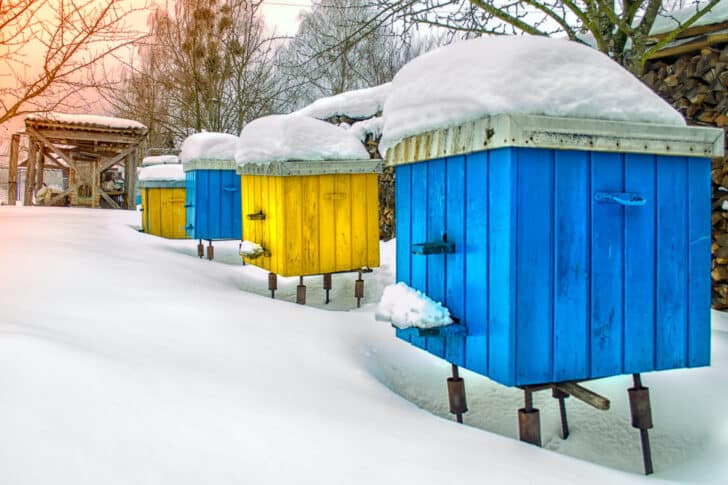
Feeding bees during the winter months can present several challenges that beekeepers must navigate to ensure the health and survival of their colonies. These challenges can stem from environmental factors, management practices, and the inherent behaviors of bees. Addressing these issues effectively requires a comprehensive understanding of the common problems and the solutions that can mitigate them.
One of the significant challenges beekeepers face during winter feeding is the accumulation of condensation within the hive. This moisture can lead to issues such as mold growth and increased susceptibility to diseases, which can jeopardize bee health. Additionally, pests such as varroa mites can become more problematic when bees are clustered and less active. To combat these situations, beekeepers can implement various strategies to maintain a healthy environment for their bees.
Condensation Management
Managing condensation is crucial for maintaining hive integrity and bee health during winter. Here are several strategies that can help reduce moisture buildup in the hive:
- Insulation: Properly insulating the hive can help maintain internal temperatures and reduce condensation. Insulating materials such as foam boards can be added around the exterior of the hive.
- Ventilation: Ensuring adequate ventilation is essential for allowing moisture to escape. This can be achieved by adjusting entrance reducers and using screened bottom boards to promote airflow.
- Moisture Absorbents: Placing moisture-absorbing materials, such as diatomaceous earth or dry sugar, can help mitigate dampness inside the hive.
Pest Management
Pests can pose a significant risk to bee colonies during the winter months. Managing these pests is critical for maintaining hive health. Common methods for pest control include:
- Regular Monitoring: Inspecting hives periodically during warmer winter days can help identify pest problems early.
- Varroa Treatment: Utilizing appropriate varroa mite treatments before winter can help reduce infestations. Products such as oxalic acid and formic acid are commonly used.
- Hive Hygiene: Keeping the hive clean and debris-free can help prevent pest infestations. Regularly clearing out dead bees and propolis can deter pests.
Troubleshooting Feeding Methods
When feeding methods do not yield the desired outcomes, it is essential to troubleshoot effectively to ensure bees receive adequate nutrition. Consider the following tips for addressing common feeding issues:
- Feeding Technique Evaluation: Assess if the feeding method being used is appropriate for the specific conditions of the hive. For example, if using sugar syrup, ensure it is not too diluted, which can lead to fermentation.
- Hive Placement: Confirm that hives are placed in a suitable location that receives sunlight during the day. This can encourage bees to forage and utilize stored food better.
- Observation of Bee Behavior: Pay close attention to bee activity around the feeder. Reduced activity may indicate that the feed source is not appealing or accessible.
“Maintaining a healthy winter environment and addressing challenges promptly can significantly enhance the survival rates of bee colonies.”
Last Word
In conclusion, ensuring that your bees receive proper nutrition during the winter is paramount to their survival and overall health. By implementing a well-structured feeding strategy, utilizing appropriate feeding methods, and monitoring your colonies closely, beekeepers can navigate the challenges of winter successfully. Remember, a well-fed bee colony is a resilient one, ready to thrive as spring approaches.