Moving a beehive is a significant task that requires careful planning and execution. It is essential to understand the nuances of the process to ensure the safety and well-being of the bees during the relocation. Proper preparation, assessment of the new location, and post-move care are crucial elements that contribute to a successful transition for both the beehive and the beekeeper.
This guide will provide you with the necessary steps and considerations for moving a beehive to a new location, including the appropriate tools needed, environmental factors affecting bee health, and techniques for minimizing stress during the move.
Preparation for Moving a Beehive
Moving a beehive requires careful planning and execution to ensure the safety of both the bees and the beekeeper. Proper preparation involves gathering the right tools, choosing an appropriate new location, and determining the best time for the move. Each of these factors plays a crucial role in minimizing the stress on the bees and ensuring a successful relocation.
Necessary Tools and Materials for the Move
Before initiating the relocation process, it is essential to identify and collect the necessary tools and materials. Equipping oneself with the right items not only facilitates a smoother transition but also promotes the well-being of the hive occupants. The following items are commonly required:
- Bee Suit: A protective suit is vital to safeguard against potential stings during the move.
- Smoker: Utilizing a smoker helps to calm the bees, making them less aggressive during the relocation.
- Hive Tool: This tool is necessary for prying apart hive components and inspecting the frames.
- Transport Container: A sturdy, secure container is needed for safely transporting the hive to the new location.
- Ratchet Straps: These are essential for securing the hive during transit to prevent any movement that could harm the bees or disrupt the hive structure.
Planning the New Location
Selecting an appropriate location for the new hive is critical to ensure the bees thrive in their new environment. Certain attributes should be considered when choosing the site:
- Sunlight Exposure: Ideally, the hive should receive morning sunlight, which helps to warm the bees and promote activity.
- Wind Protection: The site should offer some degree of shelter from harsh winds, which can stress the bees and impact their foraging behavior.
- Water Source: Proximity to a reliable water source is beneficial, as bees need water for various hive functions.
- Foraging Resources: Ensure that the area has ample flowering plants nearby to provide the bees with food sources.
- Accessibility: The site should be easily accessible for regular maintenance and inspections.
Timing for Moving a Beehive
Choosing the right time of day for moving a beehive significantly impacts the overall success of the relocation. The optimal time is during the late afternoon or early evening when the bees are less active and more likely to be inside the hive. Moving during this period minimizes the risk of losing bees or encountering aggressive behavior.
It is advisable to avoid moving the hive during peak foraging hours, typically between mid-morning and early afternoon, to ensure a higher number of bees remain in the hive during transport.
This thoughtful approach to timing, along with proper preparation, contributes to a smoother transition and helps maintain the health of the bee colony at its new location.
Assessing the New Location
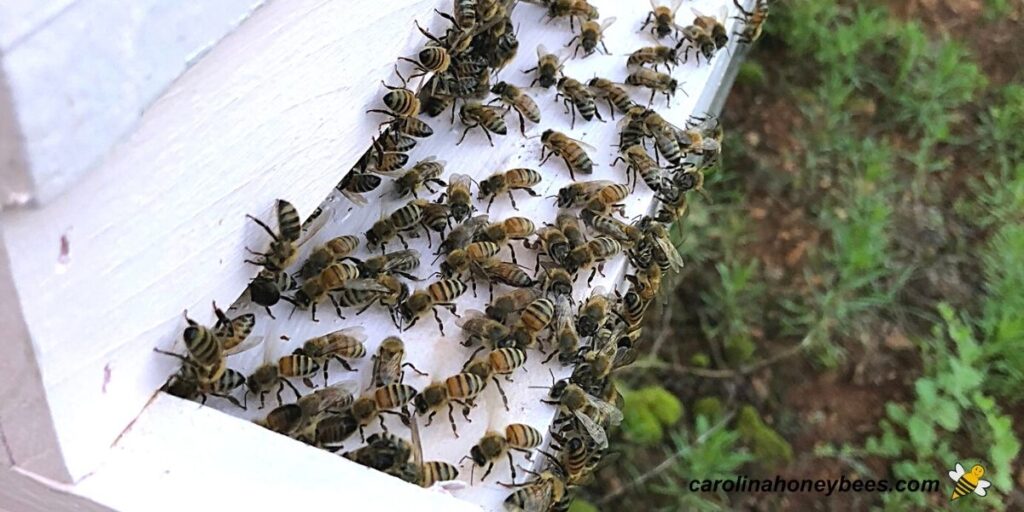
Selecting the ideal location for a beehive is critical to ensuring the health and productivity of the bee colony. A well-chosen site can provide the necessary resources for the bees while minimizing risks from environmental factors and human activities. This section Artikels the essential criteria for evaluating a new location for your beehive.
Criteria for Selecting the Ideal Location
The selection of a location for your beehive involves careful consideration of several factors that contribute to the overall well-being of the bees. These factors not only affect their health but also their productivity in terms of honey production and pollination efficiency.
- Sunlight: Beehives should ideally receive morning sunlight, which helps the bees start their foraging activities early and keeps the hive warm during cooler months.
- Wind Protection: A location shielded from strong winds can prevent stress on the colony and minimize the risk of hive damage.
- Water Sources: Proximity to a fresh water source is vital, as bees require water for various hive activities, including cooling the hive and diluting honey.
- Floral Resources: An abundance of flowering plants nearby ensures that bees have a constant supply of nectar and pollen, essential for their sustenance and hive productivity.
- Distance from Neighbors: It is advisable to place the hive away from residential areas or busy pathways to minimize disturbances and avoid potential conflicts with neighbors.
Environmental Factors Influencing Bee Health and Productivity
Understanding the environmental factors that affect bee health and productivity is fundamental in choosing the right location. These factors can significantly influence the behavior and efficiency of the bees throughout the foraging season.
- Temperature: Optimal temperatures for bee activity typically range between 18°C to 36°C (65°F to 97°F). Extreme temperatures can hinder foraging and brood rearing.
- Humidity: Moderate humidity levels are preferable. High humidity can promote diseases, while low humidity can lead to dehydration in bees.
- Pesticide Exposure: Locations should be chosen to minimize exposure to agricultural chemicals, which can be detrimental to bee health.
- Predator Presence: Assessing the local wildlife is important, as certain predators can pose a threat to the colony. Locations with fewer natural predators are ideal.
Accessibility and Safety Considerations for the Beekeeper
Accessibility to the hive site is crucial for effective management and monitoring of the bee colony. Additionally, ensuring safety for both the beekeeper and the bees is paramount.
- Access Roads: The site should be accessible via a reliable road or pathway for transporting equipment and conducting regular hive inspections.
- Emergency Access: Consideration should be given for quick access to emergency services if required, particularly in rural or isolated areas.
- Personal Safety: The site should be free from hazards such as steep slopes or poisonous plants that could endanger the beekeeper during visits.
- Local Regulations: Be aware of local regulations regarding beekeeping, including zoning laws and requirements for hive registration, to ensure compliance and safety.
Techniques for Safely Moving the Beehive
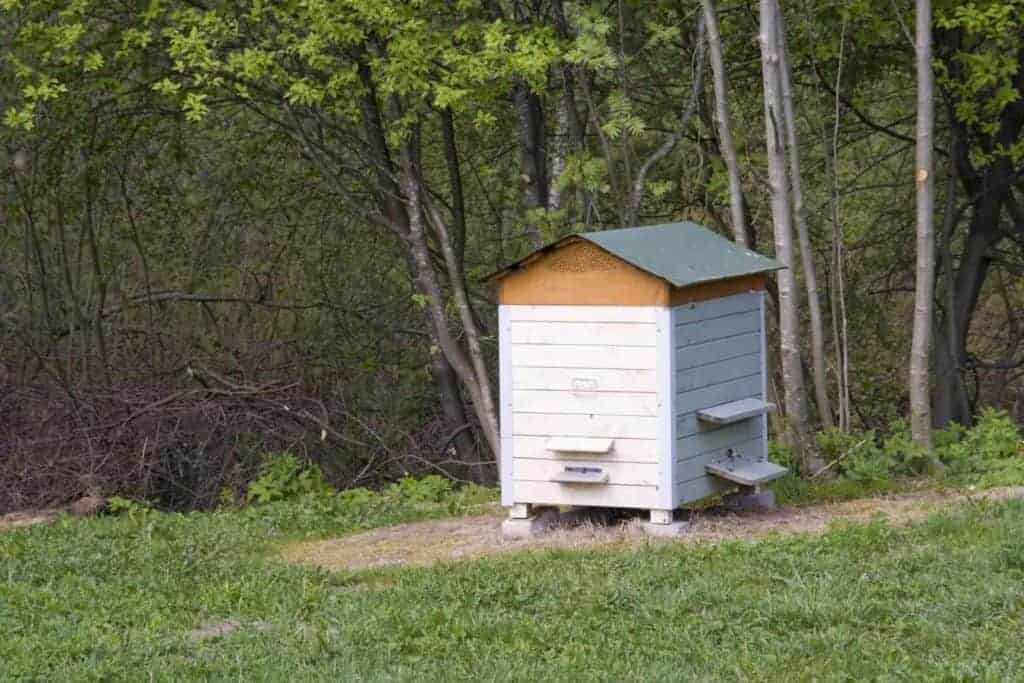
Moving a beehive requires careful planning and execution to ensure the safety of both the bees and the beekeeper. Implementing the right techniques will facilitate a smooth relocation process while minimizing stress on the colony. The following sections Artikel essential steps for preparing the hive for transport, securing it during the move, and methods to reduce stress on the bees.
Preparing the Hive for Transport
Before embarking on the relocation, it is vital to prepare the hive properly. This preparation ensures the stability and safety of the colony during the journey. Key steps for preparing the hive include:
- Inspect the Hive: Ensure that the hive is strong and healthy. Look for adequate food supplies and a healthy queen.
- Close the Entrance: Use an entrance reducer or a piece of solid material to close the entrance. This will prevent bees from escaping and help maintain temperature and humidity inside the hive.
- Secure Loose Components: Check for any loose parts of the hive, such as supers or frames, and secure them with straps or rope to prevent movement during transit.
- Ensure Proper Ventilation: If possible, ensure that the hive has adequate ventilation without allowing bees to escape. This can be achieved by placing a ventilated board beneath the cover.
Securing the Hive During the Move
Creating a stable environment for the hive during transport is essential to avoid damage or injury to the bees. Effective methods for securing the hive include:
- Using a Hive Strap: Invest in durable hive straps to bind all components of the hive together. This will prevent shifting during transport.
- Transporting in a Vehicle: If using a vehicle, ensure it is clean and free of debris. Place the hive securely in the vehicle, making sure it will not move or tip over.
- Use of a Hand Truck: For shorter distances or uneven terrains, a hand truck can be utilized. Ensure the hive is secured to the hand truck to prevent it from falling.
- Minimizing Vibration: Drive slowly and smoothly to avoid excessive vibrations, which can be stressful for the bees and may disrupt the hive structure.
Minimizing Stress on the Bees During Relocation
The comfort of the bees during transport should be a priority, as excessive stress can lead to disorientation and aggression. Strategies to minimize stress include:
- Timing the Move: Ideally, move the hive in the late afternoon or evening when bees are less active. This timing helps reduce the number of foraging bees outside the hive.
- Maintain Temperature: If the temperature is expected to drop significantly during transport, consider wrapping the hive with an insulating material to maintain warmth.
- Avoid Loud Noises: Minimize exposure to loud sounds that can startle the bees. This can be achieved by driving calmly and avoiding sudden movements.
- Provide Water: If the journey is lengthy, consider placing a shallow dish of water near the hive to ensure the bees remain hydrated.
Post-Move Care for Bees
After relocating a beehive, it is essential to provide proper care to ensure the bees acclimate to their new surroundings. This stage is critical for maintaining colony health and productivity. Taking immediate actions can mitigate stress and help the bees settle into their new environment effectively.Monitoring the bees closely after a move is vital for identifying signs of stress or disorientation.
Stress can occur due to environmental changes, transportation, or disturbance during the move. Observing the behavior of the bees and their activity levels will provide insights into their well-being. It is crucial to look for the following signs:
Signs of Bee Stress or Disorientation
Understanding how to recognize stress in bees can aid beekeepers in addressing issues promptly. Common indicators of bee stress include:
- Reduced foraging activity: Observe the entrance of the hive; a significant decrease in bees flying in and out may indicate disorientation.
- Unusual aggression: If bees are more aggressive than usual, it may signify that they are unsettled in their new environment.
- Clustered behavior: Bees clustering outside the hive instead of within may reflect confusion about their new location.
- Increased mortality: A noticeable rise in dead bees around the entrance or in the vicinity can indicate stress-related issues.
Adjusting feeding strategies after the hive has been moved is essential for supporting the bees as they adjust. This adjustment helps ensure they have adequate resources, especially if foraging is limited in the new location. Consider the following feeding strategies:
Feeding Strategies After Moving the Hive
When developing a plan for feeding your bees post-move, it is advisable to assess their current food stores and the availability of local nectar sources. Implement the following strategies:
- Provide sugar syrup: A 1:1 sugar-to-water solution can help stimulate foraging and provide energy while bees acclimate to their new surroundings.
- Use pollen substitutes: Supplementing with pollen patties can help bolster protein intake, especially during times when natural pollen sources are scarce.
- Monitor food stores: Regularly check the hive’s food supplies and adjust the feeding regimen based on the bees’ consumption rates and environmental conditions.
- Limit feeding during peak foraging times: If bees are foraging successfully, it’s important to avoid overfeeding, as this can lead to issues within the hive.
By observing these signs and adjusting feeding strategies appropriately, beekeepers can ensure a smoother transition for their colonies, promoting health and productivity in the long term.
Long-term Considerations After Moving
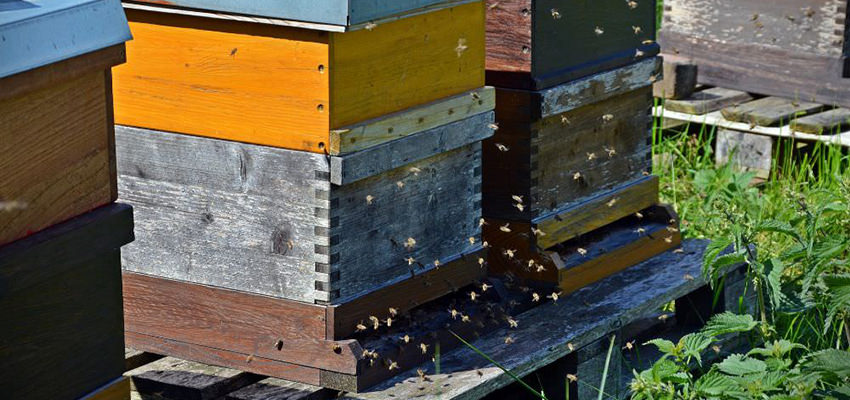
When relocating a beehive, it is crucial to consider the long-term implications for the colony’s health and productivity. After the initial move, ongoing observations and assessments of bee behavior become essential to ensure that the new location meets the needs of the hive. Understanding how environmental factors influence the bees’ activities and overall well-being will help beekeepers make informed decisions moving forward.Observing bee behavior in the new location can provide insights into how well the colony is adapting.
It is important to monitor various aspects of their activity, such as foraging patterns, brood development, and general hive demeanor. This ongoing assessment can help identify any potential challenges posed by the new environment compared to the previous location.
Monitoring Bee Behavior
Regular observation of bee behavior is key to understanding their adaptation to the new environment. Various indicators can signal how well the bees are adjusting. To effectively monitor bee behavior, consider the following aspects:
- Foraging Activity: Observe the frequency and duration of foraging trips. Increased foraging indicates that bees are successfully adapting to available resources, while reduced activity may signal a need for intervention.
- Brood Patterns: Check the brood nest regularly to assess the health and development of the larvae. A healthy brood pattern reflects a thriving colony.
- Hive Defense: Pay attention to the bees’ defensive behaviors. Aggressive behavior may indicate stress or environmental challenges, while calm bees suggest a well-adjusted hive.
Comparative analysis of the environmental factors at the new location against the previous site is crucial. Factors such as temperature, humidity, floral diversity, and available forage can greatly affect bee behavior and health. Identifying these differences can lead to better management practices that cater to the needs of the bees.
Addressing Environmental Challenges
New environmental factors can introduce challenges that may impact hive viability. Recognizing these challenges early allows for timely interventions. It is beneficial to consider the following environmental aspects:
- Climate Variability: Differences in temperature and humidity can affect bee activity and health. Monitor local weather patterns and adjust hive management practices accordingly.
- Floral Resources: Assess the availability of nectar and pollen sources in the area. If the new location lacks sufficient forage, it may be necessary to supplement the bees’ diet.
- Pest and Disease Pressure: New surroundings may expose the hive to different pests and diseases. Regular inspections and proactive management strategies should be established to mitigate these risks.
Follow-up Plan for Hive Management
Developing a structured follow-up plan for hive management and health monitoring after relocation is essential to ensuring the long-term success of the colony. This plan should include regular assessments and interventions tailored to the bees’ needs in their new environment. Key components of this follow-up plan may include:
- Scheduled Inspections: Establish a regular schedule for hive inspections to monitor bee health, brood patterns, and food stores.
- Data Logging: Keep detailed records of observations and conditions to track changes over time. This enables better decision-making based on historical data.
- Resource Assessment: Continually evaluate the availability of floral resources and be prepared to take corrective actions, such as planting bee-friendly flora or providing supplemental feeding if necessary.
Monitoring the bees’ adaptation to their new environment is vital for their long-term success and productivity.
Last Recap
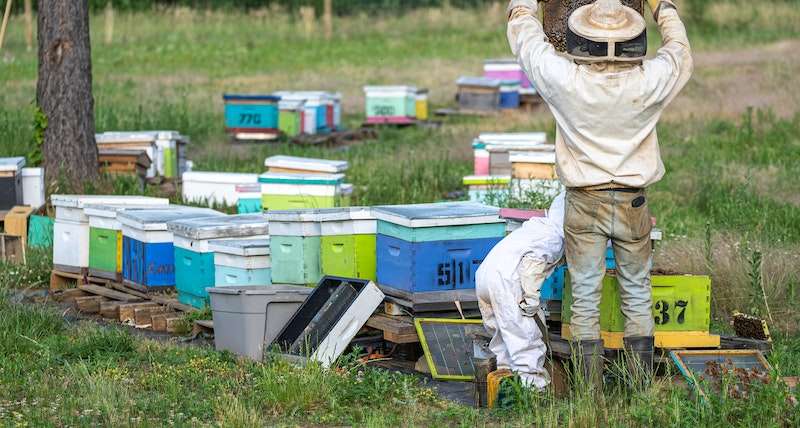
In summary, successfully moving a beehive involves meticulous planning and a deep understanding of the bees’ needs in their new environment. By following the structured approach Artikeld in this guide, you can effectively support your bees during the transition and ensure their continued health and productivity. Maintaining an observant eye on their behavior post-move will help you adapt your management strategies and optimize their well-being in their new home.