How to Plant Trees That Will Benefit Your Bees is an essential guide for anyone looking to enhance their local environment while supporting vital bee populations. Trees not only serve as a source of nourishment through nectar and pollen but also foster diverse habitats that are crucial for the survival of bees. Understanding the relationship between trees and these industrious pollinators is the first step toward creating a thriving ecosystem that benefits both flora and fauna.
By selecting the right species, employing effective planting techniques, and maintaining these trees, you can create a sanctuary that encourages bees to flourish. This guide will help you navigate the intricacies of tree planting and care, ensuring that your efforts contribute positively to the local biodiversity and support the health of bee communities.
Understanding the Importance of Trees for Bees
Trees play a vital role in the ecosystem, serving as essential resources for many species, including bees. These magnificent plants are not only a source of beauty and shade but also provide critical nourishment and habitat for bees, which are crucial for pollination and biodiversity. Understanding their importance is pivotal for conservation efforts and ensuring healthy bee populations.
Trees contribute significantly to the diet of bees by offering abundant nectar and pollen, which are essential food sources. Nectar serves as the primary energy source for bees, while pollen provides the necessary proteins, fats, vitamins, and minerals for their development. Both food sources are vital for nurturing bee colonies, especially during the spring and summer months when bees are most active.
In addition to providing food, trees create habitats that support diverse bee species, promoting a healthy ecosystem.
Food Sources Through Nectar and Pollen
The availability of nectar and pollen from trees is crucial for the sustenance of bee populations. Different tree species bloom at various times throughout the year, providing a continuous supply of these resources. The diversity of tree species contributes to the overall health of bee colonies. The following details highlight some key aspects of how trees support bees through their blooms:
- Seasonal Blooms: Various tree species have adapted to bloom in different seasons, ensuring that bees have access to food throughout the year. For instance, willows bloom early in spring, while oaks and maples provide sustenance later in the season.
- Nectar Composition: Different trees produce nectar with varying sugar concentrations, which can influence bee foraging behavior. Trees such as flowering fruit trees not only provide nectar but also attract different bee species, enhancing pollination.
- Pollen Diversity: Trees contribute to the diversity of pollen available to bees. This variety is essential for the nutrition of developing bee larvae and helps maintain healthy bee colonies.
Supporting Bee Habitats and Biodiversity
Trees play a significant role in creating and maintaining habitats that support not only bees but also a wide variety of other wildlife. The complex structure of trees (canopy, branches, leaves) provides shelter and nesting sites for bees and other pollinators. This is particularly important in urban environments where habitats may be limited. The interconnection between trees and biodiversity can be summarized through the following points:
- Habitat Creation: Trees provide physical structures that facilitate nesting sites for solitary and social bee species, such as leafcutter bees and honeybees.
- Microclimates: Trees create microclimates that can protect bees from extreme weather conditions, such as excessive heat or rainfall, thus promoting their survival.
- Support for Pollinator Diversity: By providing various flowering plants, trees help maintain a diverse population of bees, which is crucial for effective pollination across different plant species.
Seasonal Availability of Tree Blooms and Bee Populations
The timing of tree blooms is critical to the well-being of bee populations. Seasonal availability directly affects when bees can forage and gather food, impacting their reproductive cycles and overall health. The synchronization between tree flowering periods and bee activity is essential for successful pollination. Key considerations include:
- Timing of Tree Blooms: Understanding the bloom periods of local trees can help gardeners and conservationists create environments that support bees. For example, planting trees that bloom in early spring can provide essential forage when little else is available.
- Impact on Bee Life Cycles: The availability of food sources during the foraging season directly influences the growth and survival of bee colonies. Sufficient food resources result in stronger colonies capable of thriving in the environment.
- Yearly Variability: Climate change can affect blooming patterns. A shift in blooming times can lead to mismatches between the availability of floral resources and bee activity, stressing bee populations.
Choosing the Right Trees for Bees
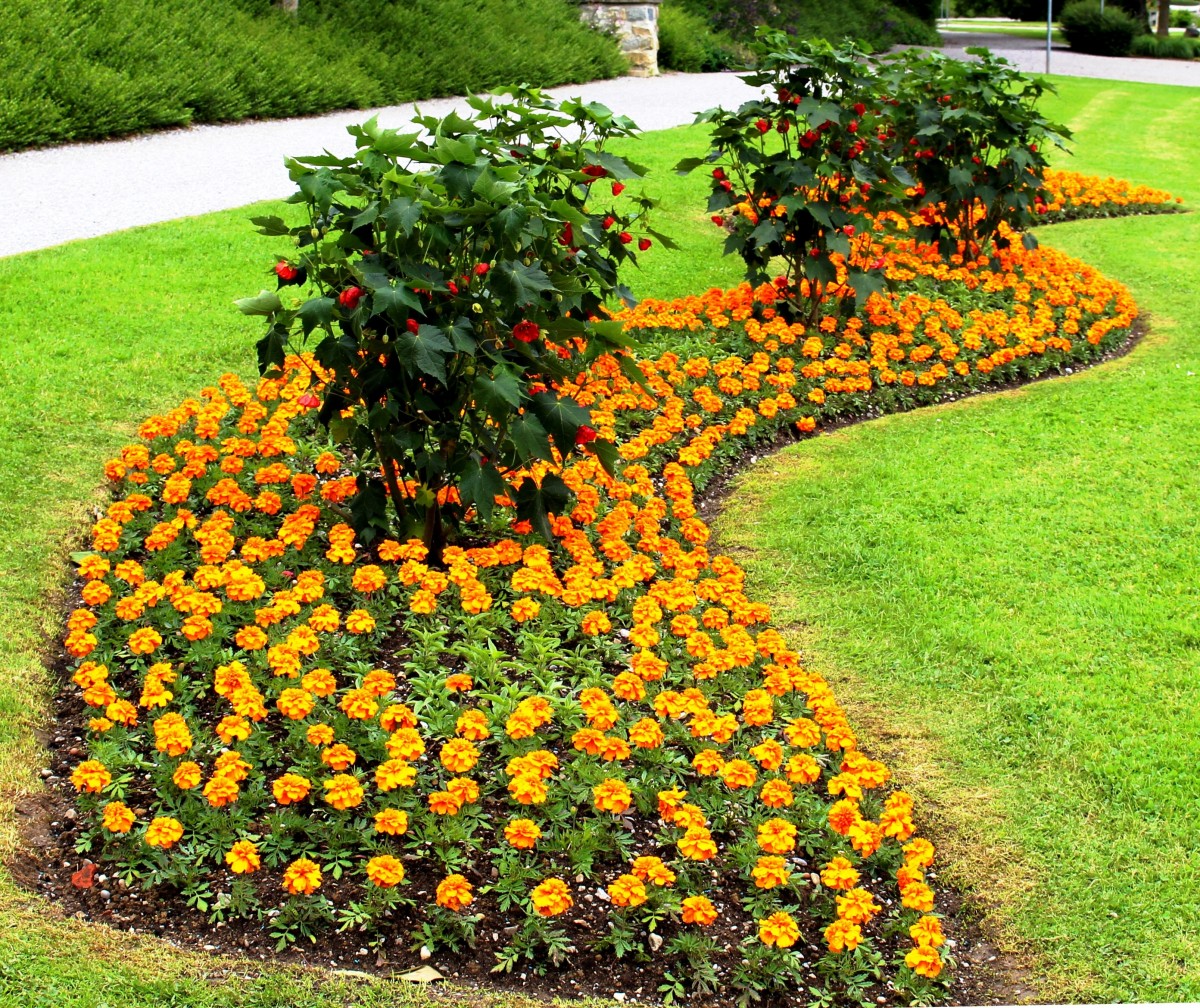
Selecting trees that benefit bees is crucial for fostering healthy ecosystems and promoting pollination. The right trees can provide abundant nectar and pollen sources, which are essential for the survival and productivity of bee populations. Understanding which tree species are most beneficial, alongside their unique flowering characteristics, can significantly enhance local bee habitats.Different tree species offer varying benefits to bees, primarily based on their native status and flowering times.
Native trees often have evolved alongside local bee species, making them particularly important for sustaining local biodiversity. Non-native trees may not provide the same level of support, as they may not be as attractive or beneficial to native pollinators. Here, we will explore specific tree species that are advantageous for bees, their characteristics, and the importance of their flowering periods.
Beneficial Tree Species for Bees
When selecting trees to plant for bee benefit, it is essential to consider both native and non-native species and their specific features. Below is a list of tree species that are known to be beneficial to bees, highlighting their characteristics:
- Black Locust (Robinia pseudoacacia): This native tree is renowned for its fragrant white flowers that bloom in late spring, providing a rich source of nectar for bees.
- Willow (Salix spp.): Early-blooming willows are vital for bees, as they provide pollen in early spring when food sources are scarce.
- Red Maple (Acer rubrum): A key early spring tree that offers abundant pollen, attracting various bee species.
- Oak (Quercus spp.): While not a nectar source, oaks support a vast array of insects, providing a habitat that benefits bees indirectly.
- Honey Locust (Gleditsia triacanthos): Known for its sweet-smelling flowers, this tree attracts numerous bee species during its flowering season in late spring.
The choice between native and non-native species can have significant repercussions for local bee populations. Native species often provide better food resources and habitat for local bees than non-native species. By focusing on planting native trees, one can enhance the resilience of local ecosystems.
Flowering Time Comparisons
To maximize foraging opportunities throughout the seasons, understanding the flowering times of different tree species is essential. The overlapping flowering periods of various trees can ensure a continuous supply of nectar and pollen for bees.
- Early Spring Bloomers: Trees such as the Red Maple and willows flower early, providing crucial resources when other sources are unavailable.
- Late Spring Bloomers: The Black Locust and Honey Locust bloom in late spring, offering rich nectar supplies after early flowering species have faded.
- Summer Flowering Trees: Oaks may not provide direct nectar but sustain diverse insect populations throughout the summer, indirectly supporting bee foraging.
By strategically planning the planting of these tree species based on their flowering times, one can create a thriving environment for bees that extends food availability throughout the growing season.
Planting trees with staggered flowering times is a critical strategy for ensuring that bees have access to food sources from early spring through late summer.
Planting Techniques for Bee-Friendly Trees
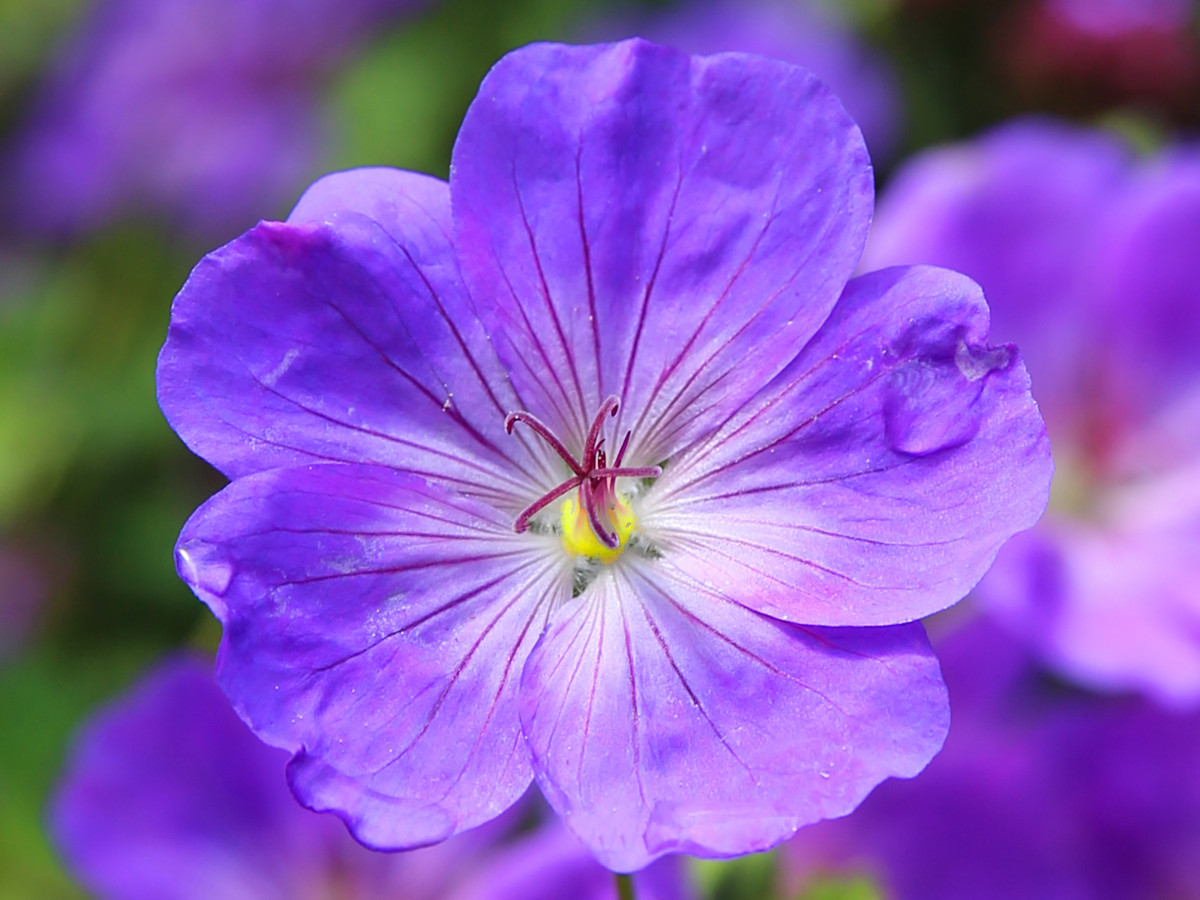
Proper planting techniques are essential for ensuring that trees thrive and develop into a healthy habitat for bees. The right approach not only supports the vitality of the trees but also enhances their flowering potential, which is crucial for attracting and sustaining bee populations. This section will guide you through effective planting methods, focusing on soil preparation, spacing, and optimal planting times.
Soil Preparation for Planting Trees
Preparing the soil adequately is a critical step in establishing healthy trees that can provide valuable forage for bees. Healthy soil promotes root growth and overall tree health, which directly impacts bee access to blooms.
1. Assess Soil Quality
Before planting, test the soil pH and nutrient levels to determine if any amendments are necessary. Ideally, most trees prefer a pH range of 6.0 to 7.
0. 2. Clear the Area
Remove grass, weeds, and debris from the planting site, as they can compete with the young tree for nutrients and water.
3. Amend the Soil
Based on soil tests, add organic matter such as compost or well-rotted manure to improve soil structure and fertility.
4. Digging the Hole
Create a planting hole that is twice the width and the same depth as the tree’s root ball. This allows for easier root expansion and encourages healthy growth.
5. Backfill with Care
Place the tree in the center of the hole and backfill with soil, ensuring that the root collar (where the roots meet the trunk) is level with the ground surface. This prevents water pooling around the trunk, reducing the risk of rot.
Spacing and Placement of Trees
The placement and spacing of trees are vital considerations that impact bee access to flowers and the overall health of the trees. Adequate spacing prevents overcrowding and promotes airflow, reducing the risk of disease.
Optimal Spacing
When planting multiple trees, ensure they are spaced appropriately to allow for growth. A general rule is to space trees at least 10 to 20 feet apart, depending on the species, to ensure they have sufficient room to reach maturity.
Sunlight Requirements
Choose locations that receive full sunlight, as most bee-attracting trees thrive in bright conditions. Avoid shaded areas caused by larger trees or structures.
Diversity in Planting
To enhance bee foraging, consider planting a mix of tree species that bloom at different times throughout the growing season. This variety ensures a continuous food supply for bees.
Timing for Planting Trees
Planting trees at the right time of year is essential for their establishment and growth. Optimal timing allows trees to acclimate and thrive, leading to abundant blooms.
Best Seasons for Planting
The ideal times for planting trees are early spring or fall when temperatures are cooler, and rainfall is more frequent. This helps reduce transplant shock and encourages root establishment.
Avoiding Extreme Weather
It is advisable to avoid planting during periods of drought or extreme heat. Such conditions can stress young trees and hinder their growth.
Monitoring Bloom Times
Pay attention to the blooming schedules of the selected tree species to ensure that they coincide with bee activity. Trees such as willows and fruit trees can provide early-season forage, while others like maples and oaks offer late-season resources.
Proper soil preparation, thoughtful spacing, and appropriate timing are fundamental components in cultivating trees that will support healthy bee populations.
Caring for Your Bee-Friendly Trees
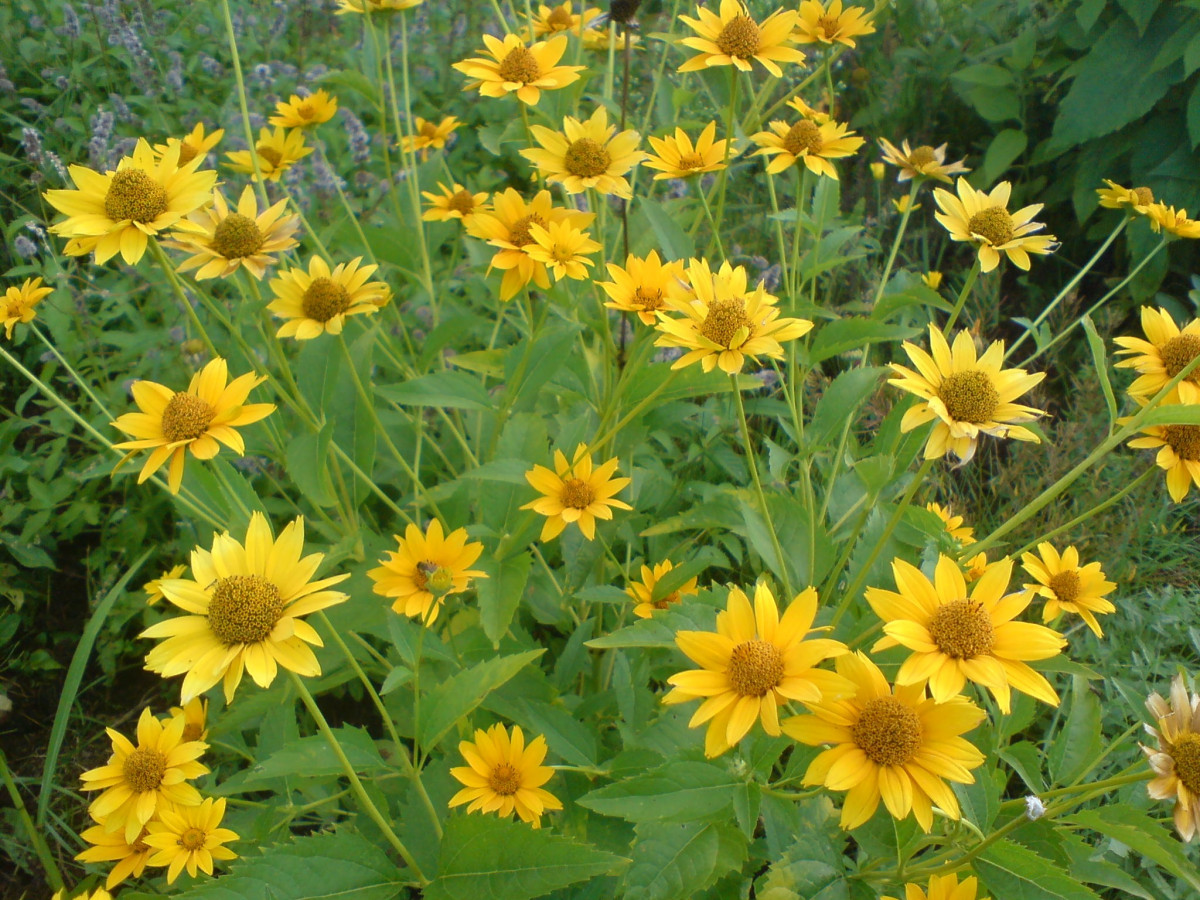
Caring for your bee-friendly trees is crucial for maintaining their health and ensuring they continue to provide a supportive environment for pollinators. Proper maintenance practices not only foster strong tree growth but also enhance the attractiveness of these trees to bees. By implementing effective pest management strategies and appropriate watering techniques, you can create an ideal ecosystem that benefits both the trees and the local bee population.
Ongoing Maintenance Practices
Regular maintenance is essential for the vitality of bee-friendly trees. This includes monitoring tree health, pruning, and ensuring that the surrounding environment remains conducive to bee activity. The following practices can help:
- Mulching: Applying organic mulch around the base of the trees helps retain moisture, suppress weeds, and improve soil health, thereby supporting robust tree growth.
- Pruning: Removing dead or diseased branches promotes healthier growth and allows for better sunlight penetration. Pruning should be done during the tree’s dormant season to minimize stress.
- Fertilization: Using organic fertilizers can enhance soil nutrients without harming bee populations. A soil test can help determine the right type and amount of fertilizer needed.
Identifying and Managing Pests
Managing pests effectively is vital to protecting your trees and the bees that visit them. Non-toxic pest management strategies should be prioritized to safeguard bee populations. Here are some methods to consider:
- Regular Inspections: Conduct routine checks for signs of pests or diseases. Early detection allows for timely intervention and treatment, which can prevent larger infestations.
- Natural Predators: Encourage beneficial insects such as ladybugs and lacewings that prey on common pests. Planting a diverse range of flowers can attract these natural predators.
- Companion Planting: Incorporating companion plants can deter pests while attracting pollinators. For example, planting marigolds near fruit trees can repel harmful insects.
- Insecticidal Soaps: These are effective against soft-bodied insects like aphids and can be used without harming bees if applied in the evening when bees are less active.
Watering Techniques
Proper watering techniques are essential for promoting strong tree growth, especially in varying climate conditions. Understanding local rainfall patterns and soil drainage can inform your watering practices. Consider the following techniques:
- Deep Watering: This method involves applying water slowly and deeply at the tree’s base, encouraging roots to grow deeper and become more resilient to drought.
- Drip Irrigation: Installing a drip irrigation system can provide consistent moisture directly to the tree roots, minimizing waste and ensuring even distribution.
- Timing: Watering in the early morning or late afternoon reduces evaporation and allows trees to absorb moisture more effectively.
- Soil Moisture Monitoring: Using a moisture meter can help determine when to water, preventing both under-watering and over-watering, which can stress the tree.
Creating a Bee-Friendly Environment around Trees
The creation of a bee-friendly environment surrounding your tree plantings is essential for promoting a thriving ecosystem that supports pollinators. By incorporating a variety of flowering plants and employing effective landscaping techniques, you can enhance the habitat for bees and other beneficial species. This segment will elaborate on design strategies, the use of mulch and ground cover, and the importance of providing shelter and nesting opportunities.
Incorporating Complementary Flowering Plants and Shrubs
Integrating flowering plants and shrubs that bloom alongside your trees can significantly enhance the foraging options available to bees. Strategically selecting plants that have staggered bloom times ensures that pollinators have access to nectar and pollen throughout the growing season. Consider the following plant combinations to enrich the environment around your trees:
- Fruit Trees and Herbaceous Perennials: Planting herbs such as lavender and thyme around apple or cherry trees can create an aromatic and attractive habitat that draws in bees.
- Native Wildflowers: Incorporating native wildflowers, which are well-adapted to local conditions, can provide essential food sources. Examples include coneflower (Echinacea) and black-eyed Susan (Rudbeckia).
- Flowering Shrubs: Utilizing shrubs like butterfly bush (Buddleia) or flowering currant (Ribes sanguineum) can offer abundant blooms that attract a wide range of pollinators.
The Role of Mulch and Ground Cover
The use of mulch and ground cover is vital in protecting the soil around tree plantings and promoting a favorable environment for bees. Applying organic mulch not only conserves moisture but also contributes to soil health and provides a habitat for beneficial organisms.Implementing ground cover plants can also support bee populations by providing additional foraging opportunities. For example, low-growing plants such as clover or creeping thyme can bloom abundantly and create a carpet of color beneath the trees, benefiting pollinators.
“Organic mulch enhances soil health and supports diverse life forms, contributing to a richer ecosystem for bees.”
Providing Shelter and Nesting Opportunities
Creating shelter and nesting sites for bees near tree plantings is crucial for sustaining their populations. Different species of bees have varying nesting preferences, so offering a range of options can be beneficial.Key strategies include:
- Bee Hotels: Constructing or purchasing bee hotels made from natural materials like bamboo, wood, or straw can provide nesting sites for solitary bee species.
- Leaving Bare Soil: Some ground-nesting bees require bare soil to create their nests. Designating areas of bare soil in your garden will support these essential pollinators.
- Planting Native Grasses: Grasses such as blue grama (Bouteloua gracilis) can provide shelter while also supporting a diverse array of insects.
Community Involvement and Education
Engaging the community in tree planting initiatives not only fosters environmental stewardship but also educates individuals about the critical relationship between trees and bee populations. By organizing activities that unite volunteers and local residents, we can collectively enhance habitats for bees and promote biodiversity.Organizing community tree planting events is an effective way to create awareness and encourage participation. These events can serve as a platform for education on the importance of planting bee-friendly species, while also allowing community members to contribute actively to local ecology.
By creating a sense of ownership and involvement, participants are more likely to adopt sustainable practices in their own gardens and neighborhoods.
Organizing Community Tree Planting Events
Community tree planting events can be structured to maximize engagement and learning opportunities. Consider the following elements when organizing such events:
- Partnerships with Local Schools: Inviting local schools to participate can enhance educational outreach, allowing students to learn about trees and bees while giving them hands-on experience in planting.
- Workshops on Bee-Friendly Trees: Incorporating workshops during the events can provide participants with valuable knowledge about selecting and caring for trees that support bee populations.
- Involvement of Local Beekeepers: Collaborating with local beekeepers can create opportunities for live demonstrations, fostering a deeper understanding of bee behavior and the importance of their habitats.
- Follow-Up Activities: Establishing follow-up meetings or activities can help maintain community engagement and encourage ongoing care for the newly planted trees.
Educational Programs on the Importance of Trees for Bees
Implementing educational programs can significantly enhance community awareness regarding the essential role of trees in supporting bee populations. Creating informative materials and engaging presentations is vital for this initiative.
- Workshops and Seminars: Hosting regular workshops focused on bee conservation, tree planting techniques, and the ecological benefits of trees can attract diverse community members.
- Creating Informative Brochures: Distributing brochures that Artikel the relationship between trees and bees, as well as practical planting tips, can serve as useful resources for community members.
- Utilizing Social Media Platforms: Promoting events and educational materials through social media can reach a broader audience, particularly younger demographics interested in environmental issues.
Collaboration with Local Environmental Organizations
Collaborating with local environmental organizations can strengthen tree planting initiatives and broaden their impact. By pooling resources and expertise, communities can achieve more significant outcomes in promoting tree planting for bees.
- Joint Tree Planting Projects: Partnering with environmental organizations to organize joint tree planting projects can result in larger scale efforts, drawing more volunteers and funding.
- Shared Advocacy Efforts: Collaborating on advocacy campaigns can amplify the message about the importance of trees for bees, influencing local policies and funding for ecological programs.
- Resource Sharing: Access to educational materials, expert speakers, and training resources from well-established organizations can enhance community programs and events.
“Community involvement in tree planting not only beautifies the environment but also plays a crucial role in sustaining bee populations and overall biodiversity.”
Last Point
In conclusion, planting trees that benefit bees is a rewarding endeavor that cultivates not only beautiful landscapes but also promotes ecological balance. By applying the insights shared in this guide, you can play a pivotal role in supporting bee populations through thoughtful tree selection and care. Remember, every tree planted is a step toward nurturing a sustainable environment, and together, we can make a significant impact on our natural world.