How to Properly Use a Bee Smoker is an essential guide for both novice and experienced beekeepers, delving into the significance of bee smokers in the world of apiculture. These tools have a rich history, providing a reliable method for calming bees during hive inspections and management. Understanding the various materials and techniques involved in using a bee smoker can not only enhance your beekeeping practice but also ensure the safety and health of your bee colonies.
This guide will walk you through the components of a bee smoker, how to light it effectively, and the best practices for its use. We will also address safety considerations, maintenance, and troubleshooting common issues, equipping you with the knowledge to use this indispensable tool with confidence and care.
Introduction to Bee Smokers
Bee smokers are an essential tool in the practice of beekeeping, designed to calm bees and facilitate hive management. The use of smoke serves to mask alarm pheromones released by bees, allowing beekeepers to inspect hives with reduced risk of aggressive behavior. Understanding the purpose and operation of bee smokers is crucial for both novice and experienced beekeepers seeking to maintain a harmonious environment while working with these industrious insects.The history of bee smokers dates back several centuries, evolving from simple, rudimentary designs to the more sophisticated apparatuses available today.
Early beekeepers used various methods to produce smoke, including burning materials such as rotten wood or dried herbs. As the practice of beekeeping advanced, so too did the design of the smoker, leading to the creation of metal smokers with bellows that make smoke production more efficient and controllable. This evolution reflects the growing understanding of bees’ behavioral responses to smoke and the importance of effective hive management.
Materials Used to Create Smoke in Bee Smokers
The type of material used in bee smokers significantly influences the quality and effectiveness of the smoke produced. Various combustible substances can be utilized, each providing distinct characteristics to the smoke. The following materials are commonly used in bee smokers:
- Wood Chips: Shavings or chips from hardwood trees, such as oak or hickory, are popular due to their ability to create a slow-burning, aromatic smoke. This type of smoke is effective in calming bees and is favored for its pleasant smell.
- Bee Smoker Fuel Pellets: These are specifically manufactured pellets made from compressed sawdust or other organic materials. They are designed for consistency in burning and produce a steady amount of smoke, making them a reliable choice for beekeepers.
- Dried Grass or Hay: Natural materials such as dried grass or hay can also be used. They ignite easily and produce a thick smoke, though they may burn out more quickly compared to wood-based options.
- Pine Needles: Burning pine needles generates a fragrant smoke that can be beneficial in calming bees. However, excessive resin can create a sticky residue in the smoker, requiring regular cleaning.
- Cotton or Cloth Rags: These can be soaked in a flammable liquid, such as vegetable oil, and used to start the smoker. They burn slowly and can help maintain a steady flow of smoke.
The choice of smoking material can affect not only the efficiency of hive inspections but also the overall health of the bees. Therefore, beekeepers should consider the properties and potential impacts of each material when selecting fuel for their smokers.
Components of a Bee Smoker
A bee smoker is an essential tool for beekeepers, designed to manage and calm bees during hive inspections and honey harvesting. Understanding the various components of a bee smoker, their specific functions, and the quality of materials used in construction can greatly enhance a beekeeper’s experience and efficacy. This knowledge not only aids in selecting the right smoker but also in properly maintaining it for optimal performance.
Parts of a Bee Smoker
A bee smoker consists of several key components, each serving a vital role in its overall function. The following list breaks down these parts and their respective functions:
- Body: The main cylindrical structure where the combustion takes place. It is usually made of stainless steel or other heat-resistant materials to withstand high temperatures.
- Fire Chamber: Located at the bottom of the smoker, this is where the fuel is ignited. It is designed to allow airflow for efficient burning.
- Fuel Grid: This component sits above the fire chamber and supports the fuel, aiding in even combustion and airflow within the smoker.
- Bellows: Attached to the side of the smoker, the bellows are used to push air into the combustion chamber, allowing the smoke to be expelled in a controlled manner.
- Nozzle: The end of the smoker where smoke is released. The nozzle can vary in size and shape, affecting the flow and concentration of smoke.
- Handle: Provides a grip for the user, often designed for comfort and safety, allowing for easy maneuverability even when the smoker is hot.
Each of these components contributes to the efficiency and effectiveness of the bee smoker, demonstrating the importance of their design and materials used in construction.
Design Variations of Bee Smokers
Bee smokers come in various designs, tailored to different preferences and needs of beekeepers. The following highlights several popular designs available in the market:
- Traditional Smokers: Often made of stainless steel, these smokers feature a simple cylindrical design and are praised for their durability and effective smoke production.
- Portable Smokers: These compact versions are ideal for beekeepers on the go, usually designed to be lightweight and easy to transport without sacrificing functionality.
- Heavy-Duty Smokers: Crafted for professional beekeepers, these smokers are built with robust materials and larger capacity, allowing for extended use without frequent refueling.
- Electric Smokers: A modern alternative, electric smokers use a heating element to produce smoke, providing a consistent and controlled smoke output without the need for manual bellows operation.
Each design offers unique advantages, allowing beekeepers to select a smoker that best fits their operational style and needs.
Quality Materials in Bee Smoker Construction
The materials used in the construction of a bee smoker significantly affect its performance, longevity, and safety. Quality materials are crucial for several reasons:
- Heat Resistance: Smokers made from high-grade stainless steel or aluminum are less likely to warp or degrade under high temperatures, ensuring longevity and reliability.
- Durability: Solid construction materials can withstand the rigors of outdoor use, reducing the likelihood of cracks or breaks that could compromise the smoker’s functionality.
- Safety: Using quality materials minimizes the risk of toxic fumes being emitted when the smoker is in use, ensuring that both the beekeeper and the bees remain safe.
In summary, investing in a bee smoker made from high-quality materials can lead to improved performance and safety, making it a worthwhile consideration for both novice and experienced beekeepers.
How to Light a Bee Smoker
Lighting a bee smoker is an essential skill for beekeepers, as it ensures the safety of both the beekeeper and the bees during hive inspections. A properly lit smoker can help calm the bees, making it easier to handle them and inspect the hive without causing distress. Understanding the best practices for lighting a smoker can significantly enhance the efficiency and effectiveness of your beekeeping activities.To light a bee smoker, it is crucial to follow a systematic approach to ensure a steady and consistent smoke output.
The process involves selecting appropriate materials, igniting them in a safe manner, and maintaining the burn to produce smoke effectively throughout your inspection.
Materials for Starting a Fire in the Smoker
Selecting the right materials is fundamental for achieving a successful burn in the bee smoker. The following list Artikels the best materials to use when starting a fire:
- Dry leaves or grass: These natural materials ignite quickly and produce ample smoke when burned.
- Wood shavings: Small wood shavings or chips from untreated wood serve as excellent kindling and generate a steady flow of smoke.
- Coconut coir: This sustainable material is highly combustible and offers a long-lasting burn, ideal for maintaining consistent smoke output.
- Cardboard: Crumpled cardboard can be effective for initial ignition, but should be combined with other materials for sustained smoke.
- Smoker fuel pellets: Commercially available smoker fuel pellets provide a convenient and efficient option for lighting your smoker.
Once you have gathered your materials, the next step is the ignition process, which requires careful attention to detail to ensure safety and effectiveness.
Step-by-Step Guide to Lighting a Bee Smoker
The following steps Artikel the correct procedure for lighting a bee smoker:
- Prepare the smoker: Ensure the smoker is clean and free of old debris or ash from previous uses.
- Add materials: Place a few dry leaves or grass at the bottom of the smoker, followed by a layer of wood shavings or coconut coir.
- Ignite the fire: Light the base materials using a match or lighter, allowing them to catch fire. Gently puff the bellows to promote airflow.
- Fill the smoker: As the flames grow, add more wood shavings or other materials to establish a robust fire. Aim for a smoldering burn rather than an open flame.
- Adjust airflow: Use the bellows to regulate the smoke output, ensuring it is consistent and steady without excessive flame.
- Test the smoke: Once lit, test the smoke output by puffing it out of the smoker. The smoke should be cool and thick, characterized by a pleasant, sweet aroma.
Maintaining a consistent smoke output is vital for effective beekeeping. Proper airflow management through the bellows is essential in achieving this.
Tips for Maintaining Consistent Smoke Output
To ensure a steady flow of smoke throughout your hive inspections, consider the following tips:
- Replenish materials: Monitor the burn rate and add more smoker fuel as needed to maintain consistent smoke.
- Utilize the bellows: Regularly puff the bellows to provide adequate airflow and avoid extinguishing the flame.
- Choose dry materials: Ensure the materials used are completely dry, as moisture can hinder the burning process and reduce smoke production.
- Position the smoker correctly: Keep the smoker upright and avoid tilting, which can obstruct airflow and disrupt the burn.
“A well-lit smoker is an invaluable tool that can greatly enhance the beekeeping experience, ensuring safety and efficiency during hive inspections.”
Proper Techniques for Using a Bee Smoker
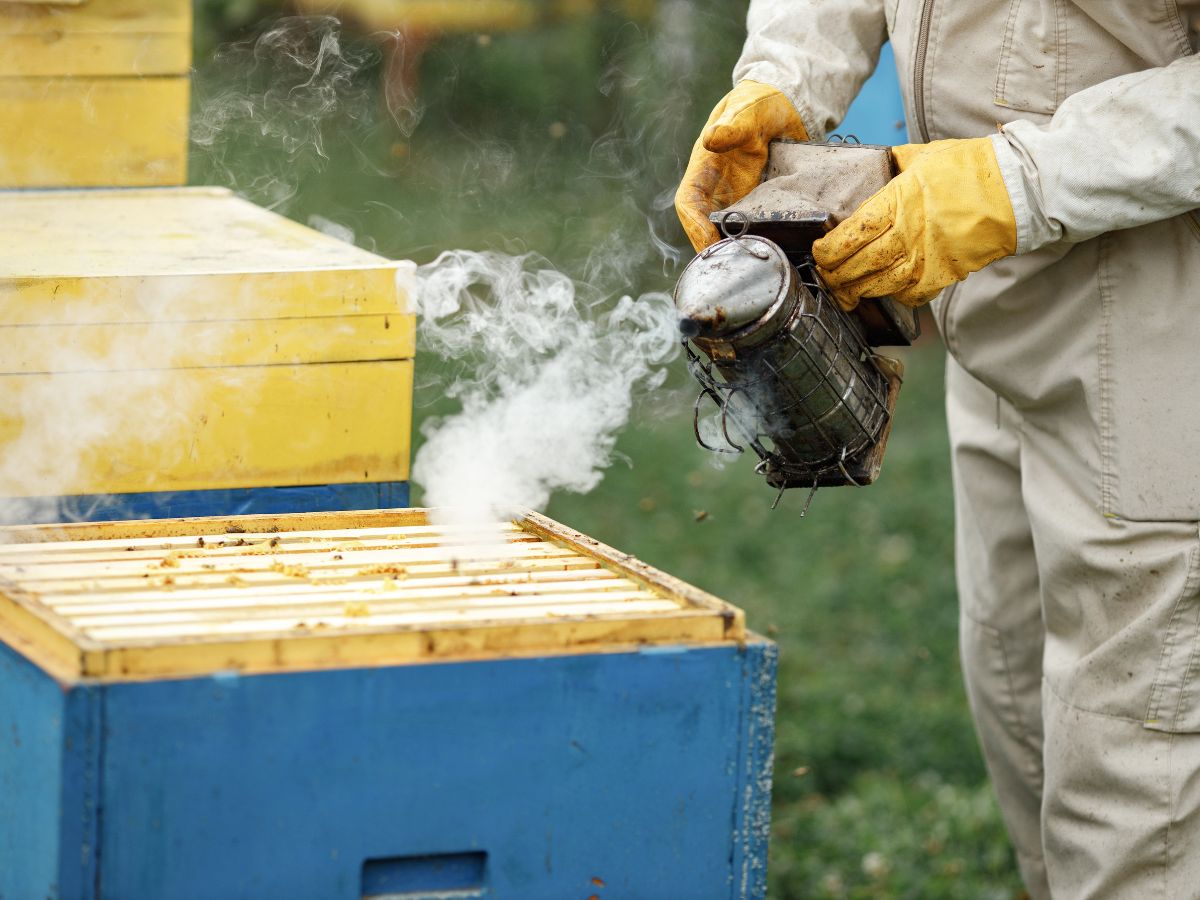
Using a bee smoker effectively is crucial for maintaining a calm environment while inspecting a beehive. Proper techniques not only ensure the safety of the beekeeper but also promote the well-being of the bees. Understanding how to approach the hive, the timing for applying smoke, and adhering to best practices can significantly enhance the bee-keeping experience.Approaching a beehive should be done with care and respect for the bees.
When utilizing a smoker, it is essential to create a peaceful atmosphere to minimize stress for the hive. One effective method is to approach the hive from the side or rear instead of directly from the front, which is where the bees are most active. A gentle puff of smoke should be applied to the entrance of the hive, allowing the bees to become accustomed to the presence of the beekeeper.
Timing and Frequency of Smoke Application during Hive Inspections
The timing and frequency of applying smoke are critical components of ensuring a successful hive inspection. Smoke should be used strategically throughout the process to keep bees calm and prevent aggressive behavior. Before opening the hive, it is advisable to apply a few puffs of smoke at the entrance to alert the bees and allow them to react. This initial application can help reduce the bees’ defensiveness.
During the inspection, additional smoke can be applied when the beekeeper observes increased activity or agitation among the bees. The frequency of smoke application will depend on the behavior of the bees; it is important to remain observant and responsive to their reactions.
Best Practices Checklist for Using a Bee Smoker
Implementing best practices while using a bee smoker can enhance the overall efficiency and safety of hive inspections. Below is a checklist that beekeepers should follow:
- Always ensure the smoker is lit and producing cool smoke before approaching the hive.
- Use a fireproof surface to place the smoker when not in use to prevent accidental fires.
- Maintain a safe distance from the hive while puffing smoke to avoid alarming the bees.
- Apply smoke judiciously, using minimal amounts to avoid overwhelming the bees.
- Monitor the smoker’s fuel supply, adding fuel as necessary to maintain steady smoke production.
- After inspection, safely extinguish the smoker to prevent any fire hazards.
Effective use of a bee smoker involves patience and awareness of bee behavior, which leads to a safer and more productive hive inspection.
Safety Considerations When Using a Bee Smoker
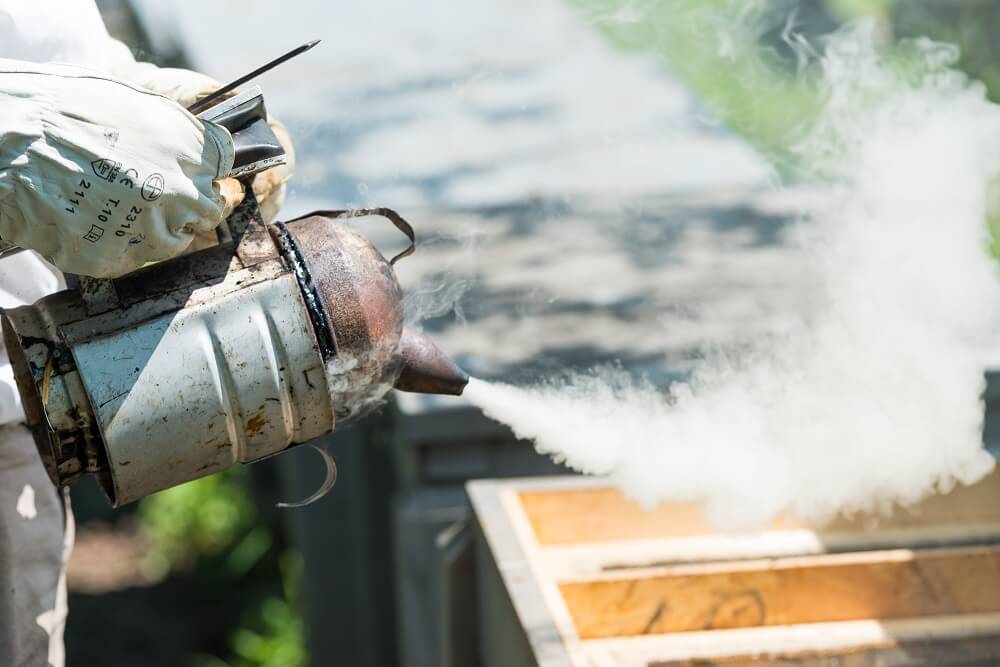
Using a bee smoker is an essential practice in beekeeping, but it comes with certain risks that need to be managed effectively. Understanding the potential hazards and taking appropriate safety measures can help to ensure a safe and productive experience while working with bees. This section Artikels critical safety considerations associated with the use of bee smokers, including potential hazards, necessary safety gear, and emergency procedures for dealing with any accidents that may arise.
Potential Hazards Associated with Bee Smokers
Bee smokers produce smoke through combustion, which introduces several hazards. Recognizing these risks is vital for maintaining a safe environment during beekeeping activities. Key hazards include:
- Fire Risk: The burning material inside the smoker can pose a significant fire hazard, especially if flammable substances are used or if the smoker is not handled properly.
- Burn Injuries: The smoker’s metal parts can reach extremely high temperatures, leading to the risk of burns if touched inadvertently.
- Smoke Inhalation: While the smoke is intended to calm bees, improper use can result in excessive exposure to smoke, which may lead to respiratory issues.
Safety Gear for Smoker Use
Wearing appropriate safety gear is crucial when using a bee smoker. Proper protection can significantly minimize the risks associated with handling fire and smoke. Recommended safety gear includes:
- Protective Gloves: Heat-resistant gloves should be worn to prevent burns when handling the smoker.
- Bee Suit: A full bee suit protects against bee stings and provides an additional layer of safety when working with smoke.
- Face Protection: A veil or face shield can help prevent bees from reaching the face, while also protecting against smoke exposure.
- Respirator or Mask: In environments where smoke exposure may be significant, a respirator or smoke mask should be worn to protect the respiratory system.
Emergency Procedures for Smoker Accidents
In the event of an accident involving a bee smoker, it is essential to have emergency procedures in place to address potential injuries and minimize damage. Key procedures include:
- Extinguishing Fires: Always have a suitable fire extinguisher or bucket of water nearby to extinguish any fires caused by the smoker. Ensure that all personnel know how to use these tools effectively.
- Treating Burns: In case of burns, remove any clothing from the affected area and cool the burn under running water for at least 10-15 minutes. Seek medical attention for severe burns.
- Managing Smoke Inhalation: If someone experiences difficulty breathing due to smoke inhalation, move them to fresh air immediately and seek medical help if symptoms persist.
It is imperative that all beekeepers prioritize safety when using bee smokers to protect themselves, their bees, and their surroundings.
Maintenance and Care for Bee Smokers
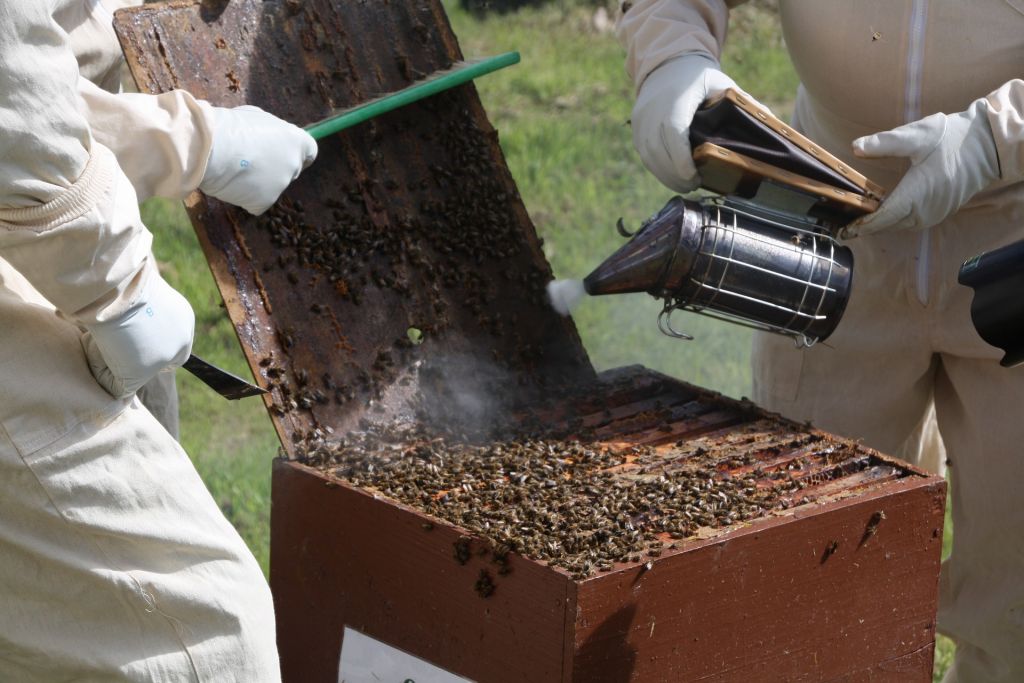
Maintaining and caring for your bee smoker is essential for ensuring its longevity and optimal performance. Regular upkeep not only enhances the efficiency of the smoker but also contributes to the overall health of your beekeeping practices. Proper maintenance involves cleaning, inspecting, and addressing any issues that may arise during usage.Regular maintenance and inspection of a bee smoker are crucial for several reasons.
A well-maintained smoker functions more effectively, reduces the risk of malfunction, and ensures a steady flow of smoke when needed. Neglecting maintenance can lead to problems such as clogging, inefficient smoke production, and even damage to the smoker’s components. By adopting a structured approach to maintenance, beekeepers can avoid these issues and ensure a reliable tool for their beekeeping activities.
Cleaning a Bee Smoker After Use
Cleaning your bee smoker after each use is vital to keep it in good working condition. The buildup of residues can affect its performance and longevity. Here are the steps to effectively clean your bee smoker:
1. Disassemble the Smoker
Carefully take apart the smoker, removing the lid and the baffle (if applicable). This allows for thorough cleaning of all components.
2. Empty the Chamber
Remove any remaining fuel and ash from the combustion chamber. A soft brush can help dislodge stubborn residues.
3. Soak Components
For any parts that are heavily soiled, such as the baffle, soaking them in warm soapy water can help loosen grime.
4. Scrub and Rinse
Using a soft cloth or sponge, scrub each component to remove any remaining residues. Rinse thoroughly with clean water to eliminate soap and debris.
5. Dry Thoroughly
Allow all components to dry completely before reassembling the smoker. This prevents rust and other moisture-related issues.
Importance of Regular Maintenance and Inspection
Conducting regular inspections of your bee smoker can help identify potential problems before they escalate. Here are key aspects to focus on during maintenance:
Check the Seal
Ensure that the lid fits securely to maintain optimal pressure and smoke production.
Inspect the Fuel Source
Use suitable materials for fuel, such as pine needles, burlap, or wood shavings, and ensure they are dry and free from contaminants.
Examine the Baffle
The baffle is critical for regulating airflow; ensure it is clean and functioning properly to prevent smoke from escaping unnecessarily.
Common Problems from Improper Care and Solutions
Improper care of bee smokers can lead to several common issues that may hinder their performance. Recognizing these problems and knowing how to fix them can save beekeepers time and resources.
Clogged Nozzle
A buildup of soot or debris can clog the nozzle, reducing smoke output.
Solution
Clean the nozzle with a small brush or wire to ensure unobstructed airflow.
Rust Formation
Leaving the smoker in damp conditions can lead to rust.
Solution
Store the smoker in a dry place and consider applying a light coat of oil on metal parts to prevent moisture accumulation.
Damaged Components
Wear and tear can cause parts to become loose or damaged.
Solution
Regularly inspect components for signs of damage and replace any that are worn or compromised to ensure efficient operation.By following these maintenance and care guidelines for your bee smoker, you can enhance its performance and extend its lifespan, ensuring a better beekeeping experience.
Troubleshooting Common Issues with Bee Smokers
In the realm of beekeeping, the functionality of a bee smoker is crucial for managing and calming bees during hive inspections. However, like any tool, bee smokers can encounter issues that impede their effectiveness. Understanding how to troubleshoot these common problems is essential for maintaining a smooth beekeeping experience.
Failure to Produce Smoke
When a bee smoker fails to produce smoke, it can disrupt your beekeeping activities. There are several potential causes for this issue, which can usually be resolved with proper attention.
Insufficient Fuel
Ensure the fuel used is dry and capable of producing smoke. The most effective fuels include dried leaves, pine needles, or specialized smoker fuel pellets.
Blockage in Airflow
Check the air inlet and outlet for blockages. Clear any obstructions to ensure proper airflow through the smoker.
Wet or Damp Fuel
If the fuel is damp, it will not ignite properly. Always store your fuel in a dry place and consider using new, dry material if you suspect moisture has affected your stock.
Regular checks for fuel condition and airflow can prevent common smoking issues.
Uneven Smoke Output
Uneven smoke output can be frustrating and detrimental during hive management. This inconsistency often arises from a few key factors.
Fuel Layering
Improper layering of the fuel can cause uneven burning. Start with larger pieces of fuel at the bottom and gradually add smaller pieces, ensuring a consistent burn.
Smoker Orientation
The orientation of the smoker can impact the airflow. Ensure the smoker is held upright and not tilted, as this can affect how the smoke is generated.
Airflow Adjustment
The air intake should be adjustable. If the smoker is producing too much or too little smoke, adjust the air vent to control the airflow, thus enhancing the smoke output.
Consistent smoke output is vital for effectively managing bee behavior during inspections.
Signs of Replacement or Repair Needs
Recognizing when a bee smoker requires replacement or repair is vital to ensuring its reliability. Certain signs indicate that your smoker may no longer be functioning optimally.
Physical Damage
Inspect for rust, cracks, or holes in the smoker body. Any significant physical damage can compromise the smoker’s ability to produce smoke effectively.
Ineffective Smoke Production
If attempts to troubleshoot smoke production issues fail repeatedly, it may indicate that the smoker’s components are worn out or damaged.
Heat Retention Problems
If the smoker does not retain heat as effectively as it once did, consider checking the insulation or overall construction. A smoker that cools quickly may not provide the necessary smoke for effective bee management.
Regular maintenance checks can extend the lifespan of your bee smoker and enhance its performance.
Conclusion and Best Practices
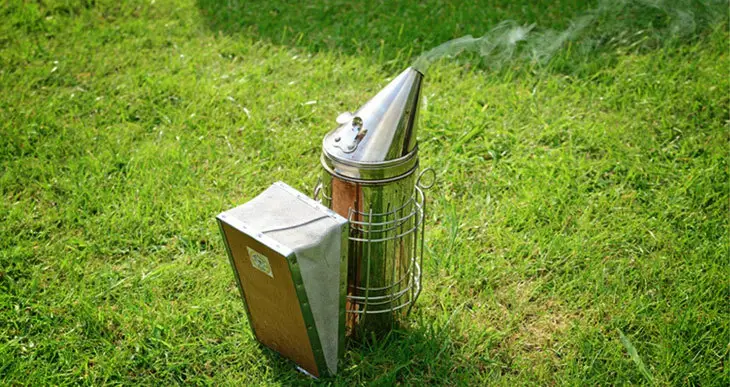
The effective use of a bee smoker is paramount for a successful beekeeping experience. A well-managed smoker not only calms bees during hive inspections but also minimizes the risk of stings, ensuring both beekeeper and bees maintain a safe and productive interaction. Understanding the intricacies of proper smoker use enhances the overall management of bee colonies.To summarize the vital aspects of using a bee smoker effectively, here are several best practices that seasoned beekeepers often emphasize:
- Always ensure your smoker is adequately filled and properly lit to maintain a consistent flow of smoke.
- Choose the right fuel for your smoker; natural materials such as pine needles, burlap, or wood shavings can produce the best smoke.
- Apply smoke in measured doses, as excessive smoking can alarm bees rather than soothe them.
- Regularly inspect and maintain your smoker to avoid malfunctions during critical moments.
- Familiarize yourself with the unique behaviors of your bee species to determine the optimal times to use the smoker.
Many experienced beekeepers have shared personal anecdotes that highlight the significance of well-timed and appropriate smoker usage. For instance, one beekeeper recounted an instance where a quick puff of smoke calmed an agitated hive, preventing a potentially dangerous situation. This highlights the importance of mastering the art of smoking to establish a peaceful atmosphere for both bees and beekeepers. Another beekeeper mentioned that using a smoker effectively during a honey harvest not only ensured a smoother process but also contributed to higher honey yields due to less bee disturbance.Looking to the future, advancements in bee smoker technology are on the horizon.
Innovations such as electric smokers, which offer consistent heat and smoke output, may become more prevalent, providing beekeepers with easier and more efficient ways of managing their hives. Additionally, the incorporation of smart technology into bee smokers could allow for real-time monitoring of smoke levels and temperature, ensuring optimal conditions for beekeeping while minimizing human error. These trends reflect a growing recognition of the importance of technology in enhancing beekeeping practices, making them more accessible and efficient for both novice and experienced beekeepers alike.
Epilogue
In conclusion, mastering the art of using a bee smoker is crucial for successful beekeeping. By adhering to best practices and prioritizing safety, you can ensure a more harmonious experience with your bees. As you gain experience, consider sharing personal insights with your fellow beekeepers, fostering a community of knowledge and innovation that continues to advance bee smoker technology for the future.