How to Use a Hive Tool Like a Pro is an essential guide for both novice and experienced beekeepers eager to enhance their skills. The hive tool is a fundamental instrument that facilitates various tasks in beekeeping, ensuring the safety and efficiency of the beekeeper while tending to their bees. Understanding how to effectively utilize this tool can significantly improve hive management and contribute to a thriving apiary.
This guide will walk you through the different types of hive tools available, essential techniques for their use, and advanced methods that can elevate your beekeeping practice. Additionally, we will cover maintenance tips to prolong the life of your tools and necessary safety precautions to ensure a secure beekeeping experience.
Understanding Hive Tools
In the realm of beekeeping, the effectiveness of your practices often hinges on the tools at your disposal. Hive tools are essential components that assist beekeepers in managing their hives with efficiency and precision. Understanding the various types of hive tools and their specific functions can significantly enhance your beekeeping experience and promote the health of your bee colonies.The primary hive tools available to beekeepers each serve unique purposes, designed to address different tasks within the hive.
The most common tools include the hive tool, smoker, bee brush, and bee suit. Each of these instruments plays a critical role in ensuring the safety and well-being of both the bees and the beekeeper.
Types of Hive Tools
A comprehensive understanding of the hive tools used in beekeeping is essential for effective hive management. Below are descriptions of the most commonly used hive tools and their specific functions:
- Hive Tool: A versatile tool primarily used for prying apart hive components, scraping wax and propolis, and facilitating various maintenance tasks.
- Smoker: A device that produces smoke to calm bees during hive inspections, reducing their defensive behavior and making them easier to handle.
- Bee Brush: A soft-bristled brush used to gently remove bees from frames or areas that need inspection without harming them.
- Bee Suit: Protective clothing worn by beekeepers to safeguard against bee stings during hive management and inspections.
The function of these tools goes beyond their basic uses; they embody the principles of safe and efficient beekeeping. Utilizing the right hive tool can lead to improved hive health and productivity.
Components of a Standard Hive Tool
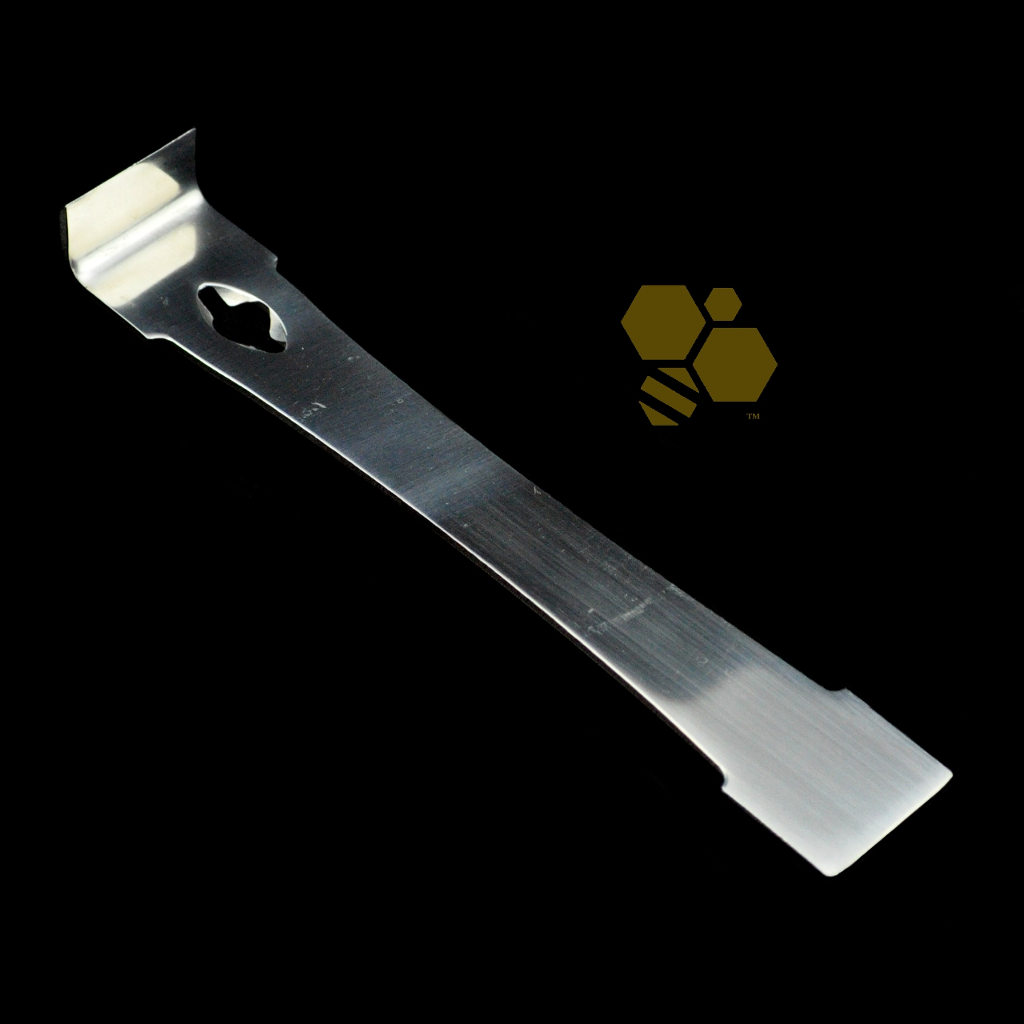
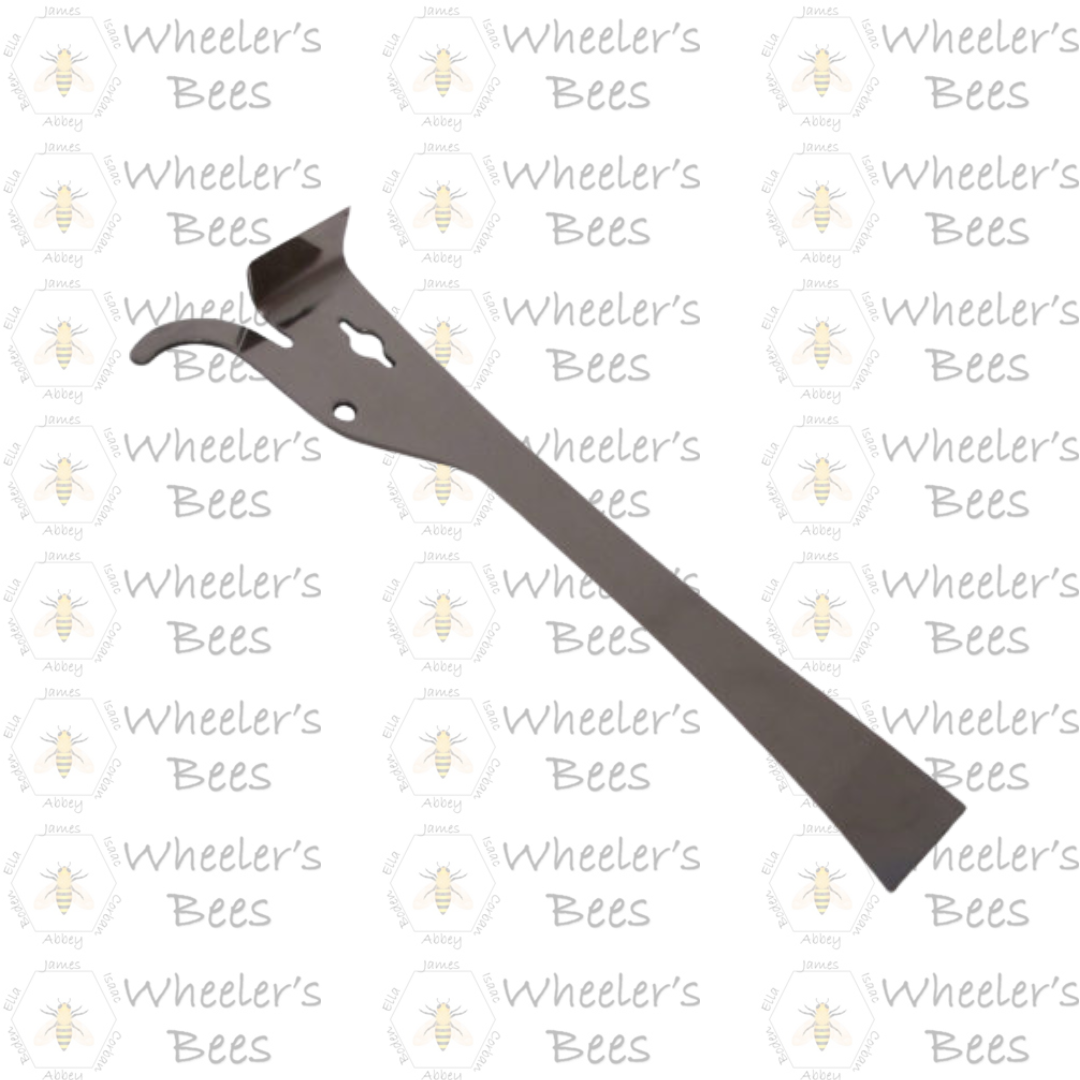
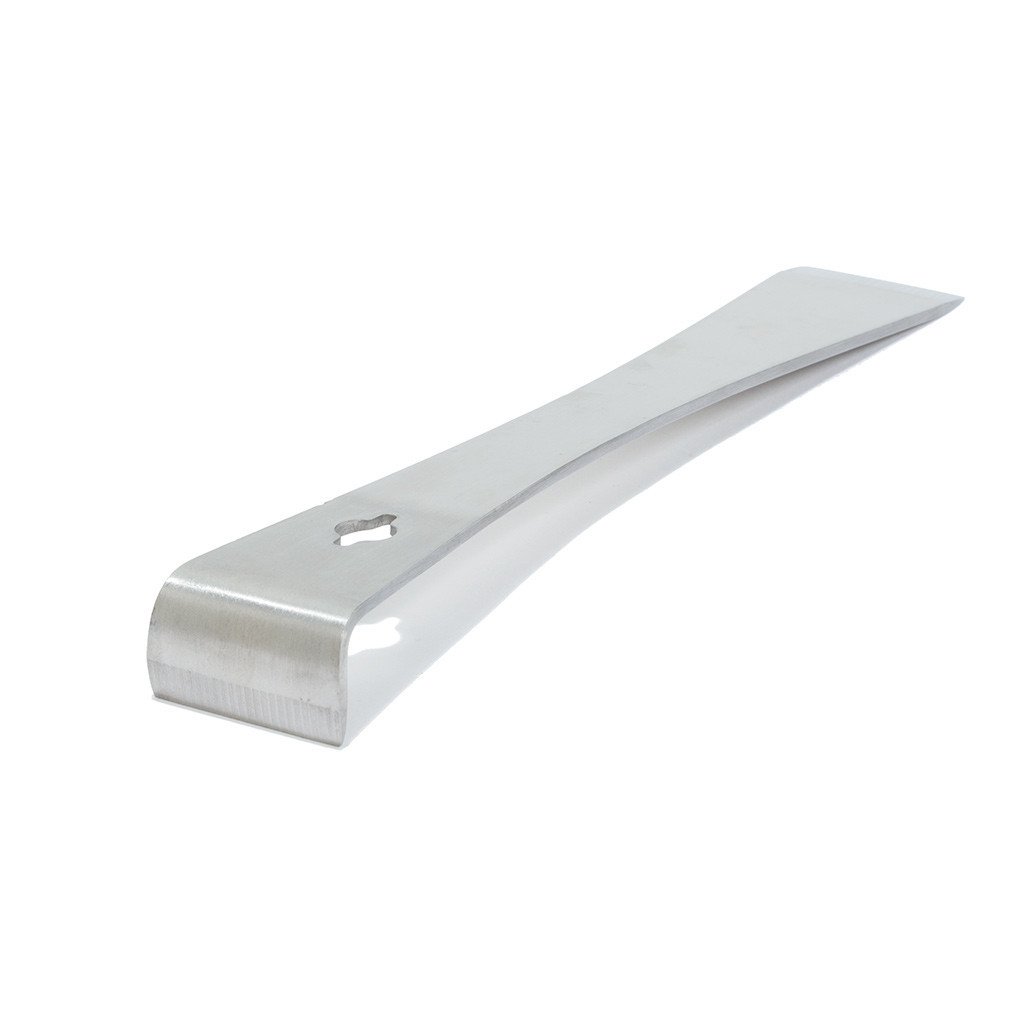
The hive tool is often regarded as the most essential tool for any beekeeper. A standard hive tool typically consists of two primary components: a flat blade and a curved end. The flat blade is designed for prying apart hive bodies or supers, while the curved end can be used for scraping and removing debris. The effectiveness of the hive tool is amplified by its design, which allows beekeepers to perform multiple tasks with ease.
Its sturdy construction ensures durability, making it a reliable companion in all beekeeping activities.
Importance of Using the Right Hive Tool
Selecting the appropriate hive tool for specific tasks is crucial in beekeeping. Each tool is designed with particular functions in mind, and using a tool that aligns with the task can lead to better outcomes. For instance, using a smoker during hive inspections minimizes bee agitation, while a bee brush allows for gentle handling of bees when checking frames.Using the wrong tool may result in disrupted hive conditions, increased stress for the bees, or even personal injury.
A knowledgeable beekeeper recognizes the significance of each tool and its application, ensuring a harmonious relationship with their bee colonies.In summary, understanding hive tools is integral to successful beekeeping. By familiarizing oneself with the various types of hive tools, their components, and their importance, beekeepers can enhance their skills and foster a healthier environment for their bees.
Essential Techniques for Using a Hive Tool
The effective use of a hive tool significantly enhances the beekeeping experience by facilitating tasks while minimizing stress on both the beekeeper and the bees. Mastering essential techniques is crucial to ensure efficiency and safety when working with these vital instruments. This section Artikels the necessary skills that every beekeeper should develop to handle a hive tool proficiently.
Proper Grip and Handling Methods
Maintaining an appropriate grip on the hive tool optimizes performance and reduces the risk of accidents. A secure yet comfortable grip allows for better control and precision.
- Use a dominant hand to hold the hive tool, ensuring that your fingers wrap around the handle firmly but without excessive force, which could lead to fatigue over time.
- Position your thumb along the side of the handle for additional stability, allowing for finer movements when maneuvering the tool.
- Keep your wrist straight and relaxed to prevent strain. This position supports maximum leverage for prying and scraping tasks.
Steps to Safely Open a Beehive
Opening a beehive requires careful preparation and technique to prevent disturbances to the colony. Following these steps ensures both beekeeper safety and minimal stress for the bees.
- Start by approaching the hive calmly and slowly to avoid alarm.
- Use a smoker to calm the bees. Light the smoker and puff a few gentle bursts of smoke at the hive entrance and along the seams.
- Grip the hive tool and insert it carefully between the lid and the hive body at one corner.
- Gently pry upwards with a slight twisting motion to loosen the lid. Avoid excessive force to prevent damage to the hive components.
- Once the lid is free, remove it and place it in a safe position, ensuring it does not obstruct your access to the hive.
Removing Frames with Minimal Disturbance
To ensure the health and productivity of the bee colony, it is essential to remove frames from the hive with minimal disturbance. This approach maintains the bees’ natural behavior and reduces the risk of getting stung.
“Minimizing disturbance during frame removal fosters a harmonious environment, allowing bees to continue their vital work.”
To remove frames effectively, follow these guidelines:
- Before removing any frame, take a moment to observe the bees’ behavior. Look for areas of calm where bees are less active.
- Using the hive tool, gently lift the frame adjacent to the one intended for removal to create space.
- Slide the hive tool under the frame you wish to extract, ensuring that you approach the base of the frame.
- Lift the frame slowly and steadily, angling it slightly to avoid crushing any bees during the process.
- Once removed, hold the frame vertically and assess it away from the hive to allow the remaining bees to settle down.
Maintenance and Care of Hive Tools
Regular maintenance and care of hive tools are essential for ensuring their longevity and effectiveness. Properly maintained tools not only enhance the efficiency of your beekeeping operations but also promote safety during their use. By adhering to best practices in cleaning, inspecting, and replacing hive tools, beekeepers can maintain a productive environment for both the bees and the beekeeper.
Best Practices for Cleaning and Maintaining Hive Tools
Cleaning hive tools after each use is crucial to prevent the spread of diseases among bee colonies. The following methods Artikel effective cleaning techniques:
- Soap and Water: A simple solution of warm water and mild soap can effectively remove wax, propolis, and dirt from tools. Ensure thorough rinsing and drying to prevent rust.
- Alcohol Wipes: For quick disinfection, alcohol wipes can be used to clean tools after contact with different hives.
- Heat Treatment: Heating stainless steel tools can kill pathogens. Use a propane torch to briefly heat the tools before and after use.
Proper storage is an additional factor in maintaining hive tools. Keeping them in a dry, clean environment reduces the risk of rusting or deterioration.
Materials Suitable for Hive Tool Maintenance
Selecting the right materials is vital for effective maintenance of hive tools. The following materials are highly recommended for their durability and resistance to wear:
- Stainless Steel: This material is resistant to rust and corrosion, making it an ideal choice for hive tools. It is easy to clean and maintains a sharp edge.
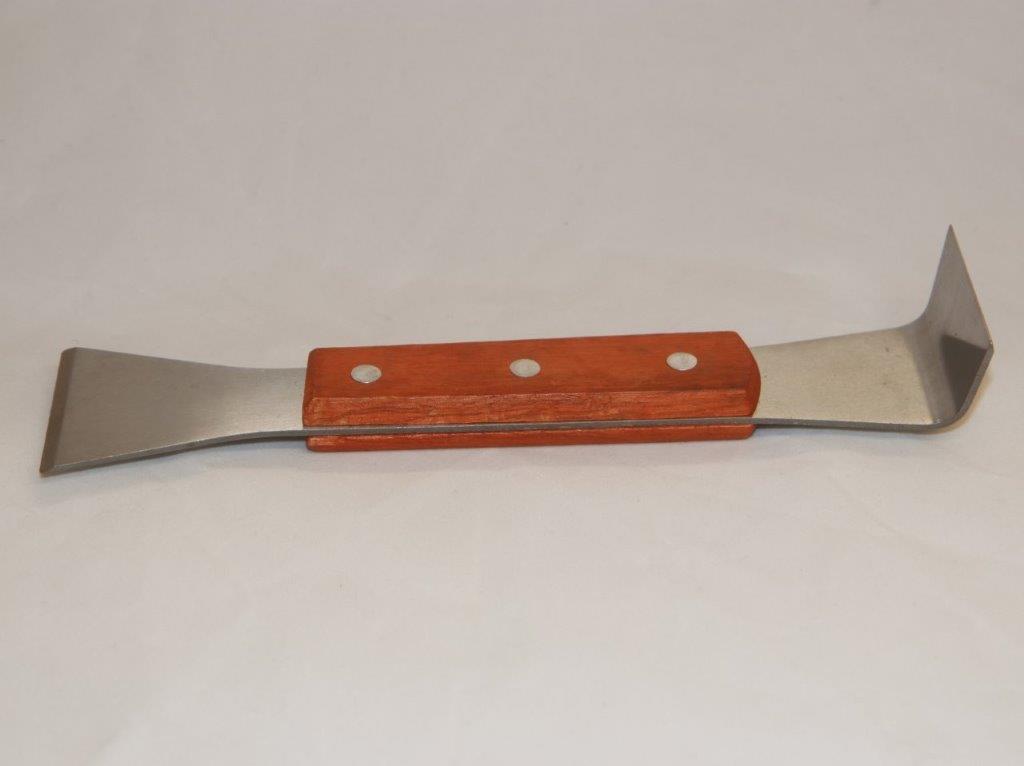
- Wood: Wooden handles are often found on hive tools and provide a comfortable grip. However, they require periodic oiling to prevent drying and cracking.
- Plastic: Some hive tools feature plastic components which are lightweight and resistant to chemicals. Ensure that the plastic is durable enough to withstand regular use.
Using suitable materials not only extends the life of your tools but also ensures safe and effective handling during beekeeping activities.
Inspection of Hive Tools for Wear and Tear
Regular inspection of hive tools for signs of wear and tear is a critical component of their maintenance. Beekeepers should look for the following indicators that suggest a need for replacement:
- Rust or Corrosion: Tools showing significant rust or corrosion may compromise performance and should be replaced immediately.
- Cracks or Splits: Wooden handles with cracks or splits can lead to accidents and should be replaced to ensure safety.
- Dull Edges: A dull blade can be ineffective in hive management. Proper sharpening or replacement may be necessary.
Routine inspections should be conducted at the beginning and end of each beekeeping season to ensure that all tools are in optimal condition for use. By adhering to these maintenance and care practices, beekeepers can ensure the longevity and efficiency of their hive tools.
Advanced Hive Tool Techniques
The use of hive tools extends beyond basic operations, allowing beekeepers to perform a variety of advanced techniques that enhance hive management. Mastering these techniques not only improves efficiency but also fosters healthier bee colonies and more productive hives. This section delves into specific methods for utilizing hive tools effectively and offers a comprehensive guide for conducting hive inspections.
Methods for Using a Hive Tool for Specific Beekeeping Tasks
Hive tools are indispensable for various tasks in beekeeping. Below are several methods that illustrate how to leverage a hive tool effectively:
- Removing frames: Carefully slide the flat edge of the hive tool under a frame to loosen it from the bees’ propolis and wax attachment. Use a gentle rocking motion to avoid damaging the frame or harming the bees.
- Scraping: Use the pointed end of the hive tool to scrape away excess wax or propolis buildup at the hive entrance or on the frames. This helps maintain hive cleanliness and accessibility.
- Breaking apart stuck boxes: When boxes become sealed due to propolis, insert the flat edge of the hive tool between the boxes and gently twist to separate them without causing damage to the wood.
- Checking for pests: While inspecting, utilize the hive tool to lift frames and inspect for pests such as Varroa mites or wax moths, ensuring that the colony remains healthy.
Step-by-Step Guide to Performing a Hive Inspection Using a Hive Tool
Conducting a thorough hive inspection is crucial for monitoring the health and productivity of the colony. Here is a step-by-step guide to performing a hive inspection using a hive tool:
1. Preparation
Ensure you have all necessary equipment ready, including a smoker, protective clothing, and your hive tool.
2. Smoke the Entrance
Light the smoker and puff a small amount of smoke at the hive entrance to calm the bees before opening the hive.
3. Remove the Hive Cover
Using the flat edge of your hive tool, gently pry off the hive cover, being cautious of any bees on top.
4. Inspect the Frames
Lift the first frame using the hive tool. Scrape off any propolis and inspect both sides of the frame for brood patterns, honey stores, and signs of disease or pests.
5. Continue Inspection
Repeat the process for each frame, carefully replacing them to avoid crushing bees.
6. Evaluate the Queen’s Presence
Look for the queen and assess her health and egg-laying patterns, crucial indicators of colony health.
7. Reassemble the Hive
Once the inspection is complete, carefully replace the frames and cover, ensuring all components are secure to prevent bees from escaping.
Strategies for Using Multiple Hive Tools Efficiently During a Single Beekeeping Session
Utilizing multiple hive tools effectively can greatly streamline your beekeeping tasks. The following strategies Artikel how to manage various tools efficiently during hive inspections:
Tool Selection
Prepare a set of tools tailored to the specific tasks at hand, including a hive tool, bee brush, and a frame grip. Having the right tools on hand reduces time spent switching between them.
Organized Work Area
Set up an organized workspace near the hives to keep tools within easy reach. This minimizes time spent searching for tools during inspections.
Task Delegation
If working in a team, assign specific tools and tasks to each member. For example, one person can manage the smoker while another handles frame inspections with the hive tool.
Use of a Tool Belt
Wearing a tool belt allows for quick accessibility to multiple tools without needing to return to a designated area. This promotes a more fluid workflow during inspections.
Maintenance on the Go
Regularly check and clean your tools during breaks. This habit ensures that tools are always in optimal condition for use and enhances overall efficiency.
Efficient hive tool usage significantly impacts the success of hive management and the overall health of the bee colony.
Safety Precautions When Using Hive Tools
When engaging with hive tools in beekeeping, safety should be a top priority. The use of these tools often involves close proximity to bees and potential hazards that can lead to injuries. Understanding the necessary safety precautions can ensure a safer and more productive experience while working with hives.
Necessary Safety Gear
Wearing the appropriate safety gear is essential when using hive tools to minimize the risk of accidents and injuries. The following safety equipment should always be utilized:
- Bee Suit: A full bee suit with a veil protects your body from bee stings and is designed to provide ventilation while being sting-resistant.
- Gloves: Beekeeping gloves, preferably made of leather or thick fabric, safeguard your hands against stings and scrapes. Ensure they fit well to maintain dexterity while handling tools.
- Boots: Sturdy, closed-toe boots should be worn to protect feet from accidental drops of heavy tools or hive components.
- Smoking Equipment: A smoker calms bees and reduces the likelihood of defensive behaviors; using it correctly is crucial to maintaining safety.
Common Hazards and Avoidance Strategies
The use of hive tools presents several risks, including bee stings and injuries from tool misuse. Awareness of these hazards and adopting preventive measures can significantly reduce potential accidents. Key hazards include:
- Bee Stings: Reactions to bee stings can range from mild irritation to severe allergic reactions. Always wear protective gear and avoid swatting at bees, which can provoke them.
- Injuries from Hive Tools: Sharp or heavy tools can cause cuts or bruises. Always check tools for damage and ensure they are handled with care, keeping sharp edges away from the body.
- Slips and Falls: Uneven terrain around hives may cause trips or falls. Maintain a clean area around hives and wear appropriate footwear for better grip.
First Aid Steps for Bee Stings and Accidents
In the event of injuries such as bee stings or accidents while handling hive tools, knowing the appropriate first aid steps can be crucial. Follow these guidelines:
- For Bee Stings: Remove the stinger promptly by scraping it out with a flat object to minimize venom injection. Apply a cold compress to reduce swelling and take antihistamines if necessary. Monitor for signs of an allergic reaction, such as difficulty breathing or swelling beyond the sting site.
- For Cuts and Scrapes: Clean the wound with soap and water, apply an antiseptic, and cover it with a sterile bandage. Seek medical attention if the wound is deep or shows signs of infection.
- For Severe Allergic Reactions: If an individual experiences symptoms like hives, swelling, or difficulty breathing, call emergency services immediately and administer an epinephrine auto-injector if available.
Hive Tool Innovations and Trends
Recent advancements in hive tool design have significantly influenced both the efficiency and effectiveness of beekeeping practices. With an increased focus on ergonomics, durability, and ease of use, modern beekeepers now have access to a range of innovative tools that enhance their daily operations and promote healthier hive management. This section will delve into the latest trends in hive tool development, contrasting traditional designs with contemporary innovations that cater to the evolving demands of beekeepers.
Recent Innovations in Hive Tool Design
The landscape of hive tools has undergone remarkable changes in recent years, driven by technological advancements and a deeper understanding of bee behavior. Modern hive tools now incorporate materials and designs that improve usability and durability. Key innovations include the following:
- Ergonomic Handles: Many new hive tools feature ergonomically designed handles that reduce strain during prolonged use. This is particularly beneficial for beekeepers who spend extensive hours managing their hives.
- Multi-Function Tools: Innovations have led to the creation of tools that combine multiple functions, such as a hive tool that also serves as a smoker or a queen excluder. This versatility reduces the need for multiple implements, allowing beekeepers to work more efficiently.
- Lightweight Materials: The introduction of advanced composite materials has resulted in lighter yet robust hive tools. These materials enhance portability without sacrificing performance, permitting beekeepers to easily transport their tools.
- Built-In Safety Features: Some modern hive tools now integrate safety mechanisms, such as blade guards or non-slip grips, minimizing the risk of accidents during hive inspections.
Comparison of Traditional Hive Tools with Modern Alternatives
Traditional hive tools, characterized by their simplicity and effectiveness, have served beekeepers well over the years. However, the emergence of modern alternatives has shifted the paradigm in hive management. A comparative analysis reveals several key differences:
- Functionality: Traditional tools typically focus on basic hive manipulation, whereas modern alternatives often include features that enhance functionality, such as integrated measuring systems for accurate inspections.
- Durability: While traditional hive tools are generally made from metals that can rust, modern tools frequently utilize corrosion-resistant materials, extending their lifespan and reducing maintenance requirements.
- Usability: Beekeepers using traditional tools may experience fatigue due to inadequate design, whereas contemporary tools prioritize ergonomic handling to improve user comfort.
- Technology Integration: Modern tools increasingly incorporate technology, such as sensors that monitor hive conditions and provide data to beekeepers via smartphone applications, a feature absent in traditional designs.
Trends Influencing Hive Tool Usage and Development
Current trends in beekeeping highlight the importance of sustainability and efficiency, which are heavily influencing the development of hive tools. The following trends are particularly noteworthy:
- Sustainable Beekeeping Practices: There is a growing emphasis on tools made from sustainable materials or those that minimize environmental impact, aligning with the increasing consciousness among beekeepers regarding ecological issues.
- Data-Driven Beekeeping: The adoption of technology in beekeeping is growing, leading to tools that not only assist in physical hive management but also provide data analytics for optimal hive health and productivity.
- Community Collaboration: Many new tools are a result of collaboration between beekeepers, designers, and engineers, focusing on practical solutions that address common challenges faced in hive management.
Practical Applications and Scenarios
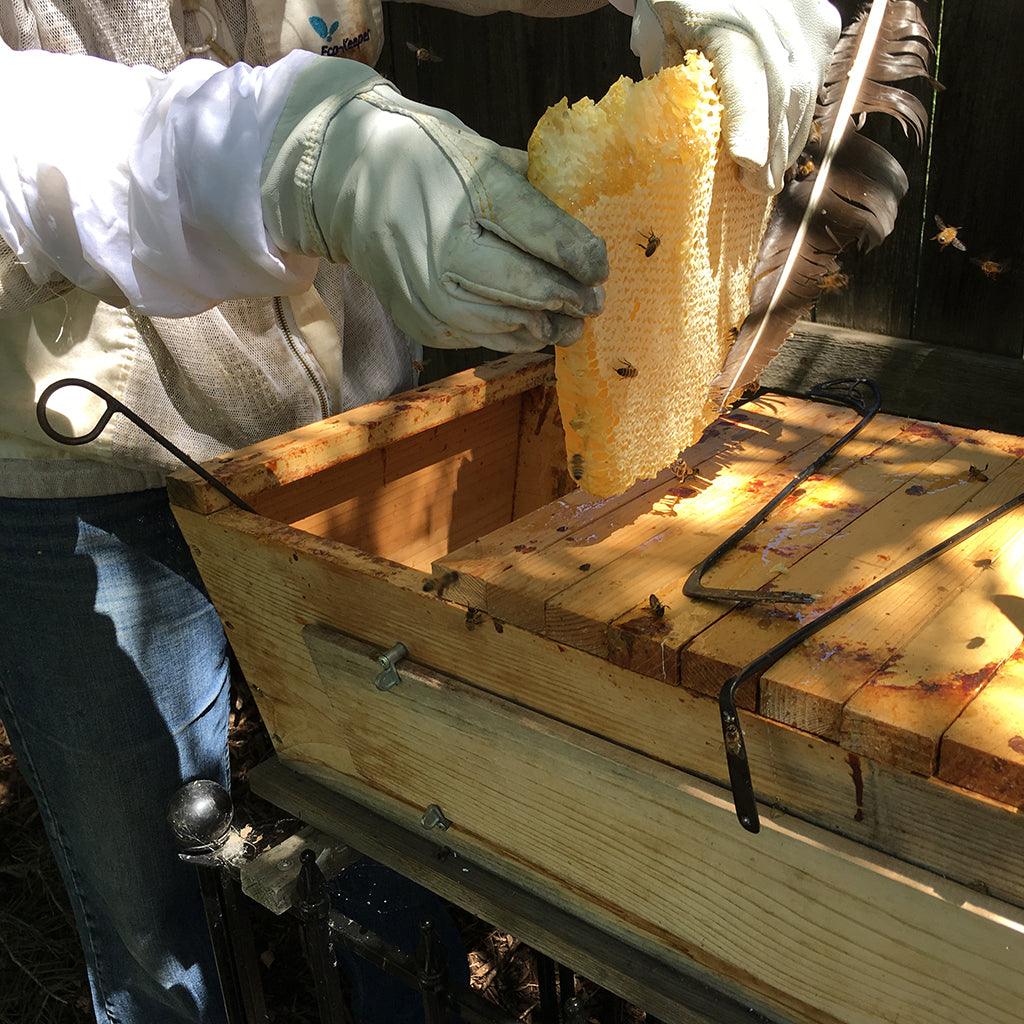
In beekeeping, the effective use of hive tools can greatly enhance the efficiency and safety of various tasks. From swarm collection to honey extraction, understanding how to apply these tools in practical scenarios is crucial for successful beekeeping. This section provides detailed examples of specific situations where hive tools play a pivotal role, ensuring that beekeepers can approach their tasks with confidence and precision.
Swarm Collection Scenario
During a swarm collection, the hive tool serves as an essential instrument for safely managing the bees and their environment. In this scenario, a beekeeper encounters a swarm that has settled in a tree branch. The following steps Artikel how to effectively use a hive tool in this situation:
1. Preparation
Equip yourself with protective gear, including a bee suit, gloves, and a veil. Ensure you have your hive tool, a collection box or hive, and a smoker for calming the bees.
2. Assessment
Observe the swarm’s location. Choose an accessible position for collection while ensuring minimal disturbance to the bees.
3. Calming the Bees
Light the smoker and puff smoke towards the swarm. This prompts the bees to consume honey and become less agitated.
4. Use of the Hive Tool
With one hand, gently grasp the branch to stabilize it. Use the hive tool to scrape or pry the swarm off the branch, guiding the bees into the collection box.
5. Sealing the Box
After transferring the bees, secure the box with a lid to prevent their escape.
6. Transporting
Safely transport the box to your apiary or designated location for the new hive setup.This method emphasizes the hive tool’s role in safely handling bees and ensuring a successful swarm collection.
Honey Extraction Process
The honey extraction process is another key scenario where a hive tool is instrumental. Following is a step-by-step procedure for utilizing a hive tool in this process:
1. Removing Frames
Begin by using the hive tool to gently pry apart the frames from the hive. Insert the tool between the frames and twist to release them.
2. Cutting Cappings
Once the frames are removed, hold them over a shallow container. Use the hive tool to scrape off the wax cappings from the honey cells. This exposes the honey for extraction.
3. Placing Frames in Extractor
Carefully place the uncapped frames in the honey extractor, ensuring that they are oriented correctly to maximize honey flow.
4. Spinning the Extractor
Operate the honey extractor according to the manufacturer’s instructions, allowing centrifugal force to extract honey from the frames.
5. Collecting Honey
As the honey flows out of the extractor, direct it into a clean container, ensuring that no debris or wax particles contaminate the honey.
6. Cleaning Tools
After extraction, clean the hive tool thoroughly to remove any honey residue, preventing the buildup of bacteria and ensuring the tool’s longevity.This detailed process highlights the hive tool’s versatility and necessity in honey extraction, ensuring a high-quality yield.
Common Mistakes to Avoid When Using a Hive Tool
Understanding common mistakes when using a hive tool can prevent accidents and improve the effectiveness of the tasks performed. Here are notable mistakes to be aware of during hive tool usage:
Using Excessive Force
Applying too much force can damage frames and cause injury to the bees. It’s essential to use a gentle touch when prying apart or scraping frames.
Neglecting Safety Gear
Failing to wear protective gear can lead to bee stings. Always ensure you are appropriately dressed before handling hives.
Improper Tool Storage
Leaving hive tools exposed to the elements can lead to rust and deterioration. Store tools in a dry, controlled environment.
Ignoring Bee Behavior
Not observing the bees’ behavior can lead to agitated swarms. Always assess the bees’ mood before proceeding with hive management.
Inadequate Cleaning
Failing to clean the hive tool after use can result in cross-contamination between hives. Clean tools immediately after each use to maintain hygiene.Recognizing and avoiding these mistakes will enhance your hive management capabilities while ensuring the safety of both the beekeeper and the bees.
Closing Notes
In summary, mastering the use of hive tools is vital for anyone involved in beekeeping. From understanding the components and techniques to ensuring proper maintenance and adhering to safety precautions, being well-versed in these aspects will lead to more effective hive management. With the insights gathered here, you are now equipped to use a hive tool like a pro, ensuring both your safety and the well-being of your bees.