How to Use Cover Crops to Feed Your Honey Bees takes center stage as we explore the vital role that cover crops play in supporting not only sustainable agriculture but also the health of honey bee populations. Cover crops, often utilized to enhance soil health and biodiversity, serve as a rich source of nutrition for honey bees, offering a sanctuary of flowering plants that bloom throughout the growing season.
By incorporating cover crops into agricultural practices, beekeepers can create a thriving environment that fosters bee activity while simultaneously improving soil conditions. This harmonious relationship between cover crops and honey bees is essential, especially in light of the challenges faced by bee populations today, making this topic particularly relevant for those invested in both agriculture and the environment.
Introduction to Cover Crops
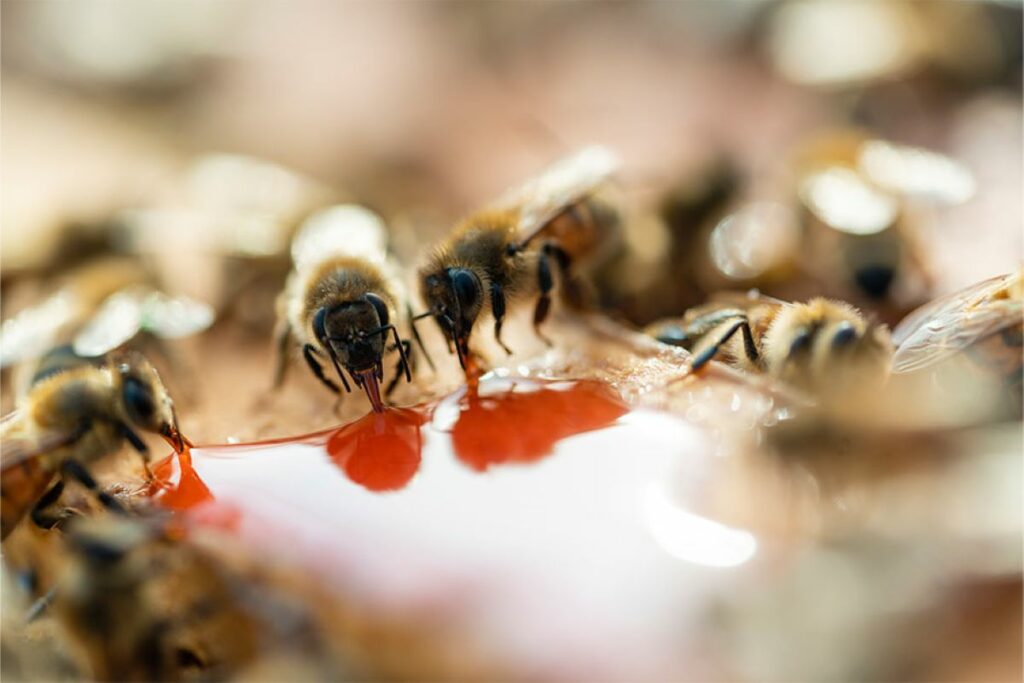
Cover crops are plants that are cultivated primarily for the benefit of the soil rather than for crop yield. These crops are typically grown in the off-season between main crops or as a way to enhance soil quality. Their purpose extends beyond mere ground cover; they play a crucial role in improving soil health and promoting biodiversity within agricultural ecosystems.The benefits of cover crops are numerous and significant.
They help prevent soil erosion, enhance soil structure, and increase organic matter, which leads to improved nutrient availability. Moreover, cover crops contribute to pest and weed management, reduce nutrient leaching, and improve water retention in the soil. By fostering a diverse microbial community in the soil, they also enhance overall soil fertility and resilience. In the context of supporting honey bees, certain cover crops provide essential nectar and pollen sources, thus improving pollinator health and productivity.
Common Cover Crops Suitable for Honey Bees
Several cover crops are particularly beneficial for honey bees due to their flowering patterns and nectar production. These crops can enrich the local ecosystem while supporting bee populations. Notable examples include:
- Crimson Clover: This legume not only fixes nitrogen in the soil but also produces abundant flowers that attract bees with a rich supply of nectar.
- Sweet Clover: Known for its tall growth and sweet-smelling blooms, sweet clover is an excellent source of nectar for bees during late spring and early summer.
- Buckwheat: A fast-growing cover crop, buckwheat flowers quickly and attracts a variety of pollinators, providing an essential food source during its short flowering period.
- Phacelia: This flowering cover crop is favored by honey bees due to its high nectar content and attractiveness to a wide range of pollinators.
- Vetch: Commonly used for its nitrogen-fixing capability, vetch also produces small flowers that are beneficial for bees.
Incorporating these cover crops into agricultural practices not only enhances soil health but also supports the vital role of honey bees in pollination and ecosystem balance. By strategically planting these crops, farmers can create an environment that fosters both agricultural productivity and the wellbeing of pollinators.
Importance of Honey Bees in Agriculture
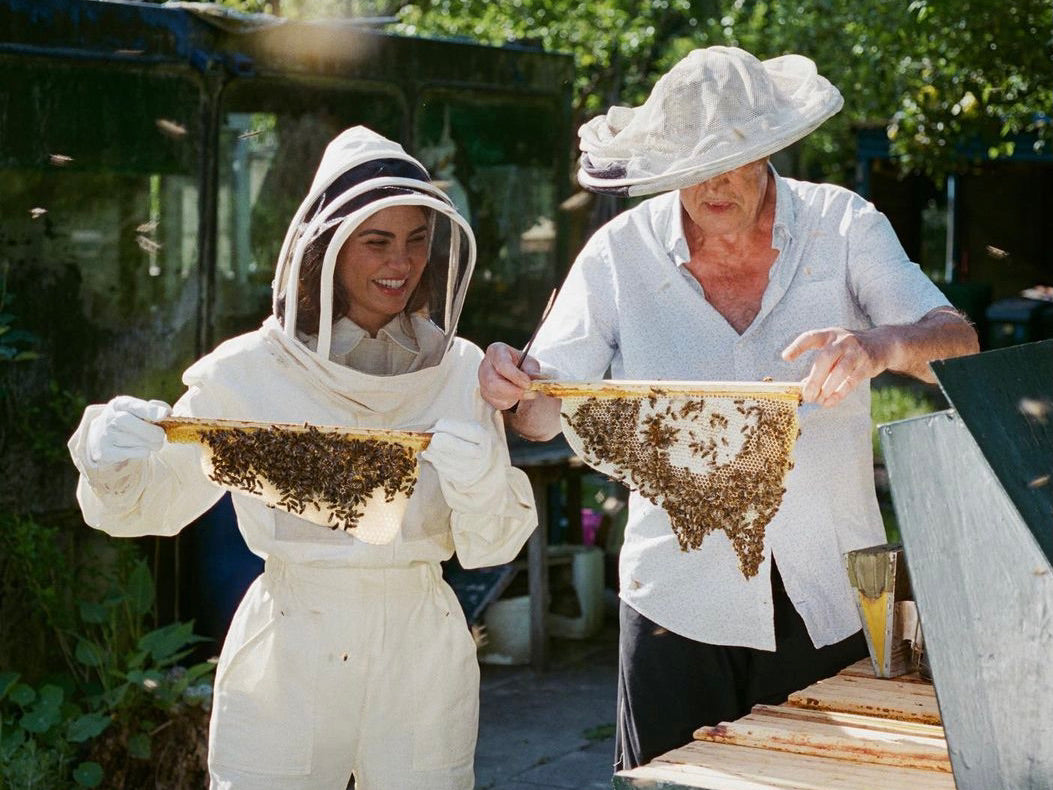
Honey bees are indispensable contributors to agriculture, playing a crucial role in the pollination of many crops. These industrious insects facilitate the reproductive process of flowering plants, leading to fruit and seed development. It is estimated that one-third of the food produced globally relies on pollination services provided by honey bees, making their health and populations vital to food security and agricultural viability.The challenges facing honey bee populations today are multifaceted and have significant implications for agriculture.
Factors such as habitat loss, pesticide exposure, diseases, and climate change have contributed to the alarming decline in bee numbers. This decline not only threatens honey bee colonies but also jeopardizes the crops that depend on them for pollination, potentially leading to reduced yields and increased food prices.
Impact of Honey Bee Health on Ecosystems
Healthy ecosystems and honey bee populations are inextricably linked. The decline of honey bees indicates a broader environmental crisis that impacts biodiversity and ecosystem function. A thriving bee population signifies a robust ecosystem that can support various plant and animal life. Conversely, a decrease in bee populations can lead to diminished plant diversity, affecting the entire food web. Maintaining bee health is essential for ensuring successful crop production, as these pollinators are responsible for the fertilization of many fruits, vegetables, and nuts.
The interdependence between bees and plants illustrates the importance of sustainable agricultural practices that promote ecological health. The following points highlight the key aspects of this relationship:
- Pollination Efficiency: Honey bees are efficient pollinators, capable of visiting thousands of flowers in a single day, which significantly enhances crop yields.
- Biodiversity Support: Healthy bee populations contribute to the genetic diversity of plants, which is essential for resilient ecosystems.
- Economic Value: The economic impact of honey bee pollination is estimated to be worth billions of dollars annually, underscoring their role in agricultural profitability.
- Food Supply Security: The decline of bees can lead to reduced availability of certain crops, threatening food security and access to nutritious options.
“Honey bees are not just vital for honey production; they are fundamental to our food systems and natural ecosystems.”
The intricate relationship between honey bees and healthy ecosystems emphasizes the need for concerted conservation efforts. Implementing practices that support bee populations, such as planting cover crops and reducing pesticide use, can help sustain both bees and the agricultural systems that depend on them.
Types of Cover Crops Beneficial to Honey Bees
Cover crops play a crucial role in supporting honey bee populations by providing essential foraging resources. These crops not only improve soil health but also offer a diverse range of flowering plants that are attractive to bees. The following section details various types of cover crops that are particularly beneficial for honey bees, along with their nutritional advantages and flowering times.
Clover Varieties
Clover is renowned for its high nectar yield and is a favorite among honey bees. Various types of clover, such as red clover (Trifolium pratense) and white clover (Trifolium repens), bloom during different seasons, providing a continual food source.
- Red Clover: Blooms from late spring to early summer, offering abundant nectar and pollen. It thrives in well-drained soils and is excellent for fixing nitrogen in the soil.
- White Clover: Provides flowers from spring through fall. It is low growing and ideal for ground cover, making it perfect for pastures.
Mustard Species
Mustard cover crops are not only beneficial for soil health but also attract a variety of pollinators, including honey bees.
- Yellow Mustard: This crop flowers early in the spring, typically in April and May, providing a vital nectar source at a time when other flowers may not yet be blooming.
- Brown Mustard: Blooms shortly after yellow mustard and offers a rich source of pollen and nectar from late spring to early summer.
Phacelia
Phacelia (Phacelia tanacetifolia) is a cover crop that is particularly attractive to honey bees due to its unique flower structure.
- Flowering Period: Its blooms typically appear in late spring and can last until frost, providing a continuous food source.
- Nutritional Benefits: Phacelia offers both nectar and pollen, which are essential for honey bee health and colony strength.
Buckwheat
Buckwheat (Fagopyrum esculentum) is an excellent cover crop known for its rapid growth and ability to attract pollinators.
- Flowering Time: It begins to flower in about 4–6 weeks after planting, providing flowers from mid-summer to early fall.
- Nutritional Value: Buckwheat flowers produce a high volume of nectar, making it a preferred foraging source for bees, leading to the production of a unique and flavorful honey.
“The diverse range of flowering times among cover crops ensures that honey bees have continuous access to food sources throughout the growing season.”
The selection of appropriate cover crops is essential for enhancing bee foraging opportunities and promoting overall pollinator health. By integrating these crops into agricultural practices, farmers not only contribute to the sustainability of honey bee populations but also enhance the productivity of their own farming systems.
Implementing Cover Crops in Beekeeping Practices
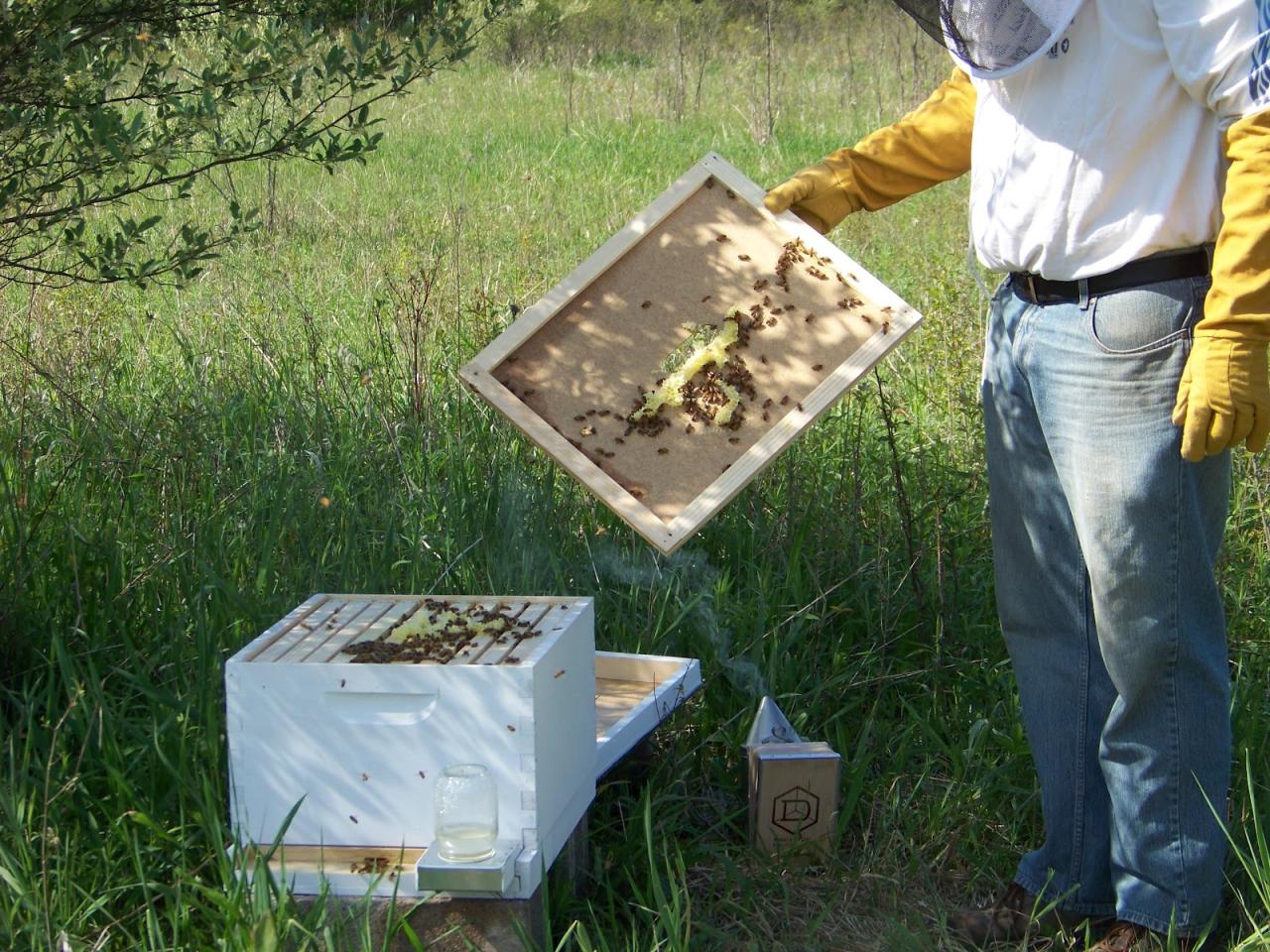
Cover crops play a vital role in sustaining healthy bee populations, enhancing the overall productivity of beekeeping operations. By strategically integrating cover crops into beekeeping practices, beekeepers can provide essential forage for honey bees, promote soil health, and improve biodiversity in agricultural landscapes. Implementing cover crops requires a systematic approach, ensuring that the timing and care align with bee activity and flowering times to maximize benefits.The following guide Artikels the steps necessary for beekeepers to effectively plant and maintain cover crops, ensuring a thriving environment for honey bees.
Understanding the seasonal dynamics of bee activity is crucial for the successful establishment of cover crops, as it directly impacts pollination and honey production.
Step-by-Step Guide to Planting Cover Crops
To successfully integrate cover crops into your beekeeping practices, follow this structured approach:
1. Select Appropriate Cover Crops
Choose cover crops that are known to attract honey bees, such as clover, vetch, or buckwheat. These plants will provide a continuous source of nectar and pollen.
2. Prepare the Soil
Before planting, ensure the soil is well-aerated and free from weeds. This may involve tilling or using a no-till method to preserve soil structure.
3. Determine Planting Timing
Align planting times with the local climate and flowering seasons. For instance, cool-season crops should be planted in early spring or fall, while warm-season crops are best planted after the last frost.
4. Planting Technique
Use a seed drill for uniform distribution or broadcast the seeds followed by light raking to ensure good seed-to-soil contact.
5. Monitor Growth
Regularly check the cover crops for pests and diseases. Early intervention is crucial to maintain healthy plants.
Planting Schedule Aligned with Bee Activity
A well-structured planting schedule is essential to optimize the availability of forage for honey bees. The following schedule Artikels key periods for planting various cover crops:
Early Spring (March-April)
Plant clover and vetch to provide early forage for bees emerging from winter clusters.
Late Spring (May)
Introduce buckwheat as it blooms quickly, offering abundant nectar and pollen during the active foraging season.
Summer (June-July)
Depending on local conditions, plant sunflowers or sorghum. These crops not only attract bees but also improve soil health.
Fall (August-September)
Establish winter rye or cover crops that can survive cooler temperatures, ensuring food availability before winter.This schedule ensures that as bee populations grow, there is a continuous supply of forage throughout the seasons.
Maintaining Cover Crops for Optimal Bee Health
Maintaining healthy cover crops is vital for ensuring they provide the intended benefits for honey bees. Here are essential maintenance practices to consider:
Irrigation Management
Regularly assess soil moisture levels and provide irrigation during dry spells to ensure robust cover crop growth.
Nutrient Management
Conduct soil tests to determine nutrient needs; apply organic amendments such as compost to support healthy plant growth.
Pest and Disease Control
Monitor for insect pests and diseases that may affect cover crops. Employ integrated pest management (IPM) strategies, such as introducing beneficial insects.
Timing of Mowing
Delay mowing until after major bee foraging periods to maximize pollen and nectar availability. If mowing is necessary, leave some flowers standing to support bee populations.
Crop Rotation
Implement crop rotation to prevent soil nutrient depletion and reduce weed pressure, promoting a diverse ecosystem that benefits both bees and the overall farm.By adhering to these practices, beekeepers can create a sustainable environment that not only supports honey bee health but also enhances the productivity of their beekeeping operations.
Case Studies and Success Stories
The use of cover crops in beekeeping has garnered considerable attention due to the positive impact observed on honey bee populations and overall agricultural productivity. Through various case studies and testimonials from beekeepers, it has been demonstrated that integrating cover crops into agricultural practices not only enhances bee health but also contributes to sustainable farming. Below are examples illustrating effective implementations and their outcomes in real-world scenarios.
Successful Beekeeping Practices with Cover Crops
Several beekeepers have shared their experiences of adopting cover crops, highlighting significant improvements in bee populations and hive productivity. One notable case is that of a beekeeper in California who planted clover as a cover crop between rows of almond trees. This practice provided a continuous source of nectar during the almond bloom, resulting in a 30% increase in honey production compared to previous years when no cover crops were utilized.Additionally, research conducted by the Xerces Society for Invertebrate Conservation revealed that farms employing cover crops had a 50% greater abundance of wild bees.
The diversity of flowering plants available throughout the growing season supports not only honey bees but also the entire pollinator community, which is crucial for agricultural sustainability.
Research Findings on Bee Health and Productivity
Various studies underscore the correlation between cover crops and improved bee health. Research published in the journal “Apidologie” established that honey bees foraging on diverse cover crops exhibited lower stress levels and higher rates of brood production. The presence of multiple flowering species resulted in a balanced diet for the bees, which is essential for their immune system and resilience against pathogens.
Studies suggest that the use of flowering cover crops can significantly reduce the incidence of diseases within bee colonies. For instance, a longitudinal study in Oregon documented a 40% reduction in Varroa mite infestations in hives located near fields with flowering buckwheat cover crops. This highlights the importance of biodiversity in promoting healthy bee populations.
Testimonials from Beekeepers and Farmers
Numerous testimonials from farmers and beekeepers provide anecdotal evidence of the benefits associated with cover crops. A beekeeper from Michigan noted, “Since incorporating cover crops into our rotations, we have noticed not only healthier bees but also a marked increase in honey yield. The bees seem happier and more active, which has positively impacted our overall farm productivity.”Similarly, a farmer in Iowa shared, “Implementing cover crops has transformed our farm.
The increased variety of plants has attracted more pollinators, and our fruit trees are flourishing as a result. Our honey production has reached new heights, and we have a thriving ecosystem.”These case studies and testimonials illustrate the tangible benefits of using cover crops to support honey bee populations, ultimately enhancing agricultural productivity and sustainability.
Challenges and Considerations
The integration of cover crops into beekeeping practices presents several challenges and considerations that need to be understood and addressed. While cover crops can significantly benefit honey bees by providing additional forage, there are potential obstacles that beekeepers must navigate to maximize these advantages.
Potential Challenges in Using Cover Crops for Honey Bees
The adoption of cover crops often encounters specific challenges that can affect their effectiveness in supporting honey bee populations. These challenges include:
- Seasonal Timing: The flowering periods of cover crops may not align perfectly with the foraging needs of honey bees. For instance, if cover crops are planted too late or too early, they may not provide a reliable food source when honey bees require it the most.
- Pest and Disease Management: Cover crops can attract unwanted pests or diseases that may adversely affect both the crops and the bees. Effective management strategies must be employed to mitigate these risks.
- Competition for Resources: In some instances, cover crops may compete with other flowering plants in the environment, potentially limiting the availability of diverse forage options for honey bees.
- Cost and Labor Investment: The initial investment in planting and maintaining cover crops can be significant. Beekeepers must carefully consider the time and resources required to manage these crops effectively.
Selecting the Right Cover Crops Based on Local Climate and Soil Type
Choosing appropriate cover crops is crucial to ensuring their success and the benefits they provide to honey bees. The selection process should take into account local climatic conditions and soil characteristics. The following factors are vital in making informed decisions:
- Climate Adaptability: It is essential to select cover crops that thrive in the specific climatic conditions of the region. For example, legumes like crimson clover may flourish in temperate climates, while buckwheat is well-suited for warmer areas.
- Soil Health: Understanding soil type and health can guide the selection of cover crops that improve soil fertility and structure. Deep-rooted species can enhance soil aeration, while nitrogen-fixing plants can enrich nutrient levels.
- Pollinator Preferences: Selecting cover crops that are highly attractive to honey bees can maximize their foraging opportunities. Research indicates that specific flowering plants enhance bee activity and colony health.
Economic Considerations and Long-term Benefits of Cover Cropping for Beekeepers
The economic implications of adopting cover crops are an essential consideration for beekeepers. While upfront costs may be significant, the long-term benefits can outweigh these initial investments.Key economic benefits include:
- Increased Honey Production: The presence of diverse forage from cover crops can lead to higher honey yields. Beekeepers may experience improved colony health and productivity due to enhanced nutrition.
- Soil Improvement: Cover crops contribute to soil fertility and health, reducing the need for chemical fertilizers and lowering long-term agricultural costs.
- Enhanced Pollination Services: By fostering a healthy bee population, beekeepers can improve the pollination of surrounding crops, potentially increasing yields for both themselves and neighboring farmers.
- Environmental Sustainability: Cover cropping practices contribute to ecosystem health, promoting biodiversity and sustainability, which can enhance the reputation and resilience of beekeeping operations.
Future of Cover Crops and Beekeeping
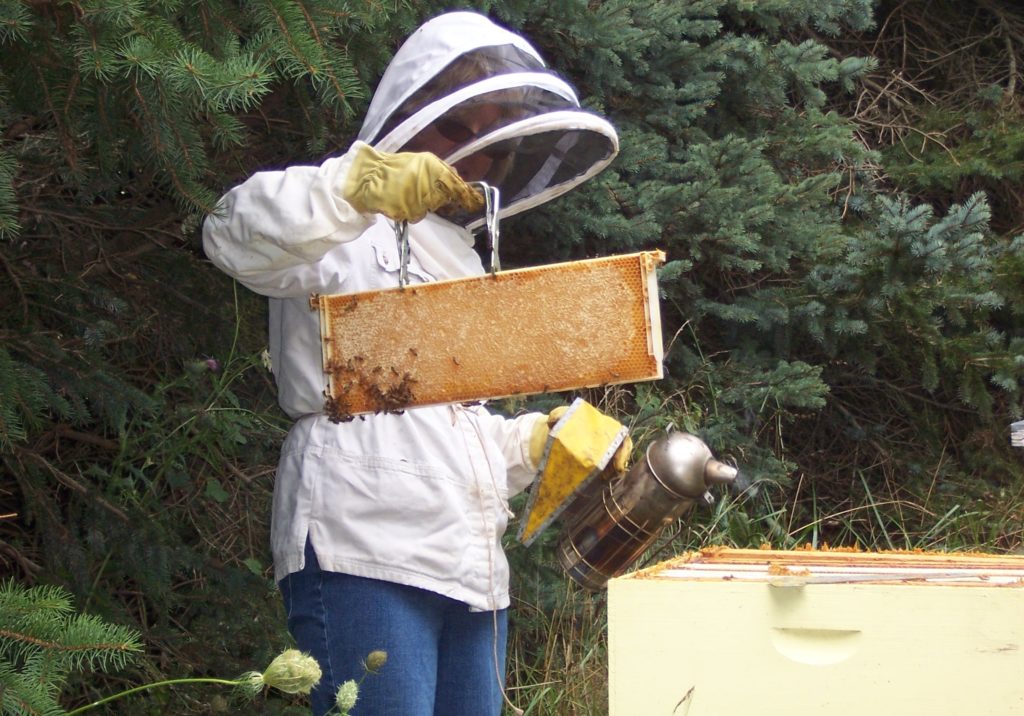
The future of cover crops and beekeeping is poised at a critical juncture, where sustainable agricultural practices are increasingly intertwined with the health and vitality of pollinator populations. As the pressing need for environmental stewardship grows, the integration of cover crops into beekeeping presents a promising avenue to enhance food security and biodiversity. This section explores emerging trends in sustainable agriculture, ongoing research regarding cover crops and pollinator health, and a vision for the intersection of these two vital practices.
Emerging Trends in Sustainable Agriculture
Sustainable agriculture is witnessing a paradigm shift that emphasizes ecological balance and the promotion of biodiversity. Key trends impacting honey bees and cover crops include the following:
- Regenerative Farming: This approach focuses on restoring soil health and enhancing ecosystem services. Practices like cover cropping improve soil structure, which in turn supports diverse flora for honey bees.
- Integrated Pest Management (IPM): By incorporating cover crops, farmers can reduce reliance on chemical pesticides, ultimately benefiting pollinator health and reducing toxic exposure to honey bees.
- Agroecology: This holistic framework promotes sustainable land management practices that boost biodiversity. The use of cover crops as green manure enriches soil while providing forage for bees.
The intersection of these trends not only fosters a healthier environment for bees but also amplifies agricultural productivity through improved ecosystem functions.
Ongoing Research Related to Cover Crops and Pollinator Health
Current research initiatives are focusing on the relationship between cover crops and pollinator well-being. Studies have identified various aspects that illustrate the benefits of integrating cover crops in agricultural settings. Key findings include:
- Nectar and Pollen Availability: Research shows that certain cover crops, such as clover and buckwheat, can significantly enhance nectar and pollen availability, facilitating better nutrition for honey bees.
- Habitat Diversity: Studies indicate that the presence of diverse cover crops can attract a wider variety of pollinators, which helps to stabilize bee populations and supports their resilience against environmental stressors.
- Soil Health and Pollinator Performance: Recent findings suggest a positive correlation between improved soil health through cover cropping and enhanced reproductive success in honey bee colonies, indicating that soil quality directly influences honey bee vitality.
Ongoing research continues to explore innovative ways to harmonize agricultural practices with the needs of pollinators, emphasizing the significance of cover crops.
Vision for the Future Intersection of Cover Cropping and Beekeeping Practices
Looking forward, the integration of cover cropping and beekeeping is expected to evolve into a more symbiotic relationship. This vision includes several pivotal aspects:
- Policy Support: Envisioning a future where agricultural policies incentivize the use of cover crops as a means to protect pollinator health will play a crucial role in promoting these practices among farmers.
- Education and Training: Increasing awareness and training programs will be essential in guiding beekeepers and farmers on best practices for implementing cover crops to boost pollinator health.
- Collaboration between Stakeholders: A collaborative approach involving farmers, beekeepers, researchers, and policymakers will foster innovative strategies to create pollinator-friendly agricultural landscapes.
This vision underscores the importance of creating a robust framework where beekeeping and cover cropping coexist, ultimately leading to sustainable agricultural systems that benefit both humans and the environment.
Outcome Summary
In summary, the integration of cover crops into beekeeping practices presents a unique opportunity to enhance the health and productivity of honey bees while promoting sustainable agriculture. As we have seen through various case studies and testimonials, these practices not only benefit the bees but also contribute positively to the ecosystem. Looking forward, the future of cover crops and beekeeping is promising, as continued research and innovation will undoubtedly yield further insights into how we can better support these crucial pollinators.